Local search changes fast. Every year brings new rules, new trends, and new consumer behavior.
So you need strong Local SEO strategies if you want steady visibility in 2026. Local customers move quickly.
They search on mobile. They scan results within seconds. They choose a business that loads fast, shows real value, and builds trust right away.
Because of this, your Local SEO approach must be sharp, simple, and consistent. You cannot rely on old tactics.
You cannot hope that Google understands your brand on its own. You need a clear roadmap that strengthens every ranking signal.
This guide breaks down the most effective Local SEO strategies for 2026. Each step improves your search presence, builds credibility, and drives more local customers to your business.
The methods remain practical. The approach stays simple. You can use every technique even if you run a small business with limited resources.
Let’s go through each strategy and build a complete Local SEO plan for the new year.
Why Local SEO Matters More in 2026?
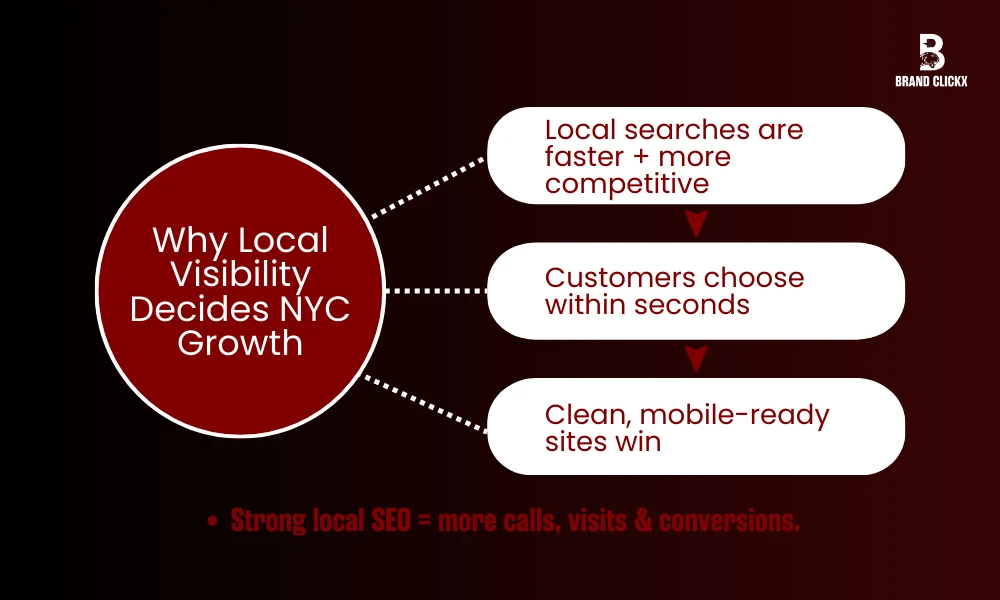
Customers want quick answers. They search with clear intent. They want businesses that feel reliable. They want results that load fast, look clean, and give instant clarity. Strong Local SEO strategies help you meet those expectations.
Search engines also update their local ranking systems frequently, with Google placing strong emphasis on overall experience. It rewards websites that load quickly, perform well on mobile devices, use structured data correctly, and follow clean navigation paths, as outlined in Google’s ranking systems guide.
So you cannot afford a slow site or a confusing layout. Speed influences ranking. Mobile experience influences trust.
Because of this, local optimization becomes a core part of business growth in 2026. You need more visibility. You need more clicks. You need better conversions. And you get all of this when you follow targeted Local SEO strategies.
Strategy 1: Focus on Site Speed Optimization
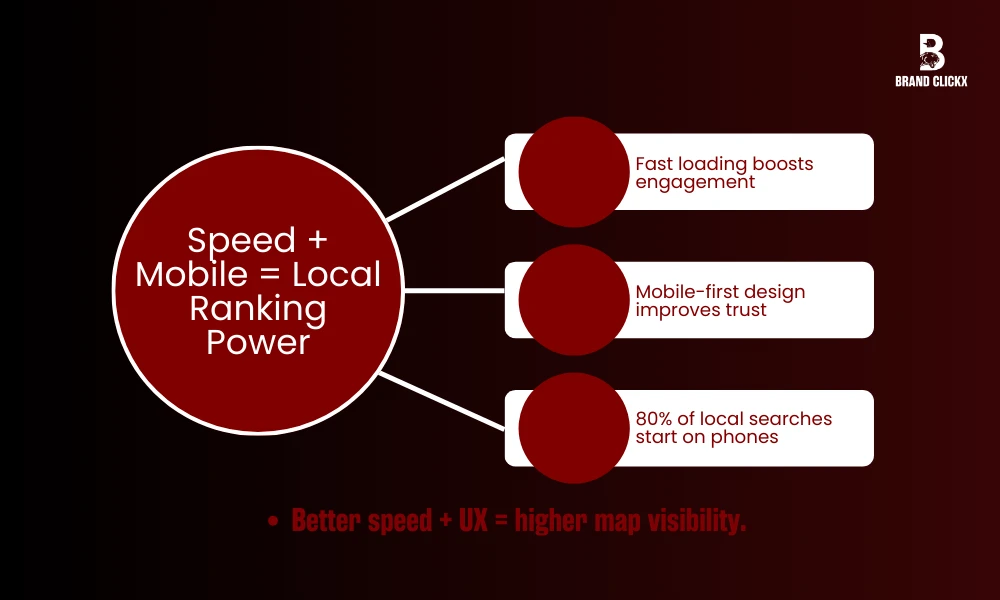
Speed shapes user behavior. A slow site loses trust instantly. People leave quickly and choose a competitor. So site speed optimization sits at the heart of modern Local SEO.
Start with simple steps. Compress your images using proven image SEO best practices. Remove extra plugins. Minify scripts. Switch to a CDN. Clean up unused code. Every millisecond counts.
Search engines also depend on fast loading times to crawl your content. Faster sites rank better. Faster sites keep users longer. Faster sites convert more customers.
So improve your speed before anything else. This one step strengthens every other Local SEO effort you make.
Strategy 2: Strengthen Mobile Responsiveness
Most local searches happen on phones. People search while driving, shopping, or walking.
They want quick information. They want smooth layouts. They want buttons they can tap easily. Because of this, mobile responsiveness becomes essential.
Test your site on several phones. Fix spacing issues. Improve font clarity. Keep menus simple. Use clean buttons. Remove anything that slows the mobile view.
Search engines track these signals. They promote websites that deliver strong user experience. So your mobile layout influences your rankings. Your business survival depends on it.
Smooth mobile design also increases conversions. More customers call you, message you, or visit your location when the site feels simple and clear.
Strategy 3: Improve Crawlability and Structure
Google needs easy navigation. So your website must guide crawlers smoothly.
This requires clean structure, simple categories, strong internal links, and updated files that point crawlers in the right direction.
Better crawlability improves your ranking. Search engines access more pages. They understand your content. They index your services. They recognize the areas you serve.
Focus on short URLs. Add keywords in your slugs. Improve your internal linking. Create clear menus. Remove dead pages. Update redirects.
Every small fix improves your entire Local SEO framework.
Strategy 4: Optimize Your XML Sitemaps
Your XML sitemaps give search engines a clean map of your website.
They guide crawlers to your most important pages. They help Google understand your structure and update your indexed pages.
Keep your sitemaps simple. Remove outdated pages. Add category pages. Include new service pages. Submit your sitemap in Google Search Console.
This ensures that Google sees every important page on time. It also helps your new content rank faster.
Combined with strong Local SEO strategies, this step delivers clear visibility improvements.
Strategy 5: Use Schema Markup for Local Signals
Structured data improves your search results. It tells Google more about your business. It highlights key information inside your code.
Add schema markup for your address, phone number, hours, reviews, and services. This helps Google place you correctly in local results. It also supports rich result features that stand out in SERPs.
Schema markup increases trust. It increases click through rates. It also boosts your ability to outrank competitors in crowded markets.
Strategy 6: Optimize Google Business Profile
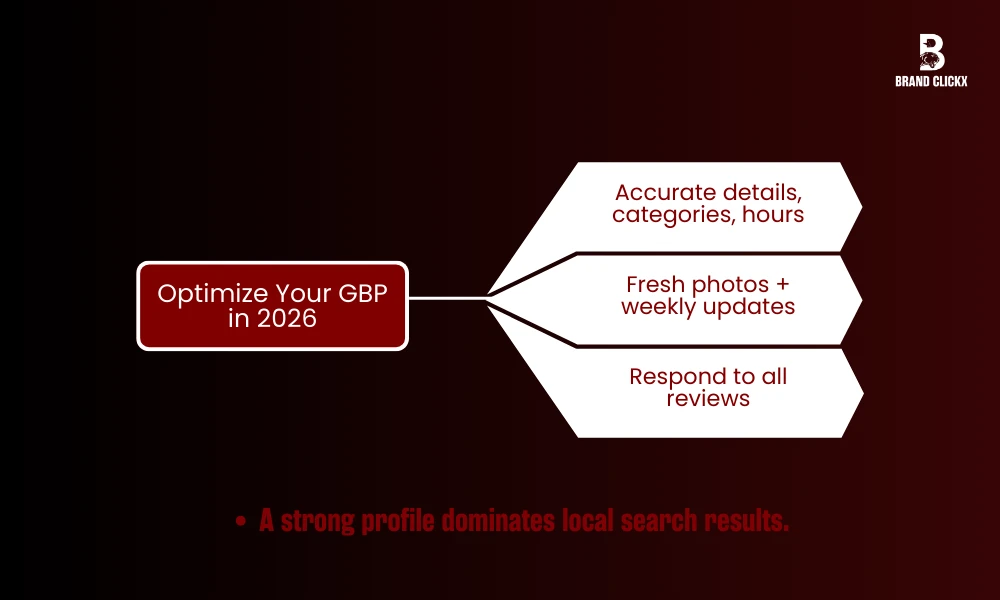
Your Google Business Profile acts as your main local tool. Your customers rely on it more than your website. So you must optimize it completely.
Add accurate information. Add fresh photos. Update hours. Write clear descriptions. Choose the correct categories. Answer questions. Post updates often. Encourage reviews. Respond to every review.
These actions strengthen your local signals. They boost engagement. They also push your listing higher in map results. Every update increases your chances of showing up for high intent searches.
Strategy 7: Strengthen Local Content
Local users want targeted content. They search for businesses, services, and answers that relate to their specific location. So local content becomes essential for strong Local SEO strategies.
Write local guides. Create service area pages. Publish city specific posts. Answer common community questions. Highlight local events. Mention nearby landmarks.
These steps help Google understand where you operate. They also build trust with people who search within your region.
Strategy 8: Build Local Citations and NAP Consistency
Your business information must match across all directories. If your name, address, or phone number differ anywhere, Google loses trust. So maintain NAP consistency.
Update listings on major directories. Fix old numbers. Correct old addresses. Delete duplicate profiles. Add missing profiles. Keep everything identical.
This boosts your authority. It also strengthens your entire Local SEO footprint.
Strategy 9: Earn Local Backlinks
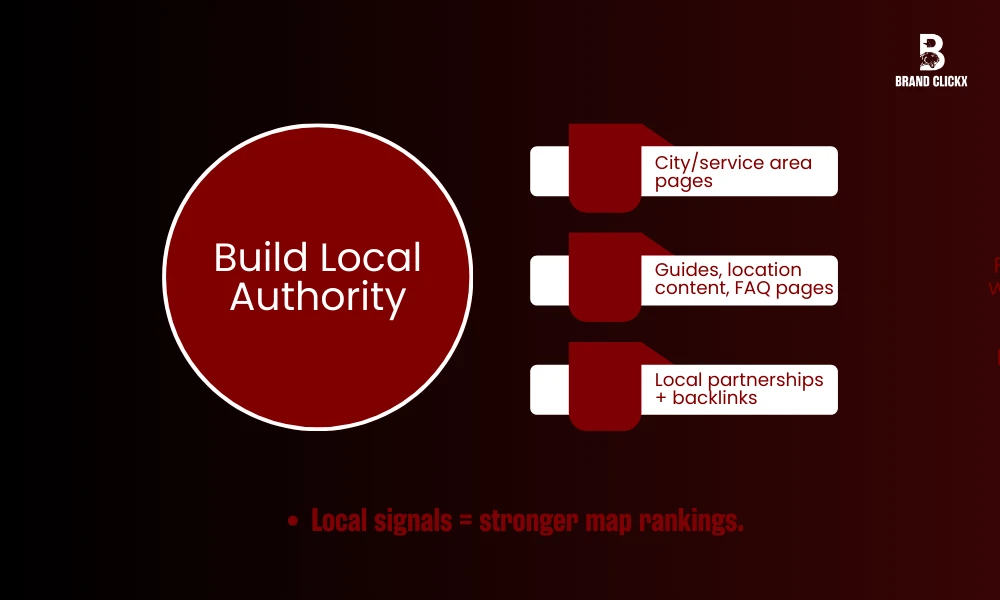
Backlinks from local websites improve trust. They show real community relevance. So build a simple backlink strategy.
Partner with local bloggers. Join local events. Sponsor small community programs. Write guest posts on local news sites. Build relationships with nearby businesses.
These links increase authority and help you rank faster for local keywords.
Strategy 10: Encourage and Manage Reviews
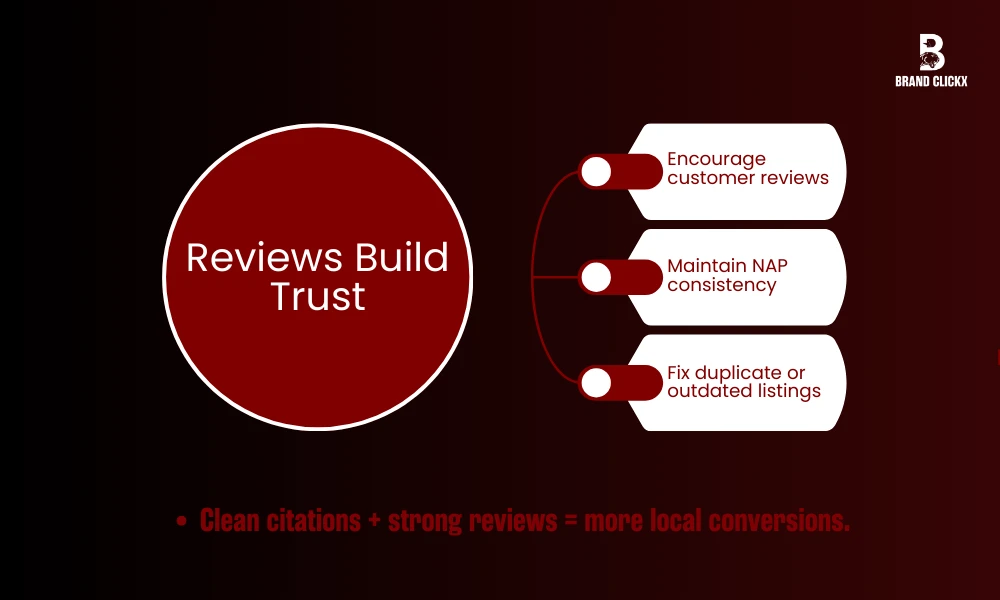
Reviews shape decisions. People trust businesses with strong feedback. So encourage your customers to leave honest reviews.
Send follow up messages. Provide direct links. Thank every reviewer. Handle negative reviews politely. Show real care.
Review activity influences ranking. Strong reviews help you outrank bigger competitors with weak feedback.
Strategy 11: Strengthen On Page Optimization
Each local page must send strong signals. So optimize your headings, URLs, descriptions, metadata, and content. Use keywords naturally. Add location names. Keep your sentences short. Make your purpose clear.
This supports both ranking and user experience.
Strategy 12: Improve Visual Elements for Local Users
Local searchers prefer quick visuals. Add product images. Add service photos. Add images that show your storefront. Add visuals of your team.
This builds trust. It also boosts engagement on mobile, where people love quick visual cues.
Strategy 13: Add Clear Calls To Action
Local customers want direct actions. So add strong CTAs on every page. Encourage calls. Encourage messages. Encourage visits.
Simple CTAs lead to simple conversions. This increases revenue and strengthens your brand presence.
Strategy 14: Track Local SEO Metrics
You need data to grow. Track your local clicks, impressions, ranking movements, phone call volume, website visits, and engagement.
Use Google Search Console. Use Google Analytics. Use your Google Business Profile insights. These tools guide your next steps and reveal new opportunities.
Strategy 15: Review and Improve Regularly
Local SEO changes often. Trends come and go. So refine your work regularly. Update content. Improve speed again. Fix new layout issues. Add new reviews. Watch competitors.
This keeps your Local SEO strategy strong throughout 2026 and beyond.
Final Thoughts
Local search grows more competitive every year. But you can stay ahead with strong Local SEO strategies that improve speed, clarity, visibility, and trust.
When you optimize site speed, boost mobile performance, improve crawlability, add schema markup, and maintain your XML sitemaps, your website becomes stronger from the inside out.
And when you support this with great content, consistent citations, quality backlinks, and strong reviews, you control your position in local search.
Master these strategies now and your business will dominate local results throughout 2026.
FAQs
1. Why do Local SEO strategies matter in 2026?
Local SEO strategies matter because customers search faster and choose quicker. People want accurate local results. They want strong mobile pages. They want businesses that load fast and answer their needs right away. Good Local SEO gives your brand a clear advantage.
2. How does site speed optimization improve my local ranking?
Site speed optimization keeps users on your site longer. Fast pages increase engagement. Search engines notice this behavior. They reward sites that deliver smoother experiences. So better speed improves visibility and conversions.
3. Should I focus more on mobile responsiveness?
Yes. Most local searches start on phones. Users want clean layouts and fast navigation. Mobile responsiveness helps you meet those needs. It also boosts your rankings in local results.