Key Takeaways
- How to Unclog a Kitchen Sink: Quick Fixes for Grease, Food Scraps, Soap Buildup, and More (2026 Guide).
- Start with simple methods like hot water, dish soap, or baking soda and vinegar.
- A plunger or drain snake can clear more stubborn blockages.
- Cleaning the P-trap often solves deeper clogs.
- Avoid pouring grease, coffee grounds, and starchy foods down the drain.
- Regular maintenance helps prevent recurring problems.
- Call a plumber if multiple drains clog, sewage odors appear, or DIY methods fail.
Quick Answer
If your kitchen sink is clogged, start with the easiest solution first. Remove any standing water, pour boiling water into the drain if your pipes are metal, or use hot water mixed with dish soap to break down grease. If the clog remains, try baking soda and vinegar followed by hot water, then use a sink plunger to loosen the blockage.
For stubborn clogs that do not clear after several attempts, inspect the drain trap or contact a licensed plumber to prevent damage to your plumbing system.
Why Kitchen Sinks Get Clogged
Kitchen sinks handle far more than water. Every day, tiny food particles, grease, cooking oil, soap, and other debris travel through the drain. Over time, these materials stick to the inside of the pipe and gradually reduce water flow.
The most common causes include:
| Cause | Why It Clogs the Sink |
|---|---|
| Cooking grease | Hardens inside pipes after cooling |
| Food scraps | Collect and trap other debris |
| Coffee grounds | Settle at the bottom instead of dissolving |
| Soap residue | Combines with minerals to form buildup |
| Rice and pasta | Expand after absorbing water |
| Eggshells | Break into small pieces that collect in bends |
| Foreign objects | Block the drain completely |
Many people think running hot water after cooking grease is enough. Unfortunately, grease often cools farther down the pipe, creating a sticky layer that catches everything passing through.
Signs Your Kitchen Sink Is Clogged
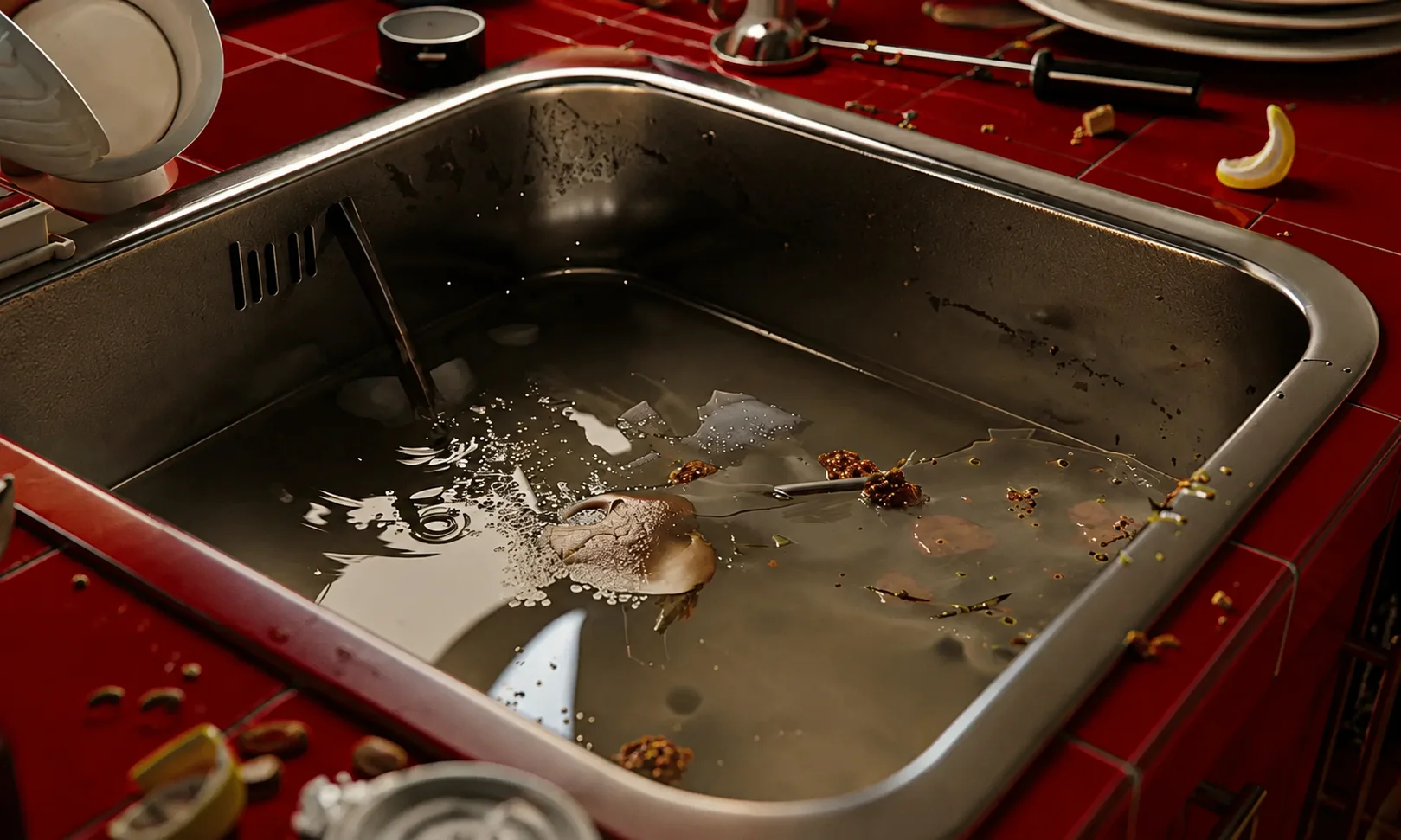
Most sink clogs develop slowly rather than all at once. Catching the warning signs early makes the blockage much easier to remove.
Watch for these common symptoms:
- Water drains slowly.
- Water pools around the drain.
- Bubbling or gurgling sounds.
- Bad smells coming from the sink.
- Water backs up into the second basin.
- The garbage disposal drains slowly.
- Frequent minor blockages.
Ignoring these signs can eventually lead to a complete blockage.
Before You Start
Before trying any unclogging method, take a few simple safety steps.
Check Your Pipe Type
Boiling water works well with metal pipes. However, PVC pipes can soften if exposed to extremely hot water. Use hot tap water instead if you’re unsure.
Avoid Mixing Chemicals
If you’ve already poured a chemical drain cleaner into the sink, do not add vinegar, bleach, or other cleaning products. Mixing chemicals can create dangerous fumes.
Gather Basic Supplies
You may need:
| Tool | Purpose |
|---|---|
| Rubber gloves | Protect your hands |
| Bucket | Catch water if needed |
| Dish soap | Break down grease |
| Baking soda | Loosen buildup |
| White vinegar | React with baking soda |
| Kettle | Heat water |
| Sink plunger | Remove stubborn clogs |
| Flashlight | Inspect the drain |
Having everything ready makes the process faster and cleaner.
Quick Comparison of Kitchen Sink Unclogging Methods
| Method | Best For | Difficulty | Cost |
|---|---|---|---|
| Boiling water | Grease buildup | Very Easy | Low |
| Dish soap + hot water | Fresh grease clogs | Easy | Low |
| Baking soda + vinegar | Mild organic buildup | Easy | Low |
| Plunger | Moderate blockages | Easy | Low |
| Cleaning sink strainer | Food debris | Very Easy | Free |
Starting with the least aggressive method helps protect your plumbing while often solving the problem quickly.
Method 1: Remove Standing Water
If water is sitting in the sink, remove as much as possible before treating the clog.
Use a small container or cup to scoop water into a bucket. Finish by soaking up the remaining water with a sponge or towel.
This allows hot water or cleaning solutions to reach the blockage instead of becoming diluted.
When It Works Best
- Minor blockages
- Grease buildup
- Before using any other unclogging method
Method 2: Pour Boiling Water
One of the easiest solutions is also one of the most effective.
Heat a kettle of water until it reaches a full boil. Slowly pour part of the water into the drain, wait about 20 to 30 seconds, then pour the remaining water.
The heat helps soften grease and soap residue that may be sticking to the inside of the pipe.
Best For
- Grease
- Soap buildup
- Fresh clogs
Avoid This Method If
- Your sink has PVC plumbing that may be damaged by boiling water.
- The sink contains standing water that prevents hot water from reaching the clog.
- You’ve recently used chemical drain cleaners.
Method 3: Dish Soap and Hot Water
Grease is one of the biggest reasons kitchen sinks become clogged. Dish soap is designed to cut through grease, making this method surprisingly effective.
Steps
- Pour a generous amount of liquid dish soap into the drain.
- Wait five to ten minutes.
- Slowly add hot water.
- Run warm water from the faucet to test drainage.
The soap helps loosen greasy deposits while the hot water carries them through the pipe.
Works Best For
- Cooking oil
- Butter
- Animal fat
- Greasy food residue
Method 4: Baking Soda and Vinegar
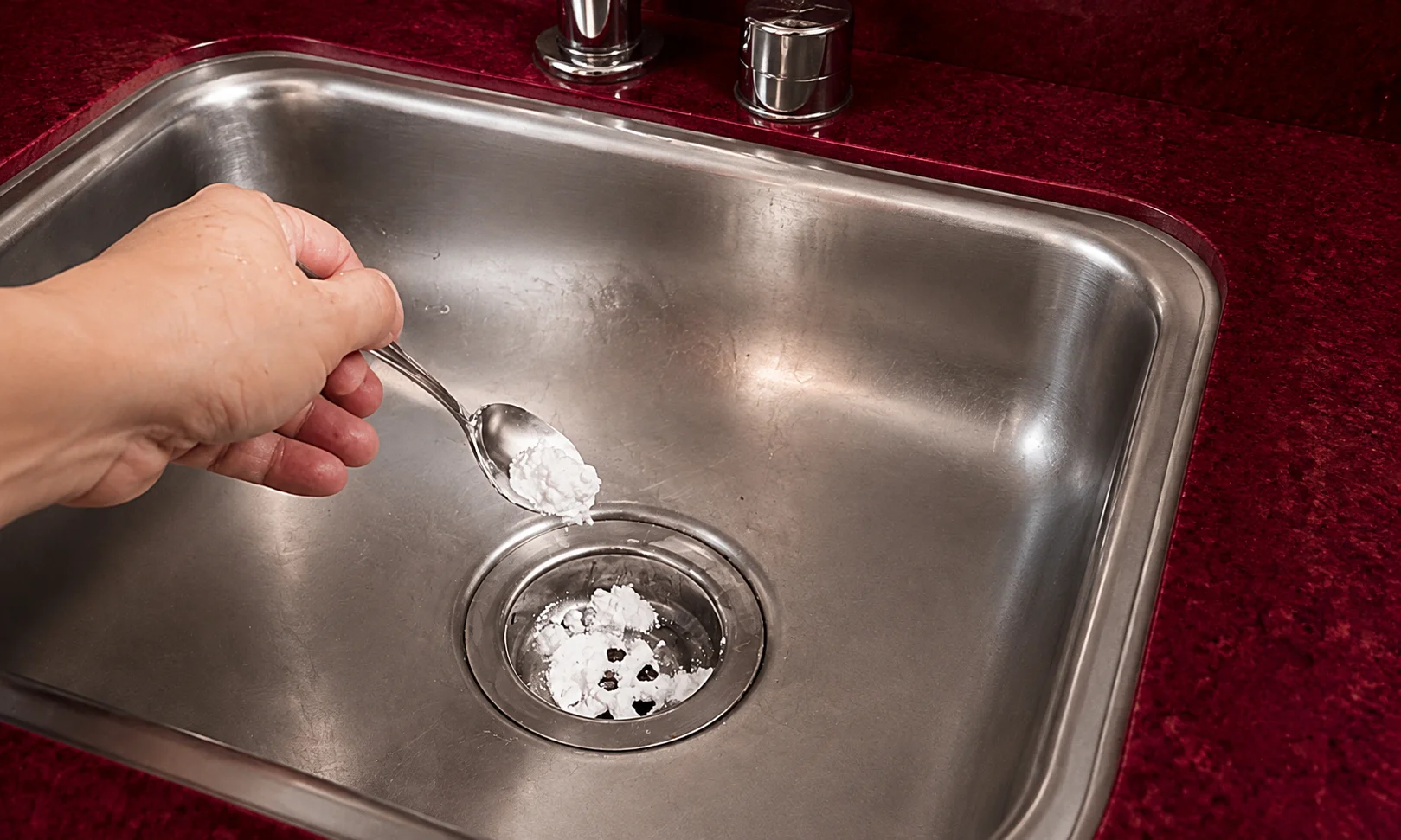
This classic home remedy works well for mild clogs caused by organic buildup.
Steps
- Pour half a cup of baking soda into the drain.
- Add one cup of white vinegar.
- Cover the drain with a plug or cloth.
- Wait about 15 minutes.
- Flush with hot water.
The bubbling action helps loosen debris attached to the inside of the pipe.
Best For
- Mild food buildup
- Bad odors
- Soap residue
Although this method is popular, it may not remove severe blockages caused by solid objects or thick grease deposits.
Method 5: Use a Sink Plunger
If the clog remains, a sink plunger often provides enough pressure to loosen it.
How to Use It
- Fill the sink with enough water to cover the rubber cup.
- Place the plunger directly over the drain.
- Push down firmly and pull up several times.
- Repeat for about 20 seconds.
- Remove the plunger and test the drain.
If you have a double kitchen sink, cover the second drain with a wet cloth to create a better seal.
This simple technique often clears blockages without taking apart any plumbing.
Method 6: Clean the Sink Strainer
Sometimes the clog isn’t deep inside the pipe. Instead, it’s trapped in the sink strainer.
Remove the strainer carefully and clear away any trapped food, grease, or debris. Rinse it thoroughly before placing it back into the drain.
Many slow-draining sinks return to normal after this quick cleaning because the blockage is sitting right at the drain opening.
Method 7: Clean the P-Trap
If the clog is still there, it may be trapped inside the P-trap, the curved pipe beneath your sink. Food scraps, grease, and small objects often collect here.
What You’ll Need
- Bucket
- Adjustable wrench or slip-joint pliers
- Rubber gloves
- Old towel
Steps
- Place the bucket under the P-trap.
- Loosen the slip nuts on both ends.
- Remove the trap carefully and let the water drain into the bucket.
- Clean out any debris inside the pipe.
- Rinse the trap with warm water.
- Reattach it securely and test the sink.
If the sink drains normally afterward, the blockage was inside the P-trap.
Method 8: Use a Drain Snake
When the clog is farther down the pipe, a drain snake can reach places that hot water or a plunger cannot.
How to Use It
- Insert the drain snake into the drain opening.
- Rotate the handle while pushing it forward.
- When you feel resistance, continue turning to break through or hook the clog.
- Slowly pull the snake back out.
- Flush the drain with hot water.
A manual drain snake is inexpensive and can remove hair, food buildup, and other stubborn debris without damaging most household plumbing.
Method 9: Check the Garbage Disposal
If your kitchen sink has a garbage disposal, it could be causing the blockage.
Before touching the disposal, always switch off the power at the wall or circuit breaker.
What to Check
- Look for trapped food around the splash guard.
- Press the reset button if the disposal has stopped working.
- Use the disposal wrench supplied by the manufacturer to manually turn the motor if it is jammed.
Never place your hand inside the disposal, even when the power is off.
DIY Methods vs Chemical Drain Cleaners
Many store-bought drain cleaners promise quick results, but they are not always the best choice.
| Method | Pros | Cons |
|---|---|---|
| Boiling water | Free and simple | Not suitable for some PVC pipes |
| Baking soda and vinegar | Safe for most drains | Less effective on severe clogs |
| Plunger | Fast and reusable | Requires a proper seal |
| Drain snake | Reaches deep clogs | Takes more effort |
| Chemical cleaner | May dissolve some blockages | Can damage pipes and create safety risks if overused |
Whenever possible, start with mechanical or natural methods before using harsh chemicals.
When Should You Call a Plumber?
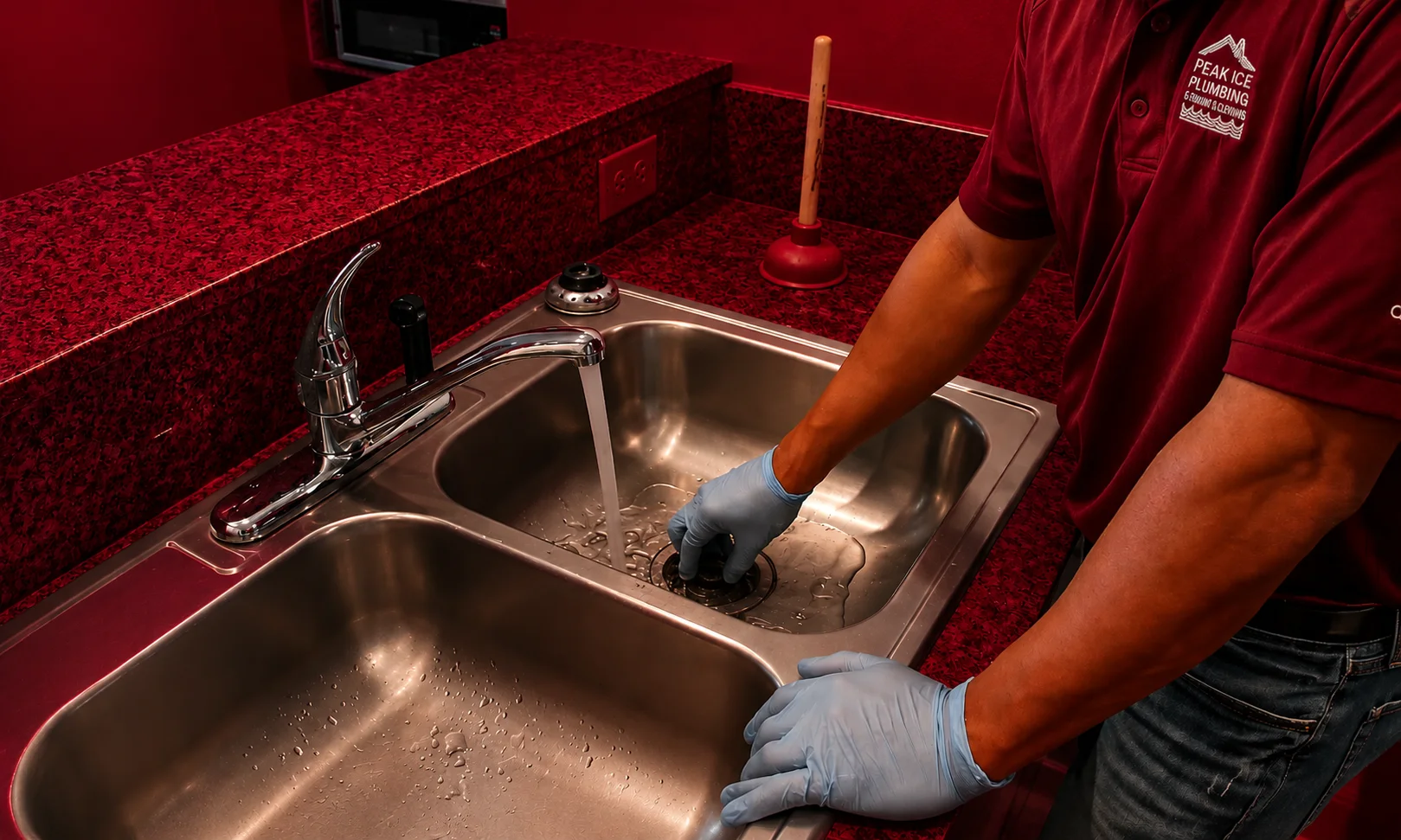
Some clogs cannot be fixed with DIY methods. Continuing to force the blockage may cause leaks or pipe damage.
Consider calling a plumber if:
- Water backs up repeatedly.
- Multiple drains in your home are clogged.
- You smell sewage.
- Water leaks beneath the sink.
- The clog returns after several cleaning attempts.
- None of the methods above improve drainage.
Professional plumbers have inspection cameras and specialized equipment that can identify deeper plumbing problems.
Common Mistakes to Avoid
Avoiding these mistakes can save you time and prevent costly repairs.
Pouring Grease Down the Drain
Grease may look like a liquid, but it hardens as it cools and sticks to pipe walls.
Overusing Chemical Drain Cleaners
Frequent use can weaken certain pipes and make future repairs more difficult.
Ignoring Slow Drainage
A slow drain is often the first warning sign. Addressing it early is much easier than dealing with a complete blockage.
Putting the Wrong Items in the Sink
Avoid washing these items down your drain:
- Coffee grounds
- Eggshells
- Rice
- Pasta
- Flour
- Cooking oil
- Fibrous vegetable peels
Using Too Much Force
Aggressive plunging or forcing a drain snake can loosen fittings or damage older plumbing.
Expert Tips to Keep Your Kitchen Sink Clear
Small habits can make a big difference.
- Scrape food into the trash before washing dishes.
- Install a quality sink strainer.
- Flush the drain with hot water once a week.
- Clean the garbage disposal regularly.
- Wipe greasy pans with a paper towel before washing them.
- Avoid pouring fats or oils into the sink.
- Check under the sink occasionally for small leaks.
Preventive maintenance is far easier than dealing with a major blockage.
Kitchen Sink Maintenance Checklist
| Task | Frequency |
|---|---|
| Clean sink strainer | Every 2–3 days |
| Flush with hot water | Weekly |
| Clean garbage disposal | Weekly |
| Inspect under sink | Monthly |
| Clean P-trap if needed | Every 6–12 months |
| Check for leaks | Every few months |
Frequently Asked Questions
What is the fastest way to unclog a kitchen sink?
For minor clogs, removing standing water followed by hot water and dish soap is often the quickest solution. If that doesn’t work, use a plunger.
Is baking soda and vinegar safe for kitchen sinks?
Yes. This combination is generally safe for most household drains and is useful for light buildup and unpleasant odors.
Can boiling water damage pipes?
Boiling water is usually safe for metal plumbing. If your home has PVC pipes, use very hot tap water instead to reduce the risk of damage.
Why does my kitchen sink keep clogging?
Frequent clogs often result from grease buildup, food waste, or a blockage deeper in the plumbing system. If the problem continues after cleaning, a professional inspection may be needed.
Can I use a toilet plunger on a kitchen sink?
It’s better to use a sink plunger with a flat rubber cup. It creates a better seal and is designed specifically for sinks.
Should I use chemical drain cleaners?
They should be a last resort. Natural methods and mechanical tools are safer for both your plumbing and the environment.
Conclusion
A clogged kitchen sink is a common household problem, but it doesn’t always require an expensive repair. In many cases, simple solutions like hot water, dish soap, baking soda, vinegar, a plunger, or cleaning the P-trap can restore proper drainage within minutes.
The key is to start with the safest method and move to more advanced solutions only if needed. Regular maintenance, proper disposal of food waste, and avoiding grease in the drain can help prevent future blockages and keep your plumbing in good condition.
At BrandClickX, we believe that practical home maintenance guides should be easy to follow and based on reliable information. With the right approach, you can solve many kitchen sink problems confidently while knowing when it’s time to call a professional.