
A business owner once asked why their Google Ads budget disappeared every month while sales barely moved. The clicks were there, but the right customers never seemed to arrive. It wasn’t a lack of effort, it was a lack of strategy.
That’s where a professional Google Ads Agency makes the difference. Instead of simply launching campaigns, the right agency builds a system that connects keywords, ad copy, landing pages, conversion tracking, and business goals into one measurable growth engine.
In this article, you’ll learn what a Google Ads agency does, how modern PPC management has changed, the services you should expect, and the criteria that separate average agencies from those that consistently deliver profitable campaigns.
You’ll also discover what many comparison articles leave out, helping you make a more informed hiring decision.
AI Overview
A Google Ads agency helps businesses create, manage, and optimize paid advertising campaigns across Google’s advertising network. Modern agencies do far more than manage keywords;
They build data-driven strategies, improve conversion tracking, optimize landing pages, and use automation responsibly to maximize return on ad spend.
The best agencies combine technical expertise with business strategy, allowing Google’s machine learning to optimize toward meaningful revenue rather than vanity metrics like clicks.
Choosing the right agency depends on its experience, reporting quality, tracking infrastructure, and ability to align campaigns with your business objectives.
Key Takeaways
- A Google Ads agency manages paid advertising across Search, Shopping, YouTube, Display, Performance Max, and Demand Gen campaigns.
- Today’s leading agencies focus on first-party data, conversion tracking, and profitability rather than simply increasing traffic.
- Google Premier Partner agencies meet strict certification and performance standards established by Google.
- Landing page optimization and conversion rate optimization (CRO) are just as important as campaign management.
- Transparent reporting, clear pricing, and measurable KPIs are essential when evaluating an agency.
- AI-powered bidding works best when supported by accurate business data and human strategic oversight.
What Is a Google Ads Agency?
A Google Ads Agency is a specialized digital marketing company that plans, manages, and optimizes pay-per-click (PPC) campaigns across Google’s advertising platforms. Its goal is to generate qualified leads, sales, or other measurable business outcomes by combining campaign strategy, data tracking, creative optimization, and ongoing performance improvements.
What Is a Google Ads Agency?
A Google Ads agency is a specialist team that helps businesses advertise across Google’s ecosystem. While many people think the job is limited to creating ads, modern agencies handle every stage of the advertising process.
That includes campaign planning, keyword research, budget allocation, bidding strategy, conversion tracking, audience targeting, reporting, and continuous optimization.
The role of these agencies has changed significantly since Google introduced AdWords in October 2000. Initially, campaigns relied heavily on manual keyword selection and bid adjustments.
As Google’s advertising platform evolved, campaign management became more technical. Today’s agencies work with automation, machine learning, first-party data, and advanced attribution models instead of relying only on manual optimization.
Google’s advertising ecosystem now spans Search, Shopping, Display, YouTube, Demand Gen, and Performance Max campaigns. Managing these channels effectively requires expertise that goes beyond basic campaign setup.
Why Businesses Hire a Google Ads Agency
Running ads is easy.
Running profitable ads consistently is much harder.
Businesses hire agencies because successful campaigns require expertise across several disciplines at once:
- Paid search strategy
- Conversion tracking
- Landing page optimization
- Audience segmentation
- Smart bidding
- Performance analysis
- Creative testing
Rather than managing each piece separately, an experienced agency combines them into a unified growth strategy.
How Has Google Ads Management Changed?
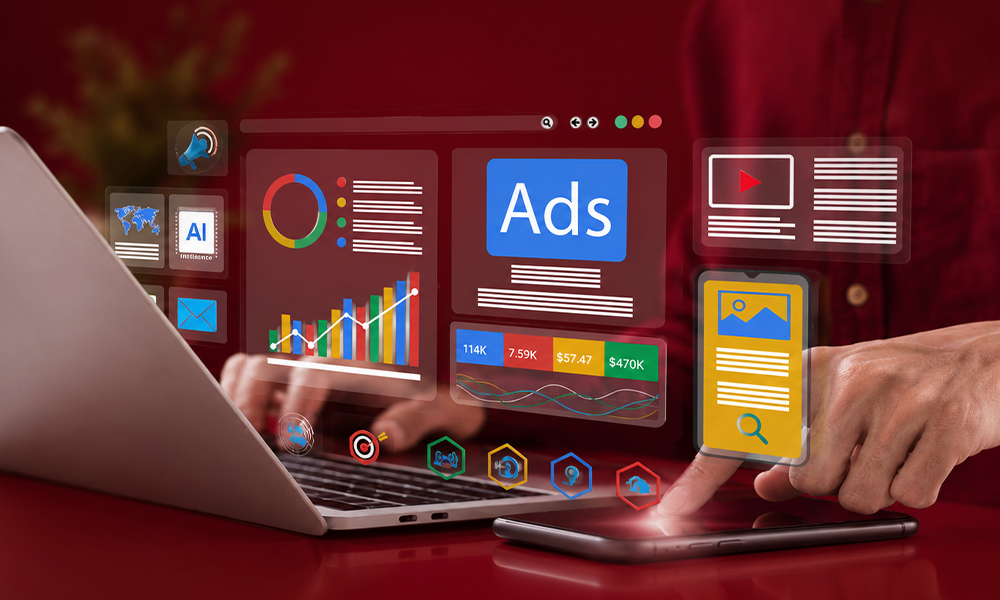
Google Ads management today looks very different from what it did a decade ago.
Manual bid adjustments and basic keyword optimization have largely been replaced by automated bidding systems that learn from conversion data.
According to the research provided, recent updates announced during Google Marketing Live 2026 accelerated this transition. Agencies now spend less time adjusting bids manually and more time improving data quality, creative assets, and business strategy.
This shift means agencies increasingly act as strategic consultants instead of campaign operators.
Their success depends on feeding Google’s algorithms accurate business signals rather than making countless manual adjustments.
Core Services Offered by a Google Ads Agency
A professional Google Ads agency provides much more than campaign management.
Each service supports another, creating a complete advertising system rather than isolated marketing activities.
Campaign Strategy
Every successful campaign begins with understanding business goals.
An agency determines whether your priority is lead generation, ecommerce sales, local customers, or enterprise growth before creating campaign structures.
Without this planning stage, advertising budgets often become inefficient.
Keyword Research
Keyword research identifies the searches most likely to generate valuable customers.
Instead of targeting every possible keyword, agencies organize campaigns around commercial intent while filtering irrelevant traffic through negative keywords.
This improves campaign relevance and helps control advertising costs.
Google Search Campaign Management
Search campaigns remain one of the highest-intent advertising channels.
They allow businesses to appear when customers actively search for products or services, making them ideal for generating qualified leads.
Performance Max Campaigns
Performance Max has become one of Google’s most significant campaign types.
Instead of managing separate campaigns for Search, Display, Maps, Shopping, and YouTube, advertisers can use a single AI-driven campaign that distributes ads across Google’s inventory.
Recent platform improvements have also increased transparency by supporting campaign-level negative keywords, placement reporting, and brand exclusions.
Demand Gen Campaigns
Demand Gen campaigns focus on reaching potential customers before they begin actively searching.
These campaigns appear across YouTube, Discover, Gmail, and other visual environments using rich creative assets.
For brands looking to build awareness alongside direct response marketing, Demand Gen has become an increasingly valuable option.
Google Shopping Management
For ecommerce businesses, Google Shopping campaigns often represent one of the most profitable advertising channels.
Agencies optimize product feeds, Merchant Center settings, bidding strategies, and product data to improve visibility and increase sales.
YouTube Advertising
Video advertising continues to expand across Google’s ecosystem.
Modern agencies create and optimize short-form creative designed for YouTube while aligning campaign objectives with measurable business outcomes instead of simple view counts.
Conversion Tracking
Without accurate tracking, even the best campaigns become difficult to improve.
Leading agencies configure Google Tag Manager, Enhanced Conversions, offline conversion imports, and CRM integrations to help Google’s algorithms identify valuable customers rather than low-quality leads.
According to the research provided, this first-party data infrastructure has become one of the most important competitive advantages in modern PPC management.
Landing Page Optimization
Generating clicks is only half the job.
If visitors reach a slow or confusing landing page, advertising costs increase while conversions decrease.
Top agencies therefore recommend or build dedicated landing pages designed specifically for paid traffic.
Fast loading speeds, clear messaging, and mobile-friendly layouts contribute directly to stronger campaign performance.
Continuous Optimization
Campaigns are never truly finished.
Search behavior changes.
Competition changes.
Business priorities change.
An experienced Google Ads agency continuously monitors performance, tests new creative, adjusts bidding strategies, and improves campaign efficiency over time.
Statistics That Explain Today’s Google Ads Landscape
Several recent industry figures illustrate why PPC management has become more sophisticated than ever.
| Statistic | Source | Why It Matters |
| Google Lens processes more than 12 billion monthly queries | Google Marketing research (2026 data in research report) | Visual search continues to reshape advertising opportunities. |
| Around 20% of Google search traffic now comes through Google Lens | Research data | Agencies increasingly optimize visual assets alongside text ads. |
| Websites with strong structural optimization can experience a 12.5× click multiplier | Research data | Landing page quality directly influences campaign performance. |
| Modern image formats like AVIF and WebP can reduce data transfer by up to 50% | Research data | Faster landing pages improve user experience and Quality Score. |
| 80% of senior analytics professionals prioritize incrementality measurement | Industry metrics referenced in the research report | Businesses increasingly evaluate true business impact instead of vanity metrics. |
| Google AdWords launched in 2000 with approximately 350 advertisers before transitioning to CPC bidding in 2002 | Historical timeline in the research report | Demonstrates how Google’s advertising ecosystem has evolved into today’s sophisticated platform. |
These figures show that successful PPC management now depends on data quality, website performance, and business strategy, not simply increasing advertising spend.
How We Selected the Best Google Ads Agencies
Choosing the right agency requires more than comparing client lists or hourly rates.
For this guide, the evaluation framework focuses on qualities that directly influence campaign performance and long-term business value.
Proven Experience
Agencies with years of experience across multiple industries are better equipped to adapt strategies as markets change.
Experience also helps teams recognize common performance issues before they become costly.
Google Certifications and Partner Status
Google Partner and Google Premier Partner designations demonstrate that an agency meets Google’s certification and performance requirements.
While certification alone does not guarantee success, it shows ongoing investment in platform expertise.
Conversion Tracking Expertise
Strong agencies don’t stop at clicks.
They build reliable measurement systems that connect advertising spend with qualified leads, sales, and revenue.
This includes Enhanced Conversions, CRM integrations, and first-party data strategies that have become increasingly important in privacy-focused advertising.
Transparent Reporting
Clear reporting builds trust.
The best agencies explain what happened, why it happened, and what actions they recommend next instead of overwhelming clients with dashboards full of vanity metrics.
Industry Knowledge
Different industries require different PPC strategies.
An ecommerce retailer, a SaaS company, and a local service business all have unique buying journeys, budgets, and performance goals.
The strongest agencies understand these differences and adapt accordingly.
20+ Best Google Ads Agencies for PPC Campaigns
Finding the right Google Ads agency is less about choosing the biggest name and more about selecting a team that matches your business goals, industry, and budget.
The agencies below are recognized in the research data for their expertise, technical capabilities, and specialization across different markets.
1. InterTeam Marketing
Best for: B2B SaaS and lead generation
InterTeam Marketing focuses on building qualified sales pipelines instead of simply increasing website traffic. Its approach connects CRM lead-quality data with Google Ads bidding, allowing campaigns to optimize toward real business outcomes.
Key Services
- Google Ads management
- B2B lead generation
- CRM integration
- Conversion tracking
- Revenue attribution
Pros
- Strong B2B expertise
- Excellent CRM integration
- Revenue-focused reporting
Cons
- Less suitable for businesses seeking full-service marketing beyond PPC
- Directive Consulting
Best for: Enterprise technology, FinTech, and SaaS
Directive Consulting is known for its Customer Generation methodology. Rather than measuring clicks alone, the agency links advertising performance directly to pipeline growth and closed revenue.
Key Services
- Enterprise PPC
- Revenue operations
- Attribution modeling
- Multi-channel paid media
Pros
- Advanced reporting
- Enterprise expertise
- Strong strategic consulting
Cons
- Better suited to larger marketing budgets
3. KlientBoost
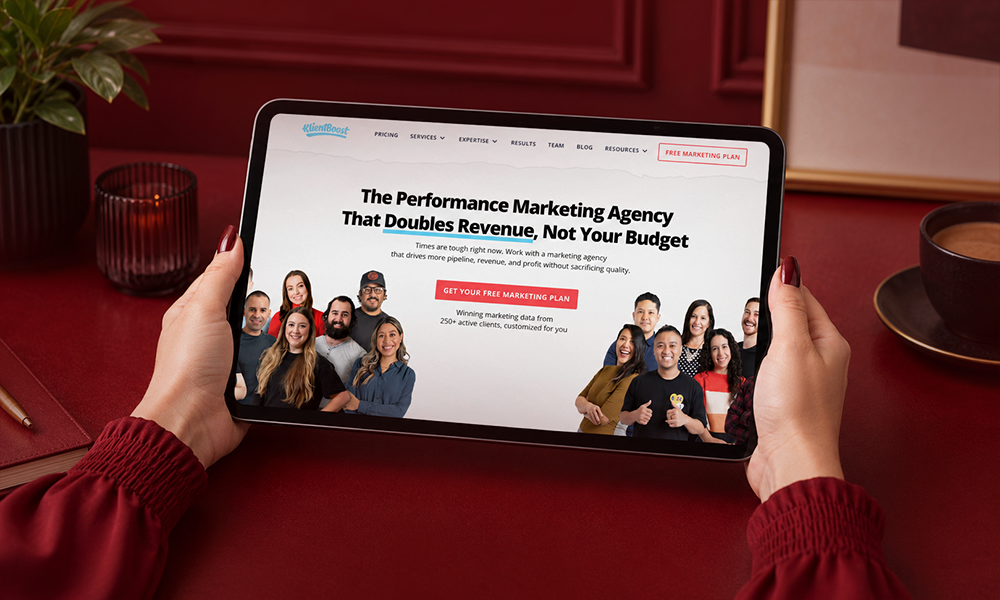
Best for: Small and mid-sized businesses
KlientBoost combines Google Ads management with landing page testing and conversion rate optimization. This integrated approach helps improve both traffic quality and conversion performance.
Key Services
- PPC management
- Landing page optimization
- CRO
- Paid social advertising
Pros
- Strong creative testing
- Conversion-focused campaigns
- Transparent communication
Cons
- CRO projects may require additional implementation time
4. White Label Agency
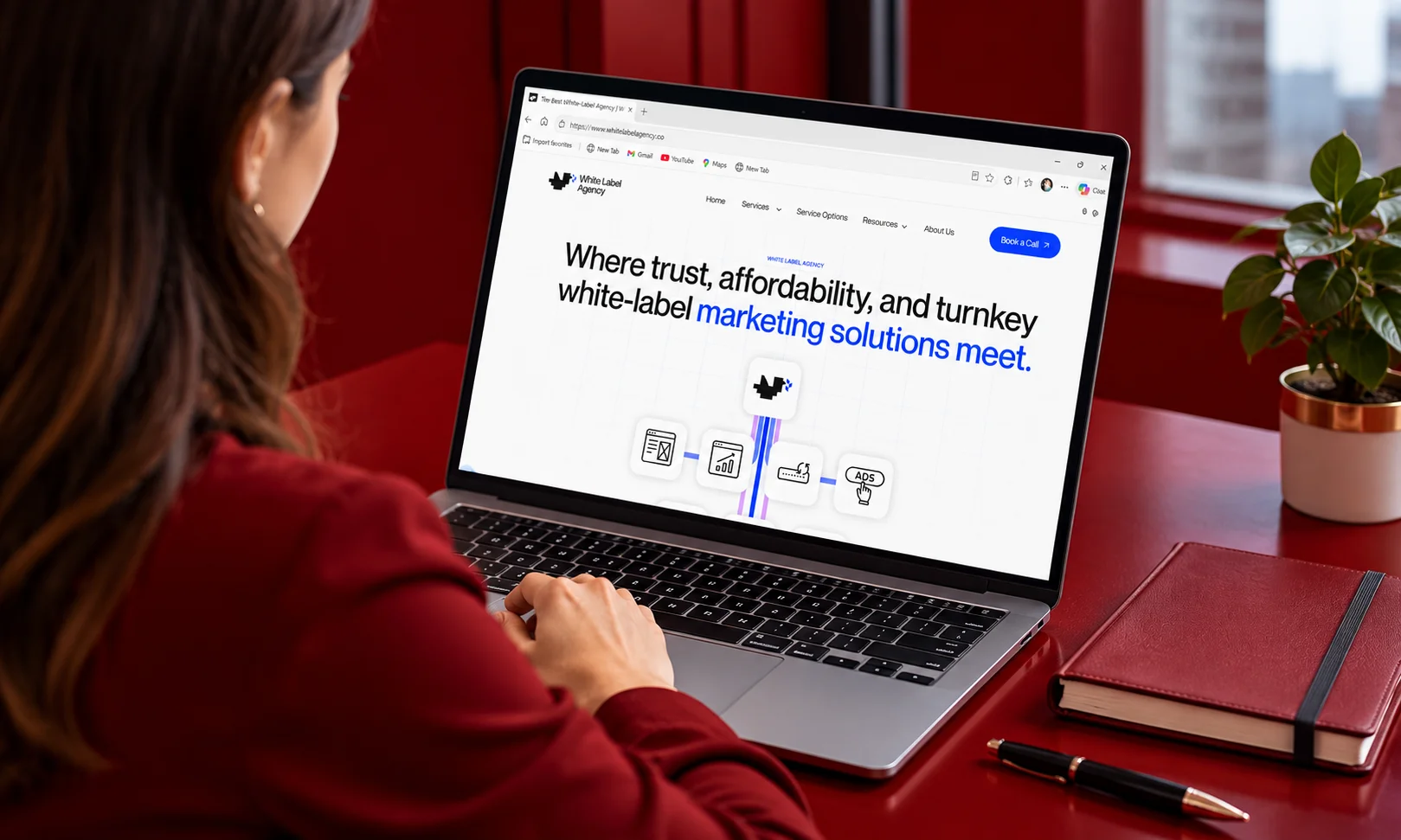
Best for: Agencies wanting Google Ads white label support
Key Services
- Google Ads management
- White-label PPC fulfillment
- Campaign setup and optimization
- Reporting
Pros
- Allows agencies to offer Google Ads services without building an in-house PPC team
- White-label fulfillment under the agency’s own brand
- Useful for agencies looking to expand their PPC offering
Cons
- Primarily suited to agencies rather than businesses looking for direct PPC management
- Adds an external fulfillment partner to the agency’s workflow
5. Disruptive Advertising
Best for: Ecommerce and direct-to-consumer brands
Disruptive Advertising emphasizes profitability instead of raw traffic volume. Campaign decisions are guided by customer lifetime value and overall business margins.
Key Services
- Google Ads management
- Ecommerce advertising
- Customer lifetime value optimization
- Analytics
Pros
- Strong ecommerce knowledge
- Focus on profitable growth
- Data-driven strategy
Cons
- Best value for businesses with established advertising budgets
6. SmartSites
Best for: Small businesses and local companies
SmartSites has built a strong reputation for creating cost-efficient Google Ads campaigns that help local and regional businesses compete effectively.
Key Services
- Local PPC
- Google Ads management
- Website services
- Local advertising
Pros
- Excellent for local campaigns
- Google Premier Partner
- Broad industry experience
Cons
- Enterprise businesses may require more specialized solutions
7. WebFX
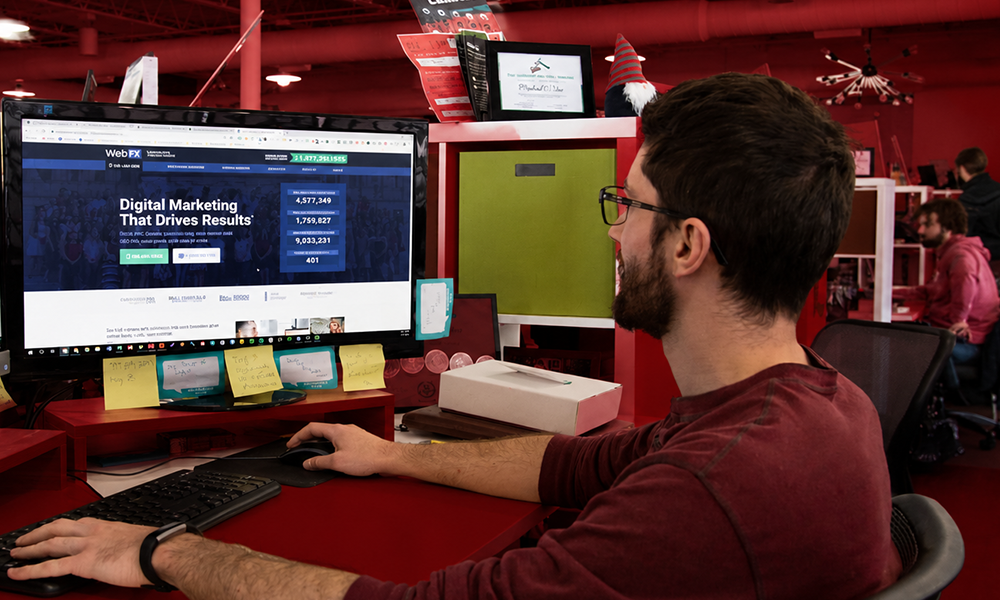
Best for: Large organizations and enterprise marketing
WebFX combines Google Ads management with proprietary marketing technology that supports large product catalogs and complex advertising structures.
Key Services
- Enterprise PPC
- Marketing analytics
- Multi-channel campaigns
- Ecommerce advertising
Pros
- Large operational capacity
- Strong reporting platform
- Enterprise support
Cons
- May exceed the needs of very small businesses
8. JumpFly
Best for: Retail brands and dedicated PPC management
JumpFly specializes almost exclusively in paid advertising. Its custom AI alert system helps identify budget issues before they affect campaign performance.
Key Services
- PPC management
- Google Shopping
- Retail advertising
- Budget monitoring
Pros
- Long PPC history
- Strong Shopping expertise
- Responsive management
Cons
- Less emphasis on broader marketing services
Other Notable Google Ads Agencies
Several additional agencies stand out for specialized expertise across different industries.
| Agency | Best For | Primary Strength |
| Aimers | SaaS | Revenue optimization |
| Obility | B2B | Attribution modeling |
| SevenAtoms | SaaS | Landing page testing |
| Power Digital | Omnichannel marketing | AI-powered technology |
| AdVenture Media Group | Mid-market & enterprise | Large advertising budgets |
| Falcon Digital Marketing | Lead generation | High-intent search campaigns |
| HawkSEM | Performance marketing | ConversionIQ analytics |
| Grow My Ads | Account restructuring | PPC audits |
| Ignite Visibility | Enterprise marketing | Advanced analytics |
| NinjaPromo | Creative campaigns | Social-first advertising |
| Thrive Internet Marketing Agency | Local businesses | AI-assisted campaign management |
| PPC Boost | Retail | Cross-platform PPC |
| Black Propeller | Ecommerce | Growth-focused management |
| Logical Position | Enterprise ecommerce | Merchant Center expertise |
| Saffron Edge | Direct-to-consumer brands | Global PPC scaling |
Best Google Ads Agencies by Business Type
Not every agency fits every business.
Choosing based on specialization usually produces better long-term results than selecting the largest company available.
| Business Type | Recommended Agency |
| Small Business | SmartSites |
| SaaS | InterTeam Marketing |
| Enterprise Technology | Directive Consulting |
| Ecommerce | Disruptive Advertising |
| Mid-Market Companies | KlientBoost |
| Retail | JumpFly |
| Large Enterprise | WebFX |
| B2B Lead Generation | Obility |
| Multi-Channel Growth | Power Digital |
| Local Services | Thrive Internet Marketing Agency |
Google Ads Agency Pricing Guide
Pricing varies depending on campaign complexity, advertising budget, and the services included.
Most agencies use one of four pricing models.
| Pricing Model | Typical Structure | Best For |
| Monthly Retainer | Fixed monthly fee | Ongoing management |
| Percentage of Ad Spend | 10–20% of advertising budget | Larger campaigns |
| Flat Fee | Fixed project pricing | Smaller businesses |
| Performance-Based | Linked to agreed performance metrics | Established partnerships |
According to the research data, many agencies charge monthly retainers ranging from $2,500 to $10,000+, while others combine a fixed management fee with 10–20% of monthly ad spend.
Pricing alone should never determine your decision.
A lower management fee means little if campaign performance suffers or tracking is inaccurate.
Google Partner vs Premier Partner
Many businesses assume every certified agency offers the same expertise.
That isn’t always true.
Google uses different partnership levels based on certifications, campaign performance, and other qualification criteria.
| Google Partner | Google Premier Partner |
| Certified by Google | Top-performing participating agencies in their country |
| Meets certification requirements | Meets higher performance standards |
| Demonstrates platform knowledge | Recognized for sustained campaign success |
| Suitable for many businesses | Often handles larger or more complex accounts |
According to the research provided, Google Premier Partner status is awarded to the top-performing participating agencies that satisfy Google’s performance and certification requirements.
Although Premier Partner status is valuable, you should still review case studies, reporting quality, communication, and industry experience before making a decision.
Google Ads Agency vs Freelancer vs In-House Team
Every management option has strengths and limitations.
The right choice depends on your internal expertise, available budget, and growth plans.
| Factor | Google Ads Agency | Freelancer | In-House Team |
| Technical Expertise | High | Moderate to High | Depends on staff |
| Team Resources | Multiple specialists | One individual | Internal employees |
| Campaign Scaling | Fast | Moderate | Slower |
| Reporting | Advanced | Varies | Internal dashboards |
| Platform Experience | Broad | Depends on experience | Business-specific |
| Best For | Growing businesses | Smaller budgets | Large organizations with dedicated marketing teams |
Who Should Use a Google Ads Agency?
A professional agency is usually the best fit if you:
- Manage significant advertising budgets.
- Need advanced conversion tracking.
- Want experienced specialists across PPC, analytics, and CRO.
- Lack an experienced in-house PPC team.
- Plan to scale campaigns across multiple Google advertising channels.
Who Should Consider Other Options?
A freelancer or internal team may be sufficient if you:
- Run a very small local campaign.
- Have limited advertising budgets.
- Already employ experienced Google Ads specialists internally.
- Require only occasional account support instead of ongoing management.
A successful partnership ultimately depends on transparency, communication, and measurable business outcomes, not simply the size of the agency.
How to Choose the Right Google Ads Agency
Hiring a Google Ads agency is a business decision, not just a marketing decision. The right partner should improve revenue, not simply increase ad spend.
Before signing a contract, evaluate how the agency works, not just the results it promises.
1. Understand Their Strategy
A reliable agency should explain how it plans to achieve your goals.
Ask whether it focuses on lead generation, ecommerce sales, local growth, or brand awareness. The strategy should fit your business model rather than relying on a generic approach.
2. Verify Tracking and Measurement
Campaign success depends on accurate data.
According to the research, leading agencies build first-party tracking systems using Google Tag Manager, Enhanced Conversions, and CRM integrations so Google’s automation learns from valuable customers instead of low-quality leads.
3. Review Reporting
Good reports answer business questions.
Instead of showing only clicks and impressions, agencies should explain metrics such as Cost Per Acquisition (CPA), Return on Ad Spend (ROAS), conversion rate, and revenue impact.
4. Check Industry Experience
Experience in your industry shortens the learning curve.
A B2B SaaS campaign requires different messaging and optimization than an ecommerce store or a local service business.
5. Ask About Landing Pages
Clicks alone don’t generate sales.
Top-performing agencies also recommend or optimize landing pages because page quality directly affects conversion rates and Quality Score.
Common Mistakes Businesses Make When Hiring a Google Ads Agency
Many disappointing partnerships begin with unrealistic expectations rather than poor campaign management.
Avoid these common mistakes.
Choosing the Lowest Price
A low management fee can become expensive if campaigns waste advertising budget.
Evaluate value, expertise, and reporting, not just monthly cost.
Ignoring Conversion Tracking
Without accurate tracking, optimization becomes guesswork.
Campaign decisions should be based on real conversions instead of surface-level metrics.
Focusing Only on Clicks
High traffic doesn’t always mean strong business results.
Qualified leads, sales, customer lifetime value, and ROAS provide a much clearer picture of campaign success.
Overlooking Communication
Even experienced agencies need regular discussions with clients.
Clear communication helps campaigns adapt as products, services, and business priorities change.
Expecting Instant Results
Google Ads can generate traffic quickly.
However, the research indicates that meaningful optimization typically requires 30 to 90 days as campaigns gather data, test creative assets, and refine bidding strategies.
Measuring the Success of Your Google Ads Agency
Performance should always be measured against business goals.
The most useful metrics include:
- Cost Per Acquisition (CPA)
- Return on Ad Spend (ROAS)
- Conversion Rate
- Qualified Leads
- Closed Revenue
- Customer Lifetime Value (LTV)
Avoid judging performance using clicks alone.
A campaign generating fewer clicks but higher-quality customers often delivers stronger long-term growth.
Practical Implementation: Your First 90 Days With a Google Ads Agency
Competitors often stop after recommending agencies.
The real value begins after you hire one.
Before Hiring
Complete these steps first:
- Define your primary business goal.
- Decide on a monthly advertising budget.
- Collect historical campaign data if available.
- Identify your most profitable products or services.
- Prepare access to your Google Ads account and analytics tools.
During Onboarding
An experienced agency should:
- Audit your existing account.
- Review campaign history.
- Configure conversion tracking.
- Connect analytics and CRM systems.
- Build a reporting framework.
- Identify immediate optimization opportunities.
During the First Month
Expect activities such as:
- Campaign restructuring
- Keyword refinement
- Negative keyword expansion
- Ad copy testing
- Landing page recommendations
- Budget optimization
The objective during this phase is to improve data quality while establishing reliable performance benchmarks.
Months Two and Three
Once sufficient conversion data exists, agencies usually begin:
- Smart Bidding optimization
- Performance Max refinement
- Audience testing
- Creative expansion
- Budget allocation improvements
- ROAS optimization
This is generally when campaign performance becomes more stable.
Real-World Examples
The research highlights several examples of how specialized agencies improved campaign performance.
- InterTeam Marketing restructured a B2B search campaign for Coefficient, producing a 166% increase in bottom-of-funnel conversions by improving targeting and CRM integration.
- Aimers rebuilt Originality.ai’s SaaS acquisition strategy, resulting in a 100% increase in paying-user revenue.
- Stryde optimized Lime Ricki’s Google Shopping feeds and achieved a verified 5.2× Return on Ad Spend (ROAS).
- Aimers also redesigned Orion Labs’ lead generation workflow, leading to a 4× increase in sales opportunities within six months.
- Directive Consulting shifted enterprise SaaS clients toward revenue-based attribution, improving acquisition efficiency while strengthening sales pipeline measurement.
These examples demonstrate that the biggest gains often come from better strategy, cleaner data, and continuous optimization, not simply spending more on ads.
Conclusion
Think back to the business owner who couldn’t understand why advertising costs kept rising while sales stayed flat.
The problem wasn’t Google Ads itself. It was the absence of a structured strategy, reliable tracking, and continuous optimization.
A professional Google Ads Agency brings those pieces together. From campaign planning and conversion tracking to landing page improvements and data-driven reporting, the right agency helps your advertising budget work smarter rather than harder.
Choosing an agency isn’t about finding the biggest name on a list. It’s about finding a partner that understands your business, measures meaningful outcomes, and adapts as Google’s advertising platform continues to evolve.
The best advertising results usually come from steady improvements made over time, not overnight success.
Frequently Asked Questions
What does a Google Ads agency do?
A Google Ads agency creates, manages, and optimizes paid campaigns across Google Search, Shopping, YouTube, Display, and Performance Max. It helps businesses improve leads, sales, and return on ad spend through strategy, tracking, and optimization.
How much does a Google Ads agency charge?
Most Google Ads agencies charge through monthly retainers, percentage of ad spend, or fixed fees. According to the research data, pricing often ranges from $2,500 to $10,000+ per month, depending on campaign complexity.
What is a Google Premier Partner?
A Google Premier Partner is an agency recognized by Google for meeting higher standards in certifications, performance, and advertising expertise. It indicates strong platform knowledge but should not be the only factor when choosing an agency.
Is Performance Max now a standard campaign type?
Yes. Performance Max is widely used by modern Google Ads agencies because it runs campaigns across multiple Google channels. Agencies improve results by using proper tracking, audience signals, exclusions, and optimization strategies.
How long does it take to see results from a Google Ads agency?
Initial traffic can appear quickly, but consistent results usually take 30 to 90 days. Agencies need time to collect data, optimize campaigns, and improve bidding strategies.
Why is conversion tracking so important?
Conversion tracking helps agencies understand which ads generate valuable customers. Tools like Google Tag Manager, Enhanced Conversions, and CRM integrations improve data accuracy and campaign optimization.
Can a Google Ads agency manage advertising on other platforms?
Yes. Many agencies also manage platforms like Microsoft Advertising, Amazon PPC, and paid social channels. This helps businesses create a broader digital advertising strategy.