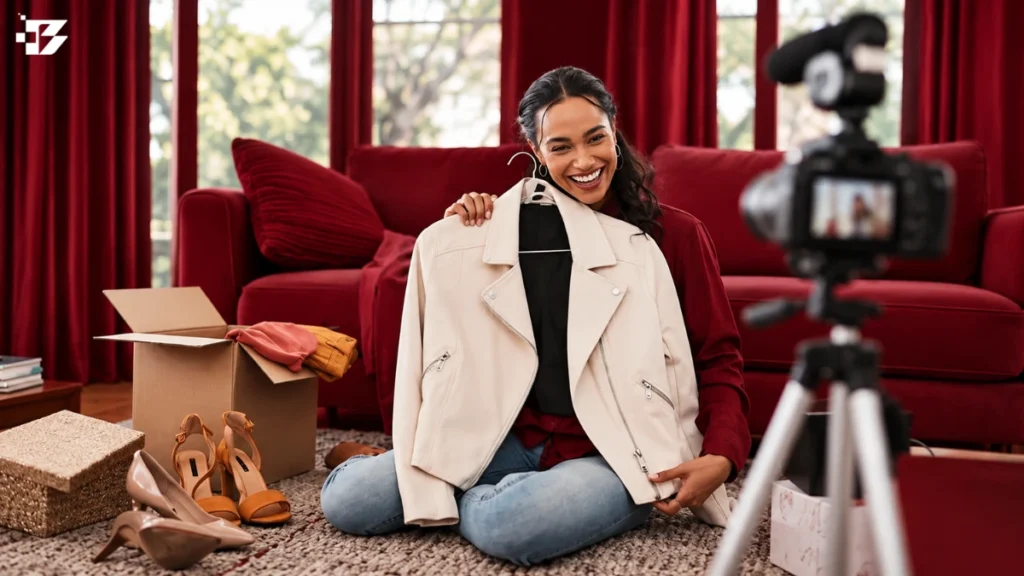
Keep dependable year-round products at the center of your assortment, then add seasonal releases when a clear customer need or timely opportunity supports them. This balance works for fashion brands and shoppers because it pairs familiar choices with items suited to a moment, climate or style shift.
A seasonless model emphasizes year-round relevance and longer-lasting collections rather than relying only on fixed seasonal drops. A brand with a strong weather, occasion or trend opportunity may lean more heavily into seasonal products. The right mix follows customer needs and the brand’s ability to manage inventory, not a universal percentage.
Use this decision guide to assess demand, local conditions, timing and product usefulness before you commit. Consumers can use the same ideas to choose pieces that fit their lives beyond one campaign. Treat every seasonal launch as a test of a specific customer need, not as an automatic response to the calendar.
Key Takeaways
- Keep permanent products available for needs customers repeat.
- Add seasonal products when weather, occasions or customer demand support them.
- Use local climate and activities to shape the assortment.
- Check trend interest against your own sales data.
- Plan launches around realistic production and delivery dates.
How to Choose Between Seasonal Collections and Permanent Products
Choose permanent products for needs customers repeat throughout the year, and seasonal collections for demand tied to a particular period, use or look. Repeatable needs suit familiar items, while a timely need can make a short-run product more useful.
Permanent products stay available for regular buying and replenishment. They can give brands familiar fits and a steady inventory base. A permanent line can still feel stale if the brand never refreshes its story or updates the product.
What permanent products do best
Customers can return to a known fit, color or item when they need another one. Brands can plan repeat orders around products that perform well. Shoppers comparing lasting design with trend-led pieces can also use this guide to evaluating style and value.
What seasonal collections add
Seasonal collections bring timely utility, novelty or a look tied to a specific occasion. Seasonal products can be practical, such as rainwear, and need not follow a trend. Limited reorders can leave brands with unsold stock, post-season markdowns or customer fatigue with a short-lived look.
| Type | Availability | Strongest use | Main risk |
|---|---|---|---|
| Permanent | Year-round | Repeat need | Staleness |
| Seasonal | Time-limited | Weather or occasion | Unsold stock |
| Mixed | Both | Stable base plus timely demand | Added planning |
A seasonal item earns its place when its use remains clear after the campaign imagery is removed.
Permanent products can also change in small ways without losing their core role. A new fabric, fit or color may refresh an item while keeping its familiar purpose. Brands should make the choice based on how customers use the product, not just its place in a collection.
The best balance can shift as customer habits and inventory change. A seasonal winner may become a permanent product if its use continues beyond the original window. Keep the role of each item clear before setting its inventory plan.
How Does the Fashion Calendar Affect Product Timing?
A spring/summer runway presentation usually arrives in stores months before the summer it is designed for. Presentation and retail timing differ, so brands must plan collections for when customers can use them.
The main ready-to-wear seasons are spring/summer and fall/winter. Spring/summer collections are typically shown in September and October for the following summer, then delivered to stores between January and March. Fall/winter collections are usually shown in February and March, with delivery between July and September.
Spring/summer and autumn/winter
The months between a show and store delivery give brands and retailers time to plan each range. A design shown early may need changes before production, based on the intended use and expected store timing. AW means autumn/winter, also called fall/winter in the United States.
Resort/cruise and pre-fall
Intermediate collections bridge the two main releases, though brands vary in which ones they offer. Resort/cruise collections are shown in May and often go on sale from mid-November. Pre-fall collections are often delivered to stores in May, and their presentation typically comes before the fall/winter shows.
| Collection | Typical presentation | Typical store timing | Role in the calendar |
|---|---|---|---|
| Spring/summer | September/October | January-March | Main warm-weather release |
| Fall/winter | February/March | July-September | Main cold-weather release |
| Resort/cruise | May | Mid-November | Intermediate collection |
| Pre-fall | Before fall/winter shows | May | Intermediate collection |
Use the calendar as a planning baseline, then check that the actual delivery date still makes sense for the intended customer and climate. A calendar label alone cannot tell a retailer whether a coat or swimsuit will arrive at a useful time.
Which Demand Patterns Justify a Seasonal Launch?
A seasonal launch is easiest to justify when a customer need recurs at a recognizable time and appears in category-level sales. Recurring demand gives a stronger case than a single busy week or a campaign that creates urgency.
Review two to three years of category-level sales to see whether demand returns at a similar time. Weather needs can recur without requiring a new range every season. A brand should separate a practical change in use from the assumption that each calendar period needs fresh products.
Weather-driven demand
Cold weather may create a clear need for warm layers, while summer heat can support breathable clothes or swimwear. The timing can shift by region, so one launch date may not fit every market. Build around the need customers face, not the season name alone.
Holiday and event demand
A real event or gifting need can support a seasonal collection. A campaign can draw attention to that need, but it cannot prove that customers need the product. Winter holidays in November and December are a peak period for gifts, electronics and apparel.
Repeating demand in sales data
Compare category sales across years to spot recurring patterns. Spring from March to May brings demand for gardening, apparel, DIY and home-improvement products. Summer from June to August brings demand for swimwear, outdoor equipment and travel gear.
| Period | Demand categories | Seasonal product opportunity | Calendar note |
|---|---|---|---|
| Winter holidays, November-December | Gifts, electronics, apparel | Giftable apparel or accessories | Holiday peak |
| Spring, March-May | Gardening, apparel, DIY, home improvement | Gardening or home project items | Spring demand |
| Summer, June-August | Swimwear, outdoor equipment, travel gear | Travel or outdoor products | Overlaps back-to-school |
| Back-to-school, July-September | Electronics, apparel, school supplies | School apparel or supplies | Overlaps summer |
| Fall holidays, October-November | Costumes, party supplies, home décor | Costumes or seasonal décor | Fall holiday period |
The summer and back-to-school windows overlap from July to August, so one product calendar can serve more than one demand moment. Keep a launch on the calendar only when its demand signal is stronger than a one-time spike.
When Should Climate or Region Change the Assortment?
A single national season can call for different products when local weather and everyday activities differ. Local use matters because the same date can mean different temperatures, routines and clothing needs across the country.
Adapt a market’s product mix when local conditions change what customers need. Climate, activities and customer habits can affect product weight, fabric and intended use. A national campaign can stay consistent while the products or lead images change by market.
Colorado offers a clear example of regional variation. The Front Range and western slope have distinct local preferences, including utility-focused outdoor clothing. Patagonia and Arc’teryx are examples of brands associated with that practical outdoor context.
A light layer may suit one region while a warmer version fits another, even during the same calendar week. Local activities also shape whether customers need clothing for daily commutes, trails or changing weather. Use regional sales and customer feedback to spot differences before repeating one assortment everywhere.
Brands can keep the same campaign idea and adjust which products appear first in each market. Local imagery can also show how a product fits a familiar activity. A social calendar shaped by Boca Raton’s local weather and habits shows why timing and content can change with place.
Check the local forecast pattern and customer use case before treating a national calendar date as a product deadline. One city’s first cool week may arrive well before another’s.
What Belongs in a Seasonal Collection?
Begin with what the customer needs the product to do in the season, then choose a visual direction that fits the brand. Use comes first, because a striking design cannot fix poor comfort or function.
Match function to temperature, breathability, water resistance, mobility and layering. A rain shell should protect against wet weather, while a warm layer should work over clothes customers already own. Consider whether a piece can handle daily use, not only a styled photo.
Start with weather and use
Designers can choose fabrics and shapes based on how customers move through the season. A lightweight fabric may suit heat, while a water-resistant finish can help in wet conditions. Layering can make a product useful across a wider range of temperatures.
Add a point of view without buying every trend
Fall 2026 runway trends include dark florals and earthy green and brown palettes. Designs also include oversized or cropped styles, exaggerated silhouettes, dramatic hemlines, and billowy pants and dresses. Designers used layering and unexpected accessories to restyle staples such as cardigans and tailored trousers.
These are runway directions, not proof that every brand or customer should buy them. Use a short list of checks before adding a trend-led item:
- Weather and function: Does it work in the intended conditions?
- Brand identity: Does it fit the brand’s usual look?
- Compatibility: Can customers wear it with existing pieces?
- Longer use: Is it likely to work beyond one event?
A dark floral blouse might fit a brand’s colors and pair with its permanent trousers. An exaggerated shape may need more styling support or a small test order. Shoppers can also weigh materials, construction, use and price when comparing a classic product with a trend-led one in this fashion brand buying guide.
Keep a trend-led piece out of the buy when it cannot be worn with the rest of the assortment. A seasonal collection should add a useful choice, not a styling problem.
How Can You Tell a Trend Has Staying Power?
A trend deserves a larger role only when more than one signal points toward customer interest. Several signals offer a better basis for a seasonal buy than a single designer look or a fast burst of attention.
Compare runway direction, expert judgment and public response before you commit. New York, London, Milan and Paris are the four cornerstone cities for major fashion weeks. Designers and fashion critics can help identify ideas that recur across shows.
Compare signals before committing
Social media can show how people style a look or talk about it. Commentary may also reveal whether a trend feels useful, uncomfortable or hard to wear. Treat these as clues, not direct proof that customers will buy the items.
Use sales evidence, not social attention alone
Hashtag activity and changes in Google Analytics search volume can point to rising interest. Check those signals against the brand’s category sales over two to three years. That history can show whether similar demand returns in a predictable period.
Use these four checks when deciding how much inventory to risk:
- Runway recurrence: Does the idea appear across designers or fashion weeks?
- Search interest: Are searches rising over time?
- Customer response: Do shoppers engage with or ask about the look?
- Past category sales: Have similar items sold in earlier seasons?
A viral post can attract views without creating a reliable sales forecast. If a trend has strong social attention but weak category sales, a small test protects the brand from overbuying.
Let social attention trigger a test, not dictate the size of the order. Review the test’s sales before expanding the range.
Should Seasonal Pages Use Evergreen or Year-Specific URLs?
For a recurring autumn assortment, keep the customer-facing destination at /collections/autumn and refresh what appears on it. A stable destination gives returning shoppers a familiar way to find the range.
Use an evergreen URL by default when the seasonal range returns each year. A separate year-specific page makes sense when the year itself is central to the offer. Keep product organization clear without splitting the customer path unnecessarily.
Keep the destination stable
An evergreen URL such as /collections/autumn can remain in place while the page changes. A new page each year may give customers more than one route to a similar range. Store teams can keep a recurring destination easier to find.
Show freshness without splitting the customer path
Refresh the page title, description, imagery and products to show the current season. Tags such as autumn-2025 and summer-2024 can help organize products internally. The tags need not become the customer-facing destination.
| Page type | URL pattern | Customer navigation | Ongoing SEO consideration | Best use |
|---|---|---|---|---|
| Evergreen seasonal page | /collections/autumn | One familiar destination | Refresh current page content | Recurring seasonal range |
| New year-specific page each year | /collections/autumn-2025 | Separate pages by year | Manage each page’s visibility | Year central to the offer |
| Evergreen page with archived seasonal records | /collections/autumn plus archive | Current range and past editions | Keep archives useful and clear | Past editions remain useful |
Keep page copy tied to the products shown, so shoppers do not land on an outdated range. A clear site structure also helps customers browse from the main collection to an item. This Shopify store guide covers product catalogs and site content updates.
Create a separate yearly page only when the year changes the offer in a way customers need to browse or revisit. An annual label alone is not a reason to split the page.
How Far Ahead Should a Seasonal Launch Be Planned?
Set the customer-facing date first, then work backward across the months needed for buying, production and delivery. Start with the date customers can shop, not the day the team hopes to finish planning.
Build a schedule around the actual product and delivery sequence. Fashion collections are shown several months before they reach stores. That gap allows time for production planning, retailer buying and logistics.
Plan backward from the customer-facing date
Work back from the intended in-store or online date and check that design, production and delivery fit. Each product may need a different schedule, so avoid treating one brand’s lead time as a rule for all. A later delivery may call for a later campaign.
Set handoffs before production becomes urgent
Product development, buying, logistics, merchandising and marketing all need clear handoffs. Name one owner for each decision and keep dates in a shared calendar. A seasonal marketing plan can also begin before peak demand, as this year-round marketing example illustrates.
Use four planning checkpoints to keep work visible:
- Range decision: Confirm which products are in the collection.
- Production and delivery confirmation: Check quantities and expected arrival.
- Product content and assets: Prepare descriptions, images and campaign materials.
- Final launch readiness: Confirm products, pages and teams are ready.
Teams can choose tools that suit their work, but no single software process fits every brand. For an online launch, test the product pages and site features before customers arrive. This website launch guide covers basic testing and site setup.
Treat a delivery-date change as a signal to revisit the campaign date, not as a reason to promise products that are not ready. A clear update protects trust with stores and customers.
How Should You Balance Core Products With Seasonal Pieces?
Keep the core large enough to serve repeat needs, and let seasonal pieces add timely value rather than replace it. Keep the roles distinct, so customers can tell which products are dependable and which answer a specific moment.
Do not use a fixed 70-80% core and 20-30% seasonal split for every business. The right mix follows customer demand, replenishment needs and the brand’s ability to manage inventory.
Protect the reliable base
Permanent products support repeat purchase, replenishment and a recognizable brand identity. A familiar shirt or trouser can anchor an assortment while colors or details shift around it. A seasonless model focuses on year-round relevance and longer-lasting collections.
Make seasonal additions earn their space
Seasonal pieces can add color, shape or occasion relevance without making the whole assortment depend on a short trend window. Capsule collections are designed so pieces mix and match across occasions. A 3-3-3 wardrobe challenge uses three tops, three bottoms and three pairs of shoes, showing how a small group can form varied outfits.
| Product type | Customer role | Availability | Evidence to keep it | Main risk |
|---|---|---|---|---|
| Permanent core | Repeat need | Year-round | Repeat sales and replenishment | Stale design |
| Recurring seasonal product | Regular timed use | Seasonal return | Demand returns by season | Wrong timing |
| Limited trend test | New look or use | Short test | Customer response and sales | Fast fade |
A 2024 study of UK slow-fashion small brands found that durable, versatile design and smaller collections can support profitability. Its findings describe those businesses, not every fashion brand. A study of slow-fashion profit practices gives more detail on those findings.
Reorder a seasonal winner only when the product’s demand and useful life extend beyond its first campaign. A strong first launch alone does not make it a permanent product.
How Can Marketing Make Seasonal Products Feel Fresh?
Give a seasonal release a current story while making its use clear beyond the launch week. Freshness can come from the story, not only from replacing the product itself.
Refresh the campaign without suggesting useful products are obsolete. Seasonless models emphasize year-round relevance and longer-lasting collections. Digital tools and direct-to-consumer sales also let brands launch outside fixed seasonal drops.
Update the story, not just the release name
Update campaign images, styling and product copy to reflect current weather or use. Keep the item’s purpose clear, whether it is a warm layer or a bag for travel. A new collection label alone does not tell shoppers why the product matters.
Social media, email and useful content can help shoppers find products. E-commerce brands can use lead-generation ideas for online stores to encourage product discovery and follow-up. Keep calls to action clear and useful.
Connect the campaign to a lasting product role
Present a seasonal release as an addition to an existing wardrobe or assortment, not a signal that last season’s products no longer belong. A brand can explain how a new piece works with familiar items and remains useful over time.
An occasion-limited product is a fair exception. A costume can be marketed for a fall holiday without claiming year-round use. Brands can also test campaign messages one at a time; this guide to testing ads and evergreen content explains how to compare results.
Local weather can shape campaign timing and images even when the product stays the same. A brand can adjust the message for local habits while keeping its wider identity consistent.
Avoid urgency language that makes a customer feel an item is outdated solely because the calendar changed. A useful product should have a reason to matter beyond its release date.
When Should a Seasonal Product Be Retired or Reworked?
Retire or rework a seasonal product when its real customer use has ended or its sell-through no longer supports the space it occupies. Use and sales matter together, since a calendar date alone cannot show whether customers still need the item.
Read actual weather and sell-through together before extending a seasonal range. Fashion seasons do not always align with real weather, and warm or cold conditions can affect demand.
Read weather and sell-through together
A cold spell can keep demand for warm layers active, while an early heat wave may reduce interest in heavy clothes. Check what customers are buying alongside current conditions. Do not assume a season’s listed end means demand has stopped.
End the season deliberately
Brands can carry a useful design forward, adjust the product or its story, mark down remaining seasonal stock, or retire it when its use has passed. Summer sales often begin around mid-June and run through mid-July or August. Winter sales often run from Christmas through January or February.
Those common sale windows can begin before customers feel the meteorological season has ended. A retailer may need to clear space for the next range while some people still want the current one. Keep the message and stock position aligned with likely use.
Leaving seasonal stock at full prominence after its relevant demand has passed can crowd out products customers need now. A lower placement or a clear markdown can help shoppers understand the change in role.
Set a review date before the season begins so remaining stock gets an intentional decision rather than an accidental extension. The review should consider local conditions and the product’s use, not just the calendar.
How Can Shoppers Make Seasonal Pieces More Wearable?
A few well-chosen seasonal pieces can work harder when they coordinate with clothes already in the closet. Start with what you own, then decide whether a new item fills a real gap.
A small mix of tops, bottoms and shoes can create several outfits. The 3-3-3 style challenge uses three tops, three bottoms and three pairs of shoes. It can help plan travel outfits or a capsule wardrobe from clothes already owned.
Build outfits around a small mix
Choose pieces that share colors, fabrics or a similar level of formality. Margaret Manning advises women over 50 to be cautious with red and pastels, and suggests black, dark blue and burgundy for staple pieces. That is personal guidance, not a rule for every person or outfit.
Store off-season clothing with care
Use this checklist when rotating clothes out of daily reach:
- Wash or dry-clean items according to each care label.
- Remove pieces that do not fit, were not worn in a year, or cannot be repaired.
- Keep a coat, sweater and one pair of boots accessible.
- Choose a cool, dry place away from dampness and direct sunlight.
- Fold sweaters, T-shirts, scarves and tank tops; hang delicate, formal or wrinkle-prone items.
- Use breathable bins for silk, cashmere and wool, and avoid vacuum bags for delicate fabrics and leather.
- Label containers by season and contents.
Plastic boxes can trap moisture, so add a dehumidifier, use breathable fabric bins or choose vented plastic bins. Puffy or fluffy items can hang in protective garment bags. Store leather jackets flat with acid-free paper inside, and use cedar blocks or lavender sachets as natural moth repellents.
Clear weather-tight bins or vacuum-sealed bags can work for cotton clothing. Vacuum bags are not suited to delicate fabrics or leather, and occasional reinflation can help prevent creases. Label each container with its season and contents, and leave one layer and a pair of boots within reach during an unpredictable-weather rotation.
What Should a Brand Check Before Committing?
Approve a product only when the customer case and the delivery case are both clear. Both cases matter, because demand without a workable supply plan can still lead to a poor launch.
Use three checks: credible demand, a clear use or occasion, and the ability to source and deliver on time. Record each product as permanent, seasonal or a limited test before approving the buy.
Test the customer case
Confirm who will use the product and what need it fills. Decide whether demand recurs or belongs to a specific window. A promising trend without a customer use case should stay a small test rather than become a permanent commitment.
Test the operational case
Check that production, delivery, merchandising and campaign timing are workable. A product may fit the brand but still miss the moment if teams cannot prepare it in time. Assign owners before approving the order.
Ask these three questions before the buy:
- Is the need real?
- Is the product right for this brand and customer?
- Can the team deliver and support it at the promised time?
The answers should point to a clear product role and a realistic plan. If the demand is promising but uncertain, record a limited test and set a point to review its results.
Record the decision and its reason before the buy is placed, so the team can judge the outcome against the original expectation.
Keep the reason specific, such as recurring demand, a named occasion or a short trial. A clear record makes later review more useful than a general note that the item felt timely.
Conclusion
A strong assortment combines products customers can rely on with seasonal ideas that solve a real need. Permanent products offer consistency, while seasonal releases must earn their place through clear use, suitable timing and a plan the brand can manage.
Neither approach works well without a clear role. A dependable item can grow stale without care, and a timely product can become excess inventory when demand fades. Review the current assortment and label each product as permanent, seasonal or a test.
Then identify one seasonal item whose demand needs checking before the next buy. Before that decision, mark one product to protect, one to test and one to reconsider based on its customer use.