Choose the partner whose category experience, plan, team and measures fit your brand’s goals, rather than the agency with the most recognizable logos. The right fit depends on your audience, business stage and the work you need done.
An emerging label, a direct-to-consumer brand and a luxury house may need different kinds of support. Before you decide, ask for a seasonal plan, named account staff, clear goals and examples that match your needs. Sample seeding means sending products to editors or creators so they can assess or feature them.
Compare the proposed work with your internal capacity, budget and timing. You should leave the first conversation knowing what the agency will do, how you will judge progress and who will do the work. A useful first filter is whether the team can explain why its approach suits your audience and business stage.
Key Takeaways
- Compare relevant category experience, not just famous clients.
- Ask for a seasonal plan with dates, targets and named staff.
- Separate ongoing work from optional projects and extra costs.
- Set measures that connect media attention to brand discovery.
- Choose a partner whose work fits your team’s capacity and goals.
What Can a Fashion PR Agency Actually Do?
A fashion PR agency can manage ongoing media relations and launch activities that give editors a reason to pay attention. Core work often includes pitches, collection launches, sample seeding, creator programs and seasonal campaigns.
Ask the agency to separate recurring communications work from one-time production. Ongoing media relations may include pitching editors, arranging interviews and sharing timely product information. A launch event, campaign shoot or special press day may instead have its own schedule, crew and budget.
Every proposed activity should be marked as included, optional or separately billed. That simple distinction keeps a broad service menu from hiding the real scope.
Some agencies also help position a founder, prepare for a crisis or report on awareness and sales goals. They may organize, catalog and display press samples in a showroom for editors and journalists. A showroom can make it easier for visitors to review a collection in person.
Press materials may include press packs, lookbooks, campaign and product photos, and video campaigns. These items can support pitches, but their creation may involve outside photographers, stylists or production teams. Ask who owns the finished files and where the brand may use them.
Public relations also includes listening to the people a brand needs to reach, not just seeking publicity. The public relations function can include advising leaders and responding to public concerns. A strong scope should name who handles that work.
Some fashion agencies also offer creator services, though their role can differ from talent representation or ongoing creator management. Read about choosing a creator agency when you need to compare those models. Ask the agency to mark each proposed activity as included, optional or separately billed.
How to Evaluate a Fashion PR Agency’s Experience
Start by matching the agency’s strongest work to the job you need done, whether that is a runway show, a luxury press office or an emerging-label launch. Specific experience matters more than size or a familiar name.
Look for proof that the team has handled work like yours, at a similar stage. Agency profiles show different service mixes, not a ranking of which firm is best. A fashion agency with runway skills may not be the best fit for a brand seeking cultural partnerships.
| Agency | Founded | Stated specialty |
|---|---|---|
| KCD | 1984 | Fashion shows, special events, brand strategy |
| Karla Otto | 1982 | Runway shows, press days, luxury brand strategy |
| People’s Revolution | 1996 | Runway production, brand consulting, emerging designers |
| PURPLE PR | 1998 | Luxury fashion, celebrity dressing, editorial placement |
| Black Frame | 2006 | Fashion, art and cultural institutions |
Runway and launch production
If a show or major launch is central to your plan, ask about production details, not just press results. KCD, founded in 1984, is known for fashion-show production, special events and brand strategy. It has offices in New York, Paris, London and Los Angeles.
Karla Otto, founded in Milan in 1982, offers runway shows, press days, brand strategy and celebrity seeding for luxury brands. People’s Revolution, founded in 1996, works on runway production, brand consulting and launches for emerging designers. These profiles can help you frame questions, but they do not prove fit for your account.
Luxury, editorial and cultural positioning
For luxury positioning, examine the agency’s work with editors, celebrities and red-carpet moments. PURPLE PR was founded in London in 1998 and works in luxury fashion, celebrity dressing, red-carpet activity, editorial placement and brand campaigns.
Black Frame, founded in 2006, works across fashion, art and cultural institutions. The Lede Company, founded in 2018, operates at the crossover of fashion and entertainment, including red-carpet talent and brand campaigns. These different paths can suit brands that need cultural relevance as well as fashion coverage.
Integrated and multi-category capabilities
Some brands need several services across more than one category. PR Consulting, founded in 1997, works across fashion, beauty, retail, lifestyle, art, hospitality and culinary clients. LaForce, founded in 1995, works across fashion and retail, beauty, consumer technology, lifestyle, travel and hospitality.
Tractenberg & Co., founded in 1999, offers public relations, influencer marketing, social media management and experiential marketing for beauty, fashion, lifestyle and wellness brands. Michele Marie PR works on editorial placements, celebrity partnerships, influencer marketing and affiliate strategy.
Ask for a recent example at a similar price point and business stage, not just a famous client name.
How Should Fashion PR Fit Your Calendar and Media Targets?
A sound fashion PR plan starts with the collection and showroom calendar, not with a generic monthly pitch schedule. Timing matters because editors need lead time to review products and plan coverage.
Ask for dated pitches and sample-seeding steps tied to your launch, season and retail moments. Fashion planning centers on collections, market weeks, runway dates and showroom dates. Beauty PR more often follows product launches and retail moments.
| Planning area | Beauty PR | Fashion PR |
|---|---|---|
| Calendar | Product launch and retail dates | Collections, market weeks and showrooms |
| Key audiences | Beauty editors, retailers and creators | Fashion editors, stylists, buyers and creators |
| Proof points | Product details and launch samples | Collection assets and showroom access |
| Lead-time question | When should launch samples arrive? | When should editors receive collection samples? |
New York Fashion Week runs twice a year, so a show date affects when the team must prepare pitches and samples. A list of outlets alone does not show an active relationship or a useful plan. Jennifer Bett Communications names Vogue, The Cut, The Wall Street Journal, Business of Fashion and The New York Times Styles among its fashion media targets.
Ask which named editors, stylists, buyers and creators the agency would approach for your product. Then review the schedule and four practical checks:
- Relevant editor names for your category and audience.
- Target outlet fit for the collection and price point.
- Sample delivery timing before each pitch or deadline.
- A named owner for every follow-up.
Follow-up ownership matters because an editor may need a size, image, price or delivery detail after the first pitch. Make the agency name the person responsible for every sample shipment and editor follow-up.
How Can You Assess the Agency’s Creative Approach?
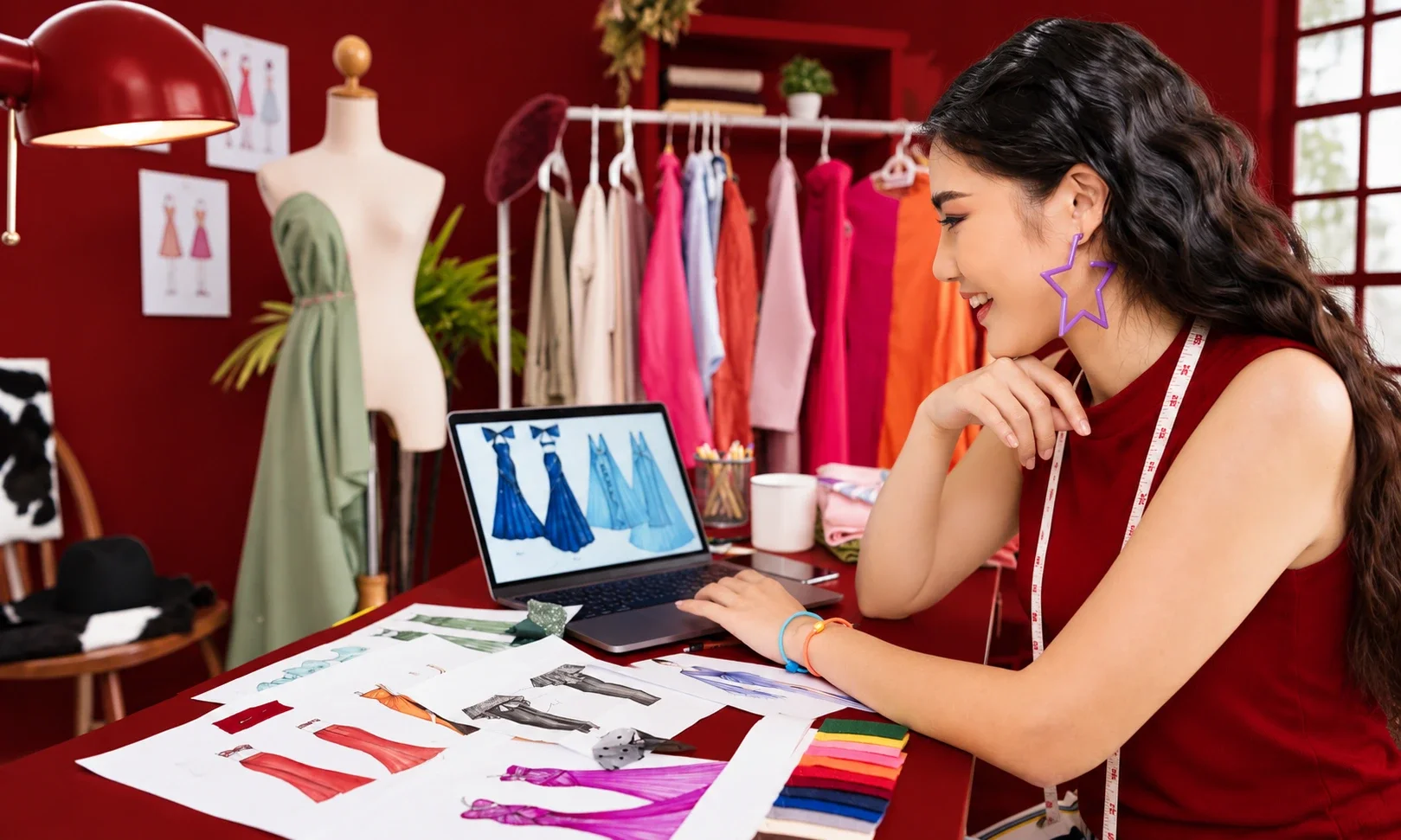
A strong campaign gives editors and audiences a specific reason to talk about the collection now. A clear hook makes a brand story timely, rather than simply turning a list of tactics into a campaign.
Judge the idea by the audience action or response it is meant to create. A runway show, press day, store opening, awards-season event or creator activation is a format. A campaign idea explains why that format fits the brand and its goal.
Fashion PR campaigns can also use editorial content, celebrity and influencer activations, and stakeholder meetings. Before choosing creators, set a goal such as awareness, sales, reach, engagement or follower growth. The audience-first brand strategy approach can help clarify the story a campaign needs to tell.
Savage X Fenty’s September 2018 New York Fashion Week runway show included models of many sizes and skin tones, including then-pregnant Slick Woods. That casting became part of what audiences could see and discuss, rather than a detail separate from the show.
Amazon Prime Video streamed the brand’s Fall/Winter 2019 show on September 20, 2019, reaching viewers in more than 200 countries and territories. The stream gave people outside the room a way to take part in the event. It was a campaign choice with a clear audience access point.
Telfar launched its Bag Security Program in August 2020 as a 24-hour preorder window with guaranteed delivery. The move addressed demand after resellers bought up stock. It gave interested customers a direct route to order, rather than relying only on limited drops.
More than five million people signed up to buy the 8,000 pairs of Air Jordan 1 OG Dior released in June 2020. Jacquemus staged its tenth-anniversary show on June 24, 2019, on a fuchsia runway through lavender fields in Valensole, Provence.
These moments show different ways a brand can create a strong audience hook, but they do not prove agency performance. Ask how the agency would adapt an idea to your product, resources and audience. Campaign planning principles also stress setting a goal before choosing channels or creators.
Ask the team to explain what audience behavior or story makes its proposed idea more than a one-off spectacle.
What Should You Ask About the Day-to-Day Team?
The people who pitch the proposal may not be the people handling your daily account. Meet the delivery team and learn who will write, pitch and respond to you.
Ask for the names and roles of the staff assigned to your account before you sign. An in-house PR team brings close access to senior management and deep knowledge of one brand. An agency can add colleagues with PR specialties and experience across several clients.
Neither model suits every business. Your in-house PR team may know small product changes as they happen, while an agency may offer more experience with several types of media work. A brand with a small staff may need outside help for a major launch, even if it handles daily communications internally.
- Who leads the day-to-day account work?
- Who writes pitches and speaks with editors?
- How often will senior staff join calls or review work?
- What approvals and information must the client supply?
The answers should name people, not just job titles or departments. Jennifer Bett Communications, founded in 2014, reports a 50-person team across New York City and Los Angeles. That company-wide number is context, not a count of the staff who would serve your account.
Ask how the agency handles staff changes and who covers urgent requests when your main contact is away. You can also compare a proposed working process with advice on choosing an agency partner that emphasizes clear roles and support.
Meet the delivery lead before you sign and ask how many accounts that person will manage.
How Will You Measure Fashion PR Results?
A useful PR report shows who noticed the brand, what they did next and whether public product information stayed accurate. Useful measures connect earned coverage to discovery and business response.
Do not judge a campaign by clip counts or impression totals alone. Track the quality and relevance of coverage, then look for signs that people searched for, visited or acted on the brand.
Measures for earned media and brand discovery
| Measure | How to track it | What it helps answer |
|---|---|---|
| Qualified coverage | Review outlet, placement and product detail | Did relevant media cover the brand? |
| Share of voice | Compare relevant mentions with named competitors | How much attention did the brand receive? |
| Branded search or referral traffic | Track search interest and site visits | Did coverage lead people to seek more? |
| Creator engagement or conversion | Track responses, clicks and orders | Did creator activity prompt action? |
| Brand lift | Use surveys or controlled tests | Did awareness, perception or intent change? |
Share of voice is the proportion of relevant media attention a brand receives compared with a defined group of competitors. Branded search and referral traffic can show whether coverage led people to explore the brand. Keep the period and comparison set consistent across reports.
Check public product pages for correct names, prices, materials, origin and availability. Also test whether ChatGPT, Perplexity and Google AI Overviews present accurate product details. A 2024 ACM KDD study found citations, relevant quotations and statistics could raise a source’s visibility in generative engine responses by up to 40%.
Measures for creator activity and business response
Engagement rate equals likes, comments and shares divided by followers, multiplied by 100. That rate shows response, but it does not prove added sales. A broader creator measurement plan can pair engagement with clicks and purchases.
Use a UTM link, promo code or dedicated landing page to track creator conversions. Cost per acquisition equals total campaign spend divided by conversions. Jennifer Bett Communications reports 8.5 million trackable click-throughs from earned coverage across its fashion roster; ask about timeframe, attribution and campaign context, rather than treating the figure as a forecast.
Agree on each metric’s baseline, reporting frequency and attribution method before the campaign begins.
What Should the Proposal and Retainer Spell Out?
A fashion PR retainer commonly falls around $5,000-$25,000 per month, with the amount moving according to scope and duration. Compare like with like, because a larger plan or longer term can change the fee.
Price the same work, term and client responsibilities before comparing agency proposals. A 5WPR beauty program starts at around $15,000 a month depending on scope. That is a beauty-program example, not a fashion-pricing benchmark.
Match the fee to the work
Ask what the monthly retainer covers and how much time the team expects to spend on your account. A proposal should connect its fee to specific activities, staff roles and planned outputs. If the work changes, ask how the agency will approve a revised scope.
Separate regular media relations from one-time event or production work. Clarify the minimum term, cancellation terms and how much time your staff must give the agency. A plan that needs frequent founder approvals may not fit a team with limited availability.
Separate included work from added costs
Do not assume the retainer covers creator fees, sample shipping, event production, travel, outside production or senior counsel. Ask for each expense to be listed as included, optional or separately billed. Also clarify who approves outside costs before the agency commits the brand.
Use these four questions to check the fee and contract:
- What exact services and staff time does the retainer include?
- Which creator, shipping, event, travel and production costs are extra?
- What are the minimum term, renewal and cancellation rules?
- What approvals, assets and staff time must the client provide?
Read the contract for ownership of campaign files, media lists and reports after the relationship ends. Note whether outside vendors bill the brand directly or through the agency. Clear terms help you judge the true cost of the work, not just the monthly number.
Compare proposals only after each agency prices the same activities, term and client responsibilities.
How Do You Check Claims and Crisis Readiness?
Crisis readiness is easiest to judge before a product claim or campaign becomes a public problem. Agree on checks for materials, origin, sustainability and product performance before the agency shares those claims.
Ask who confirms each claim with your brand and legal counsel, and who can approve a public response. The agency should know which statements require proof and where the brand keeps that proof.
Set roles for statements, customer updates and retailer communications. A product team may confirm material details, while legal counsel reviews claims about performance or sustainability. The agency should not guess when information is missing or unclear.
Balenciaga released its Gift Shop campaign on November 16, 2022, then pulled it and apologized on November 22. Those dates show how quickly a brand may need to respond once a campaign draws public concern.
On November 25, 2022, Balenciaga filed a $25 million lawsuit against production company North Six and set designer Nicholas Des Jardins over a separate Spring 2023 campaign. Balenciaga dropped that suit on December 2, 2022. The lawsuit concerned a different campaign from Gift Shop.
A university case study of Shein’s 2023 influencer brand trip examines backlash and the role of accountability and response timing. The Shein brand-trip case study shows why an agency should plan for audience response, not only event logistics.
Request a written response plan naming the decision-maker, approver and customer-update owner.
How Can You Make the Final Agency Choice?
Give every serious candidate the same brief so their recommendations can be compared on equal terms. A fair comparison tests fit, evidence, working style and written commitments.
Use the same five steps with each finalist. Ask what the team learned from its examples and how it would adapt that work for your brand.
- Send each candidate a short brief with your goals, audience and timing.
- Ask for a 90-day plan with priorities and client responsibilities.
- Review one or two relevant examples and discuss the team’s role.
- Speak with a client reference about communication and follow-through.
- Compare scope, extra costs, contract terms and team fit.
A 90-day plan makes early priorities, timing and your team’s tasks concrete. Look for realistic steps, named owners and clear points where you must approve work. Ask the agency what it would change if a launch date or product detail shifts.
Independent earned coverage cannot be guaranteed, and neither can citations in AI tools. Treat promises of guaranteed placements or AI citations as a warning, not proof of a credible plan.
Independent editorial attention is earned, not promised. A sound proposal explains the work the team controls and how it will learn from the response.
Ask each client reference about the account team’s daily communication, not just the campaign result. A good example should include the challenge, the agency’s actual role and what changed after the work began.
Choose the team whose plan is specific, whose working style fits yours and whose commitments are clear in writing.
Conclusion
Choose the partner whose proposed work fits the brand’s actual goals and capacity. A relevant plan, named delivery team, clear scope and credible measures give you a sound basis for the decision.
Your best next step is to prepare one short brief for the finalists. State what you sell, who you need to reach, what you want to achieve, when you need support and what budget you can commit.
Send your finalists the same brief and compare their first 90-day priorities before signing.