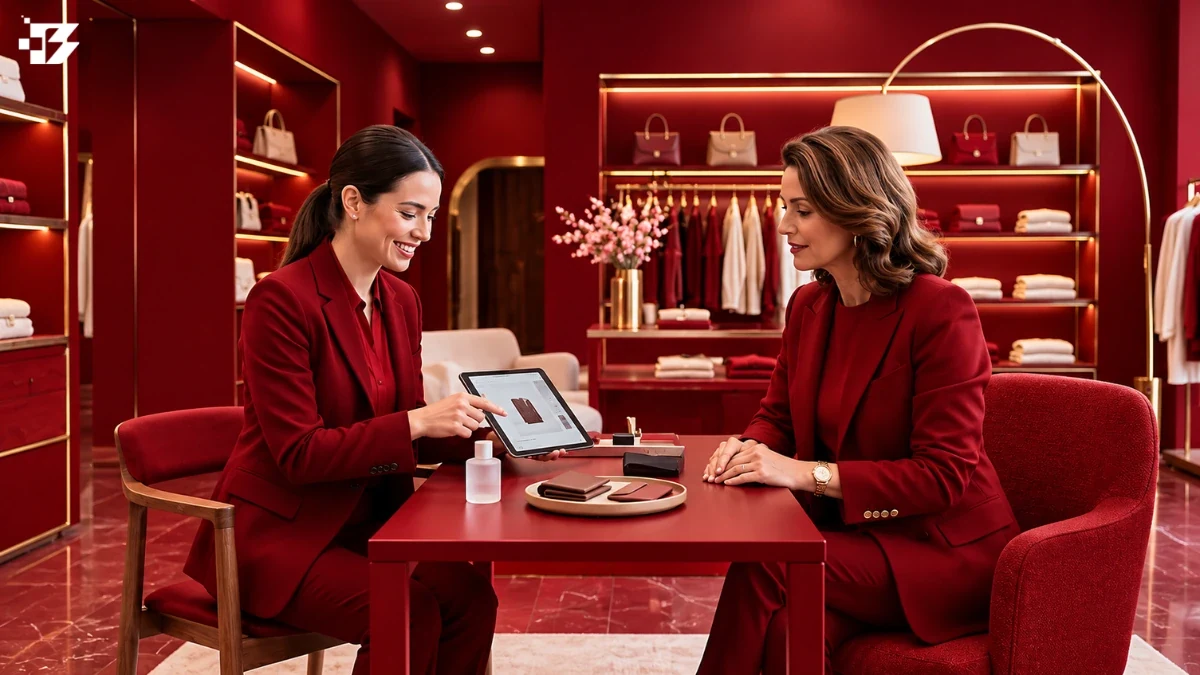
The strongest luxury appointment experience pairs easy booking with a prepared associate and personal service, while keeping the store accessible to walk-in shoppers. Clienteling means using customer history and preferences to guide proactive, personalized outreach from a sales associate. Together, these steps make a planned visit feel personal and worth the customer’s time.
For U.S. luxury retailers, appointments can support a high-touch service without changing how the whole store works. A customer may want focused help with a fitting, styling, or product choice, while another may prefer to browse alone. The visit should connect a clear way to book with thoughtful preparation, attentive human guidance, and a relevant follow-up. Appointments can complement walk-ins, not replace them. A good appointment should feel anticipated, not staged.
Key Takeaways
- Keep booking easy to find and use on a phone.
- Ask only for information that helps shape the visit.
- Prepare a relevant selection without assuming a sale.
- Give the customer focused, unhurried attention.
- Follow up with a clear reason and record the result.
- Measure attendance, purchases, and customer feedback together.
Why Do Luxury Shoppers Choose an Appointment?
Appointments are most useful when shoppers want expert help, focused attention, or a calmer setting for a considered purchase. A guided visit can serve a specific need, such as styling, a fitting, or product education, while a solo visit lets customers browse at their own pace.
Human expertise matters: 82% of U.S. consumers want more human interaction. Among surveyed luxury shoppers, 73% chose staff expertise and availability as their main reason for choosing one brand over another. A strong setting matters, too. Appointments suit considered purchases and expert-led services better than quick, routine transactions.
| Finding | Result | Retail implication |
|---|---|---|
| Staff expertise and availability | 73% ranked it first | Offer access to knowledgeable associates |
| Store preference for key purchases | 67% preferred physical stores | Make in-person service worth the trip |
| Atmosphere and aesthetics | 89% of millennial luxury consumers said they mattered heavily | Make the setting part of the visit |
Do not make every store visit appointment-only; that can deter shoppers who want to stop in spontaneously.
The physical store remains central to many luxury shopping experiences, especially when shoppers want to assess a product in person. A calm visit also gives staff room to explain craft, fit, and care without competing with a busy floor. Keep a walk-in route available for shoppers who need a quick, simple transaction.
How to Build an Appointment-Based Luxury Sales Experience Online
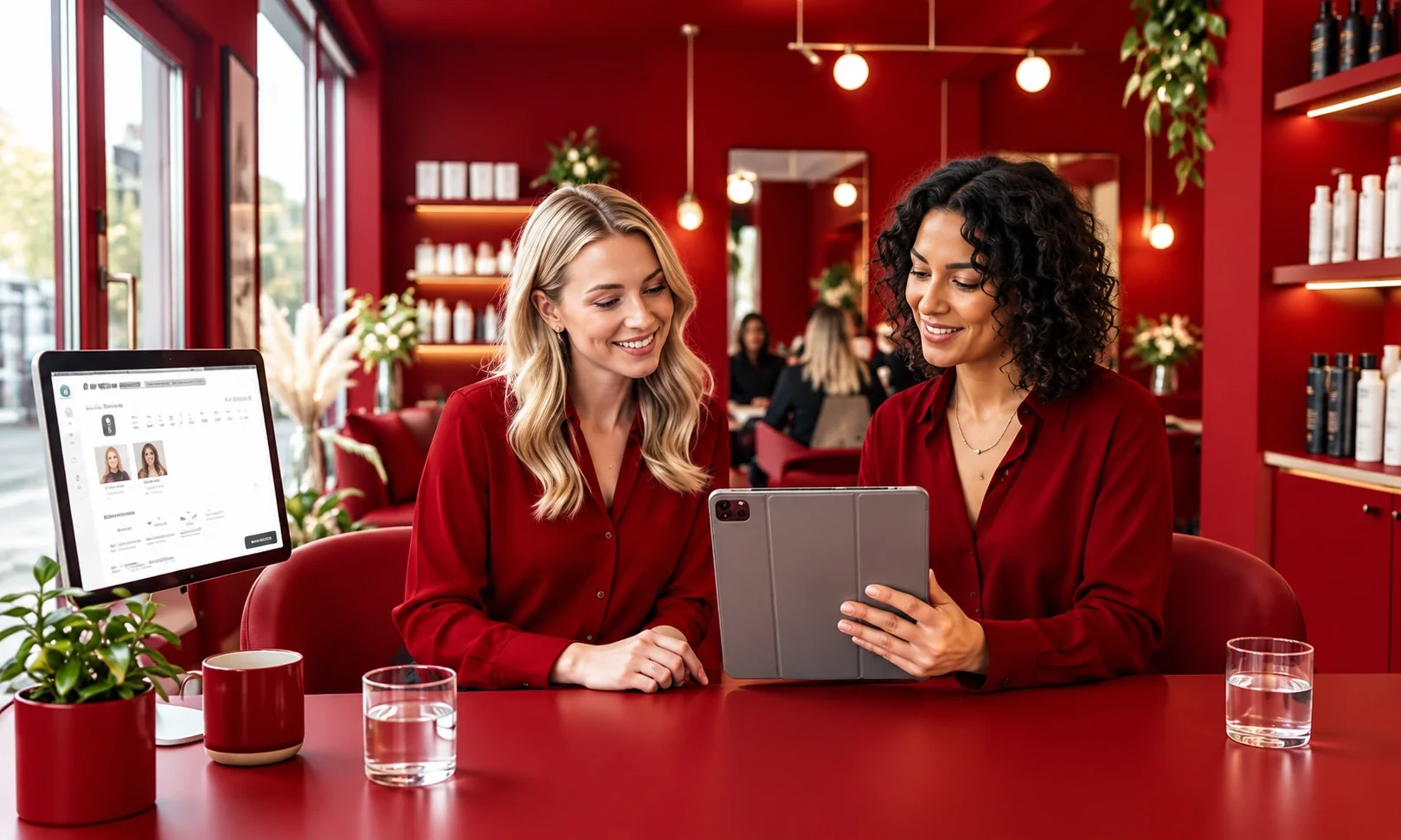
A customer should be able to find an available service and reserve a suitable time without calling during store hours. A clear booking path gives customers direct access to appointments, whether they start on a website, social profile, or phone. Make the next step easy to spot and complete.
Online scheduling lets customers book around the clock, including when the store is closed. Put the booking link where shoppers already look, and keep the page simple on a phone. These mobile-friendly design practices can help customers move through a booking form without friction.
Make booking easy to find and complete
Use a mobile-friendly booking page with clear service and location choices, visible availability, and a confirmation step. Link to it from your website and social profiles. Customers can start in several ways:
- Website
- Mobile app
- Social media
- Call-ahead system
Social media can bring a nearby shopper from discovery to scheduling without a long search. Keep the booking link close to the profile details and service information. A strong local search presence can also help shoppers find a store and its services.
Offer useful choices without overcomplicating the form
Let customers choose a service, store, and time slot without unnecessary back-and-forth. Clear options help them find a time that fits their plans. A good booking flow helps customers book online without turning the form into a barrier.
Ask for only what staff need to reserve the visit. Requiring extensive personal details before a customer can reserve a time is a specific mistake; it can stop a ready shopper from finishing. For more ideas on keeping forms clear and concise, focus on useful fields and plain instructions. Test the full booking flow on a phone before promoting it.
Which Booking Software Fits a Luxury Retailer?
For a small retailer that wants scheduling and payments in one workflow, Square Appointments is a strong starting point, while Setmore offers a no-cost option within its staff and appointment limits. The right system should suit your store’s size, daily process, and tools. Do not choose software on monthly price alone.
These listed options differ in price and stated fit. Square Appointments brings scheduling, point-of-sale (POS), and payment processing together. Setmore’s free plan supports up to four staff and 200 appointments per month, which can suit a very lean team.
| Platform | Listed price | Useful fit |
|---|---|---|
| Square Appointments | $0-$149 per month in 2026 | Scheduling, POS, and payment processing |
| Acuity Scheduling | From $20 per month in 2026 | Listed scheduling option |
| Setmore | Free plan; Pro at $12 per user monthly in 2026 | Free plan: up to 4 staff and 200 appointments monthly |
| Endear | Quote-based | Price tailored to locations, users, and contact volume |
| JRNI | Quote-based | Enterprise contracts described as tens to hundreds of thousands of dollars yearly |
Calendly enterprise plans started around $15,000 per year in 2026. Weigh Calendly and JRNI pricing against enterprise needs, not a small boutique’s budget. Check mobile use, staff calendars, POS and CRM integration, reminders, and customer rescheduling before you commit.
Payment-card workflows must follow PCI DSS requirements. The PCI Data Security Standard sets baseline rules for protecting payment account data. A trial should show how staff handle a booking from start to finish, not just how the price looks. Confirm the full staff workflow and customer booking experience in a trial before committing.
What Should Associates Know Before the Customer Arrives?
The best preparation starts with the customer’s stated reason for booking, then uses only relevant history to make the visit easier. A few useful details help staff prepare without making the customer feel watched. Collect only information that can shape the visit.
Ask only the questions that shape the visit
A short booking questionnaire can capture practical needs. Keep the questions brief and let customers skip details they would rather not share.
- Service or product of interest
- Style or use needs
- Sizing, when relevant
- Budget, if the customer is comfortable sharing it
A form should not ask for sensitive details the store does not need. This keeps the booking useful and respectful. The same care applies to any customer information collected in a form.
Prepare a relevant, discreet selection
Before the visit, an associate can review a unified customer profile that combines online and in-store purchases, preferences, and past conversations. Use CRM records to prepare a small selection that fits the customer’s stated interest. A personal touch should feel helpful, not like a display of everything the store knows.
For example, a returning client’s usual size and earlier interest in a leather tote can help staff set aside two options. That preparation does not mean the customer will buy either one. Brands using Cegid’s data-driven personalization approach reported a 25% increase in average basket size.
Treating customer information as permission to make unrelated or overly familiar recommendations is a mistake. Share only the useful notes with the assigned associate, and keep private details out of casual conversation. Give the assigned associate the customer’s useful notes before the shift becomes busy.
What Should Happen During the Visit?
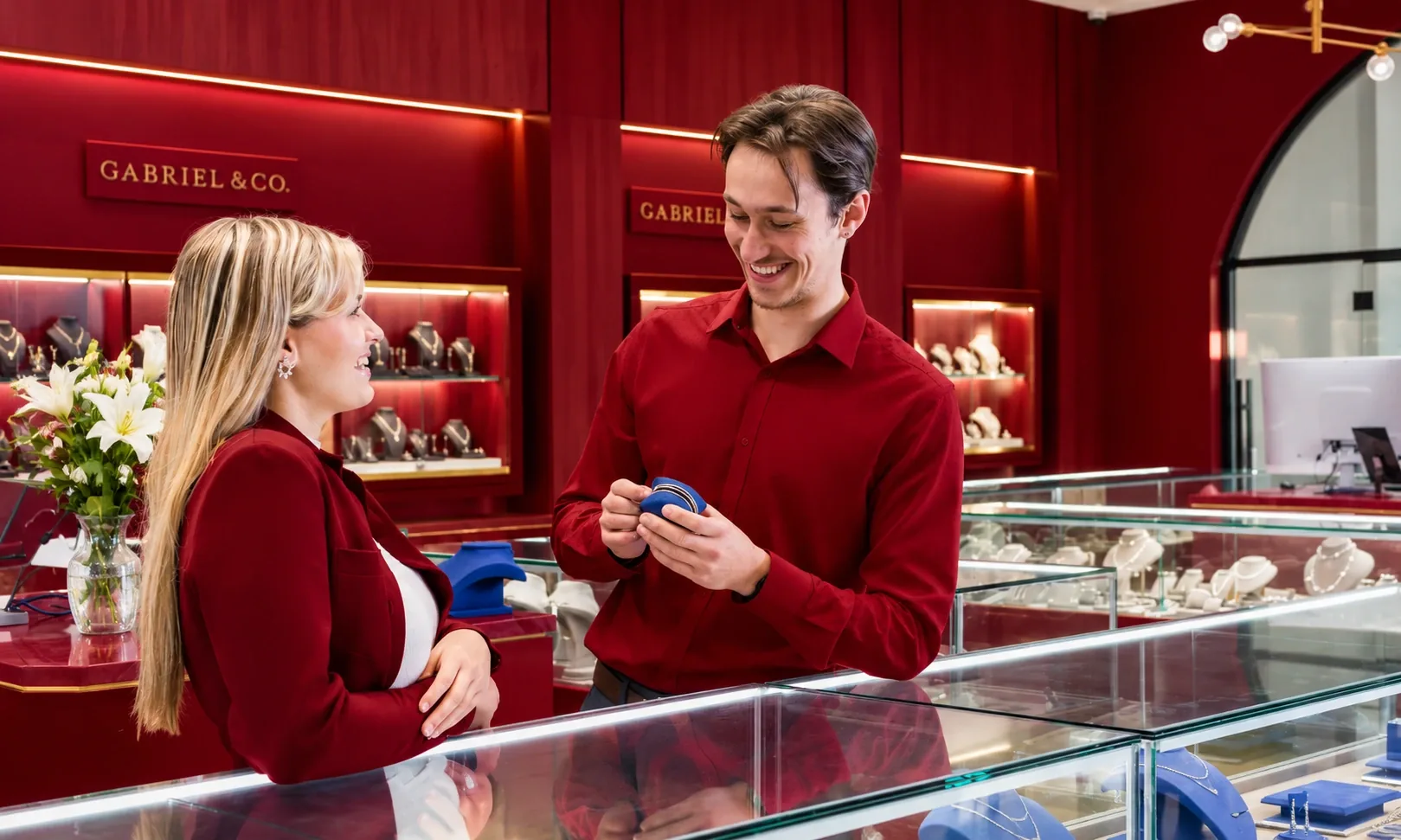
A luxury appointment works best when one associate owns the visit and gives the customer focused, unhurried attention. Start with a warm greeting, confirm the visit’s purpose and available time, then listen before recommending anything. Guide the customer without pressure.
A 30-minute appointment is a practical starting point for many retail visits. Reserve longer for detailed fittings or custom consultations, and leave a buffer between visits for reset and notes. Luxury staff benefit from product expertise, empathy, active listening, relationship-building, CRM skills, data literacy, and disciplined note-taking.
After listening, present products with useful details about craftsmanship or care. Allow time for questions and checkout, and give the customer your undivided attention. Comfortable seating or a tailored product presentation can add a discreet sensory touch that fits the brand. Luxury service works best when technology supports, rather than replaces, the human connection; see these luxury service and clienteling ideas.
Staff interruptions or an overpacked schedule can make a customer feel rushed, even when the products are right. Protect the visit from routine tasks and avoid filling every open slot. Preserve a short reset period so the next customer does not inherit a rushed setup.
How Does Clienteling Turn One Visit Into a Relationship?
Clienteling is personalized, proactive associate outreach guided by a customer’s purchase history, preferences, and prior conversations. It can turn a useful visit into an ongoing relationship through relevant contact on brand-owned channels. Use customer context to make each message worth receiving.
Follow up with a reason, not a generic message
Send a personal thank-you, a product detail the customer requested, or a note about a relevant item that arrived. A considerate message also works when a customer leaves without buying. Use the customer’s preferred brand-owned channel, such as text, email, or WhatsApp.
Purchase history, sizes, preferences, and conversation notes can guide proactive contact. Keep the message focused on the customer’s stated interest. A personalized email or other follow-up should offer something useful, not a broad sales pitch.
One global luxury fashion brand reported a 14.55% conversion rate among customers influenced by clienteling. Orders influenced through clienteling had an average order value (AOV) 1.6 times the brand’s overall AOV. Associate-led follow-up outreach converted at 59%, and the retail team completed 94.5% of its planned follow-ups.
A luxury fashion clienteling case study used a 2-5% industry benchmark for conversion among clienteled customers. That benchmark differs from the global brand’s 14.55% result, which reflects its own clienteling-influenced customers. Brands that use personalized luxury clienteling can shape contact around real customer interests.
Record outcomes so the next conversation feels personal
Log why you reached out, how the customer replied, the next step, and the outcome. Follow through when the customer asks for details or a later check-in. A personalized follow-up is not a reason to send repeated messages when the customer does not respond.
Those notes help another associate continue the conversation with care, if needed. Record the customer’s response and next step so future contact begins with context.
How Can Retailers Measure Appointment Results?
Track attendance, purchases, order value, and customer feedback together, since a full booking calendar does not by itself prove the service is working. A useful review connects how customers found an appointment with what happened afterward. Measure the whole visit, not booking volume alone.
Several beauty brands saw up to 50% of appointments booked through organic traffic, and up to 30% booked outside store opening hours. Online access can reveal demand a store might otherwise miss. A beauty-service example found that 78% of customers with appointments made a purchase.
Judge success by attendance, sales, and customer experience together, not by the number of bookings alone.
Track these five measures:
- Booking source
- Show rate, the share of booked customers who attend
- Appointment-to-purchase conversion
- Average order value compared with walk-ins
- Customer satisfaction from post-visit feedback
Automated appointment reminders raised the share of customers keeping appointments by 13% compared with the prior manual process. Include appointment details and an easy way to reschedule. Review results by service and location before changing the appointment offer.
Conclusion
A luxury appointment earns its place when the customer feels recognized and the service makes shopping easier. Easy access, prepared staff, and relevant human attention turn a reserved time into a meaningful experience. The details do not need to be elaborate; they need to fit the customer’s reason for visiting.
Choose one high-touch service to test, such as a fitting or a product consultation. Have a store leader and an associate walk through the full visit together, from booking to the final conversation. Ask one associate to test the full visit with a colleague and note what needs to change before launch.