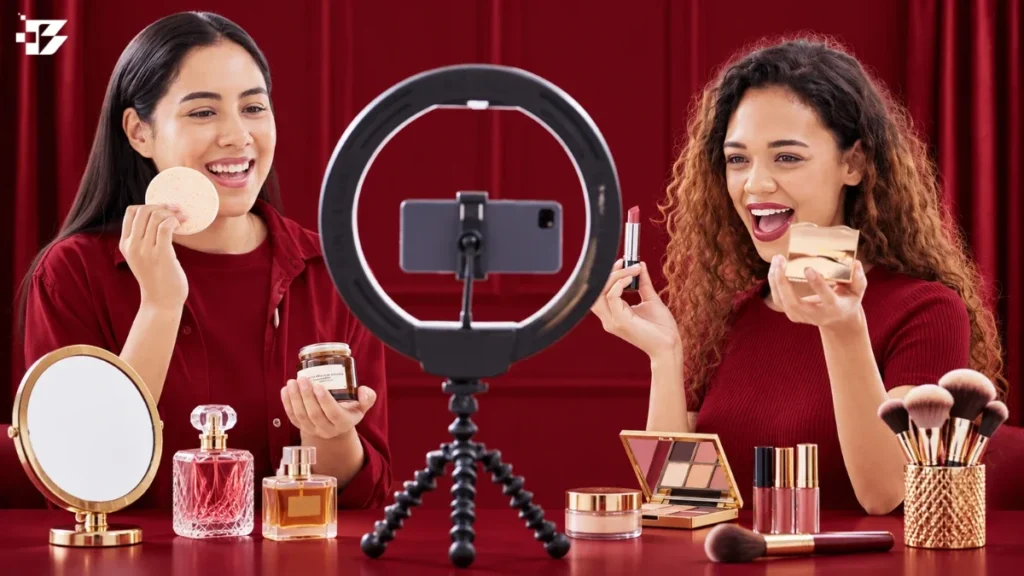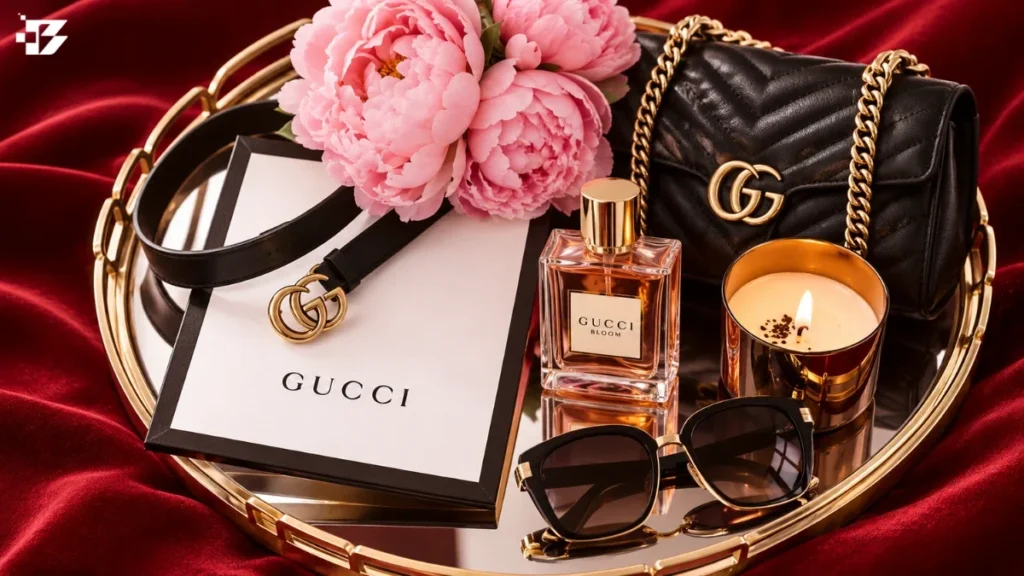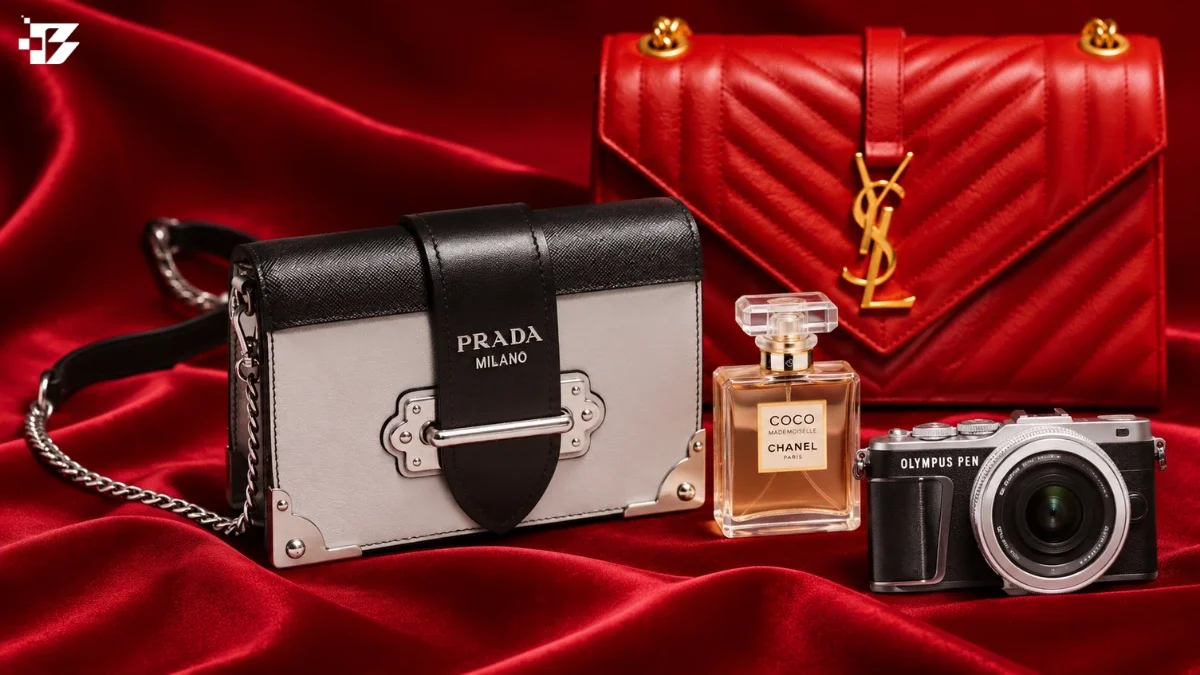
Luxury brands balance access and prestige by widening selected entry points while keeping core products, distribution, and service deliberately distinctive. This approach lets consumers join a brand’s world without making every offer equally available.
For the luxury industry, the challenge is practical: growth can bring new customers, yet broad access may weaken the cues that make a brand feel special. Selective access can come through products, digital experiences, resale, and retail service. The choice is not simply growth or exclusivity; it is where and how a brand opens the door.
This report weighs market data alongside strategies for product, price, channels, and customer experience. It considers how consumer behavior can shift across luxury tiers and what firms can track as they expand. The useful test is whether a new route brings customers closer without making every offer feel interchangeable.
Key Takeaways
- Access can grow without making every product equally attainable.
- Entry products work when their quality and identity fit the brand.
- Price, distribution, and digital design shape exclusivity in different ways.
- Resale and outlet sales do not measure demand for new goods by themselves.
- Customer perceptions and repeat behavior help test an access strategy.
How Luxury Brands Balance Accessibility and Exclusivity
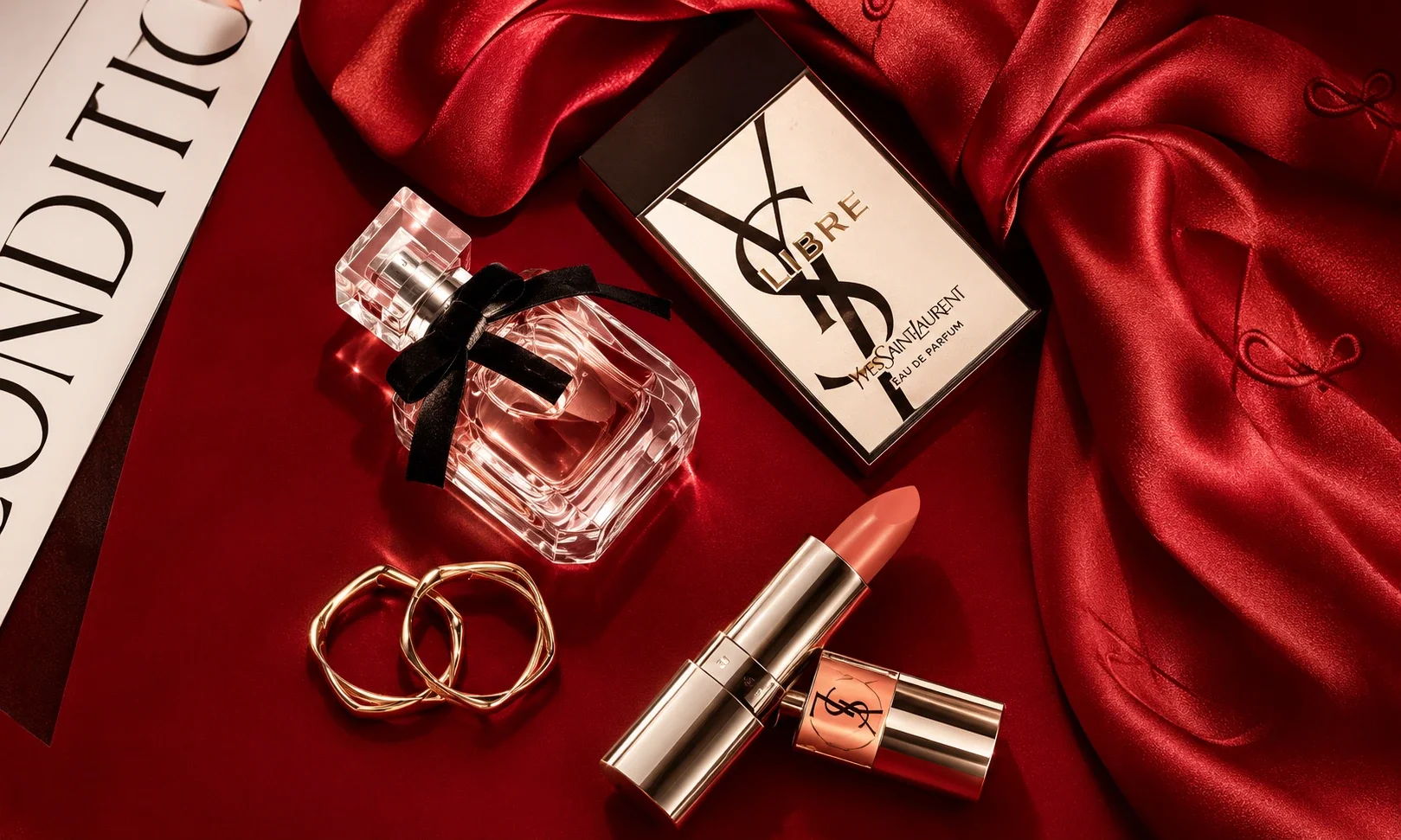
A luxury brand can be widely visible without making every product or service equally attainable. Selective access means expanding chosen products, channels, or experiences while keeping other parts distinctive.
Access to a brand’s imagery, products, and service does not require equal access to every item. Exclusivity can come from rarity, price, identity, or a controlled experience. An essay on how luxury brands balance accessibility and exclusivity should weigh broader participation against the status cues that keep an offer distinct.
How access differs from equal availability
A brand may invite more people to explore its history online, while reserving certain services for a smaller group. It may offer a lower-priced product beside a core item with different materials or design cues. These choices create more ways to engage without promising the same offer to everyone.
A useful distinction is between visibility and availability. Customers may see a product in a campaign, yet find it sold through a limited set of channels. The brand can also make service easy to reach while keeping some experiences personal or invitation-based.
How Veblen goods link price to status
Veblen goods are goods whose appeal can be reinforced by high prices when consumers use them to signal status, though this pattern is not universal. Economist Thorstein Veblen’s 1899 book The Theory of the Leisure Class helped shape discussion of status-linked consumption.
Treat status signaling as one possible source of desire, not a rule that predicts every customer’s behavior.
A high price may support a status message for some buyers, but it cannot guarantee demand. Customers also weigh design, quality, personal meaning, and the experience of owning the product. A price that rises without a clear reason can weaken trust rather than strengthen desire.
The theory is most useful when it helps explain one part of consumer behavior. It should not replace attention to customers who value craft, function, or identity more than public status.
What does the luxury market data reveal about access?
The market outlook was softer overall, but accessible-luxury brands were more likely to grow than aspirational-luxury brands. Growth prospects differed across tiers.
Bain & Company forecast global personal luxury goods sales at €358 billion in 2025, down from €364 billion in 2024. At constant exchange rates, the 2025 result would be flat. The luxury consumer base also shrank by about 20 million shoppers in 2025 compared with 2024.
Estimated brand growth varied by position. About half of accessible-luxury brands were likely to grow, compared with roughly one-quarter of aspirational-luxury brands and 35% of absolute-luxury brands.
| Luxury tier | Estimated share of brands likely to grow in 2025 | What the comparison shows |
|---|---|---|
| Accessible luxury | About 50% | Highest estimated share among the three tiers |
| Aspirational luxury | Roughly 25% | Lowest estimated share among the three tiers |
| Absolute luxury | 35% | Between accessible and aspirational luxury |
These percentages describe the estimated share of brands likely to grow, not the rate of market growth. That difference matters: a tier can have a larger share of growing brands without posting a higher total sales increase.
Consumers may also define value differently across categories and price points. The results provide market context, not a forecast for each firm or product. Read the tier comparison as a difference in brand growth prospects, not as proof that any one brand will grow.
How do extensions widen access without flattening the brand?
Extensions widen access most safely when customers can tell what has changed and what remains central to the brand. Clear separation helps a new offer find its audience without confusing the core.
A 2017 study examined product prices and category membership from ten fashion luxury brands in 2015. Most brands in that sample used distinct product and pricing strategies for original categories and extension categories. The extension should have a clear role, audience, and price position.
Brand extensions reach adjacent categories
A brand extension uses an established brand name in another product category. A fashion house entering fragrance, for example, brings its name into a category with different use, price, and buying habits.
The new category needs cues that fit the brand, while still showing why it is a separate offer. Without that distinction, customers may read the move as a change in what the original brand stands for.
Product line extensions adjust the offer within a category
A product line extension adds an offer within an existing category. A line may include more sizes, materials, colors, or functions, with a price point aimed at a different customer group.
Good design choices can make the new option feel related without making the core seem less special. A close category association creates a less obvious risk: customers may see the extension as a change to the original product, even when the brand meant it as a separate entry point.
Firms can check whether customers understand the difference in use, design, and price. A new offer that borrows every signature cue may blur the line; one with no shared cues may feel unrelated. Keep the core category’s signature product and price cues easy to recognize.
Which entry products open the door without discounting the core?
An entry product lowers the first purchase barrier only relative to the same brand’s broader offer. Relative access does not mean low cost for every buyer.
A lower-priced product can still be a major financial commitment. Entry products work best when customers see the same care in quality, design, and brand identity that they expect elsewhere. “Accessible” needs a named customer and comparison point.
- Fragrance
- Cosmetics
- Small leather goods
- Keychains or other small accessories
These categories can offer a first purchase without changing the price or role of the core category. Their price and function should make sense on their own, rather than relying only on the name on the package.
In November 2026, Louis Vuitton’s U.S. website listed the Nano Speedy at $2,470 and the Keepall Bandoulière 35 at $3,300. Those listed products show that a brand’s entry point can still carry a high price; they are not universal benchmarks.
Customers compare value with their own budgets and with other products in the same category. A product may be less expensive than a brand’s larger bag, yet remain out of reach for many shoppers. Describe access against a clearly named reference point, such as the brand’s core category.
What do luxury price increases communicate?
A price increase can reinforce exclusivity, but the increase alone cannot guarantee that customers see more value. Value still matters alongside price.
Customers may accept higher prices when they see strength in design, quality, service, and desirability. A price rise without those supports can weaken brand perceptions. Chanel’s U.S. bag changes in September 2026 show how the same dollar increase can create different percentage moves.
| Chanel model | Prior U.S. price | September 2026 U.S. price | Increase |
|---|---|---|---|
| Mini Flap Bag | $5,900 | $6,200 | $300 or 5% |
| 7.7 x 12.6 x 3.9-inch Maxi Flap Bag | $8,500 | $8,800 | $300 or 3.5% |
| 10.2 x 5.2 x 4.3-inch Maxi Flap Bag | $9,300 | $9,600 | $300 or 3.2% |
| Chanel 25 Mini | $6,300 | $6,600 | $300 or 4.8% |
| Chanel 25 Large | $7,500 | $8,100 | $600 or 8% |
The Chanel 25 Small rose from $6,700 to $7,000, a $300 increase, or 4.5%. The Chanel 25 Medium rose from $7,000 to $7,400, a $400 increase, or 5.7%.
A price change also affects customers differently by model and budget. The bag’s materials, construction, and place in the range shape how buyers read the new price. Compare percentage changes as well as dollar changes, since the same $300 increase produced different percentage moves.
How does controlled distribution make access selective?
Selective distribution controls where a product can be bought, not necessarily how many customers want it. Channel rules can distinguish a product without proving that it is always scarce.
Hermès leather goods are available exclusively at Hermès stores and Hermes.com. Kelly, Birkin, and Constance handbags are sold exclusively in Hermès stores. Those rules describe channels, not a promise that a product is unavailable or that buyers must meet an unstated condition.
Brands may choose different distribution tools:
- Direct-to-consumer channels
- Selected retail partners
- Private client appointments
- Limited-edition releases
Each mechanism shapes the buying experience in a different way. Direct sales give a firm more control over service, while selected partners can extend reach. Appointments offer personal attention, and limited releases set a defined window or quantity.
The Birkin began in 1984 after Jane Birkin spoke with Hermès Executive Chairman Jean-Louis Dumas on a flight from Paris to London. Its origin gives historical context, but it does not establish a current sales policy.
Customers benefit when channel information is plain and easy to find. State the channel rule precisely and do not turn it into an unsupported claim about purchase eligibility.
What role do resale and outlets play in access?
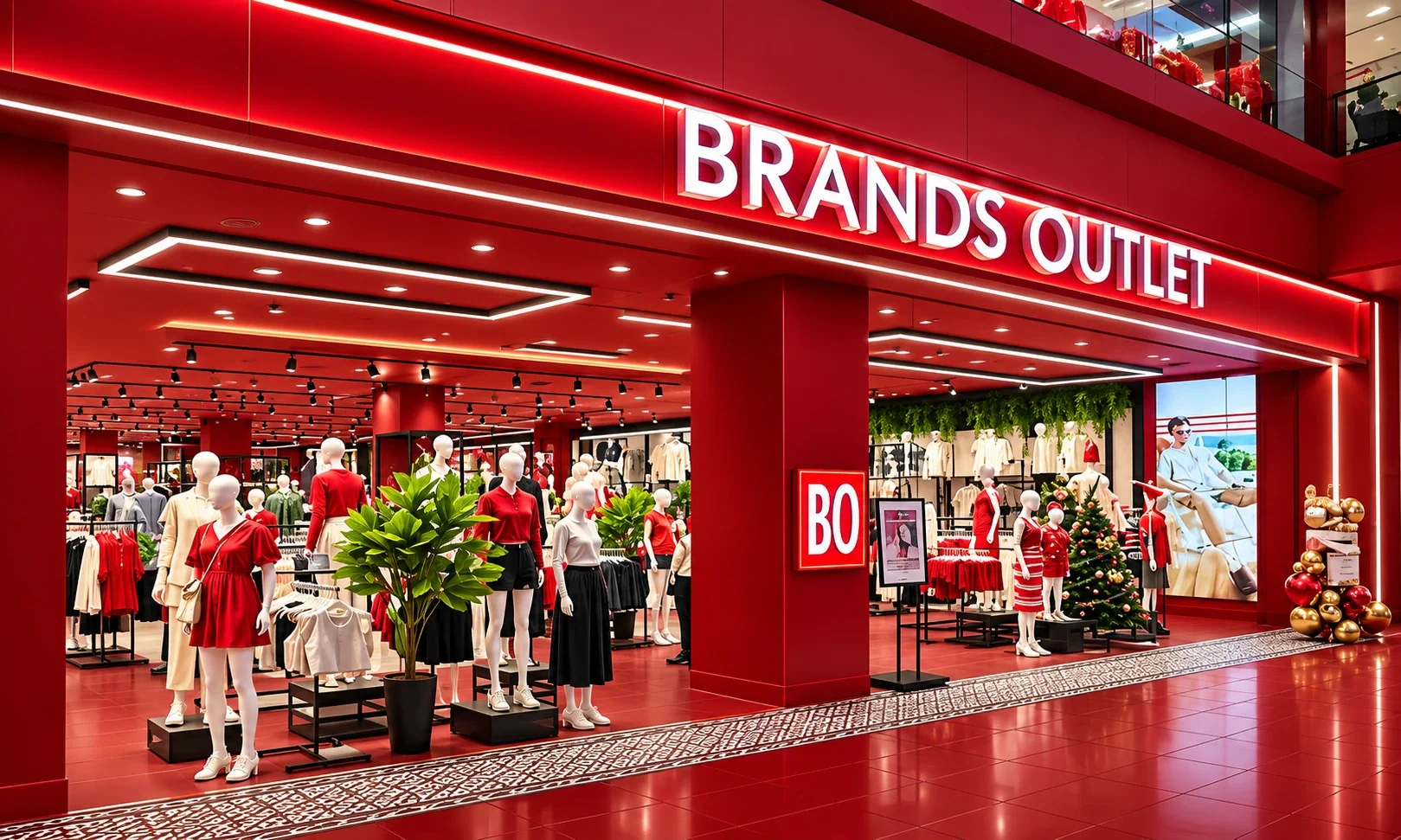
Resale and outlets both answer consumers’ demand for value, but they connect shoppers to different parts of the luxury offer. One sells pre-owned goods, while the other offers a separate retail format.
Secondhand luxury goods sales reached an estimated €50 billion globally in 2025, rising by 4% to 6% and outpacing sales of new luxury goods. Luxury outlets remained in growth mode that year as other physical retail formats weakened and consumers sought value.
Resale gives customers access to previously owned products at different price points. Condition, age, and demand can shape a particular item’s value. Resale can widen brand access while drawing attention away from new-season products.
Outlets address value-seeking shoppers through physical stores that sit apart from a brand’s main retail experience. They may appeal to buyers who want a lower price or a different shopping setting. That channel does not tell a firm how customers view its newest products at full price.
These routes can serve different needs within a broad consumer base. A shopper may choose resale for a past-season bag and later buy new, or use an outlet as a separate way to shop. The pattern does not prove that one channel replaces another.
Sales in either channel need careful reading. Resale tracks demand for secondhand goods, while outlet growth reflects a physical retail format. Treat secondhand reach and outlet growth as separate channel signals rather than interchangeable evidence of demand for new goods.
How should luxury brands design e-commerce access?
E-commerce can make luxury easier to reach without making every digital experience identical. Good online access joins useful information with a brand’s own point of view.
In 2025, e-commerce accounted for about 20% of global personal luxury goods sales, or roughly $85 billion. Brand-operated online stores gained traction among aspirational clients through AI-enhanced experiences and personalization, while many multibrand platforms continued to struggle.
Brand-owned sites combine access with control
A brand-owned store lets a firm set its product range, website design, and service details. It can tailor product suggestions and give customers a direct way to learn about its goods. Control over the site also means responsibility for the full online experience.
Multibrand platforms widen discovery but share the experience
Multibrand sites can help customers discover labels in one place. The tradeoff is that each brand shares the site’s layout, service standards, and customer journey with other sellers.
| Channel | Access and discovery | Brand control | Key tradeoff |
|---|---|---|---|
| Brand-owned store | Direct access to one brand | High control over range and site | Brand manages the full service journey |
| Curated multibrand platform | Several selected brands in one place | Shared presentation | Discovery comes with less control |
| Broad marketplace | Many sellers and product types | Limited control over setting | Wide choice can dilute a distinct presentation |
A 2018 Farfetch case study found that product range, website design, delivery, and return policies shape luxury e-commerce. The user experience does not end when a customer reaches checkout.
Clear photos and product details can support shoppers who plan to visit a store before buying. A useful site should make product information easy to read and navigation simple to use. These basics matter more than effects that distract from shopping.
Luxury brands can also apply ideas from luxury brand marketing trends to digital service and personalization. Treat delivery and returns as part of brand experience, not as back-office details.
Which digital strategy fits each brand position?
Digital strategy worked differently for the three brands tested, with openness favoring Louis Vuitton and selective access favoring Chanel and Hermès. The right fit depends on the position customers already expect.
A study dated October 31, 2025, paired choice-based conjoint analysis with competitive equilibrium modeling. It tested Louis Vuitton, Chanel, and Hermès with 310 high-net-worth U.S. consumers. The results describe modeled choices for those brands and respondents, not a rule for every luxury firm.
Louis Vuitton benefits from digital openness in the simulation
The simulation found that Louis Vuitton benefited from digital openness. This result suggests that broad digital access can fit a brand when customers value an open online presence and easy discovery.
Openness does not require a brand to make every service identical. Product choice, clear information, and a coherent customer experience still shape how the site feels.
Chanel benefits from selective community engagement
Chanel benefited from selective community engagement in the modeled setting. That approach gives chosen groups a more focused role while keeping the wider brand visible.
Community features may include content or experiences with a defined audience. The key is that the access choice supports the brand’s position rather than adding a digital layer without purpose.
Hermès benefits from invitation-only digital experiences
Hermès benefited from invitation-only digital experiences in the simulation. This outcome reflects the tested model, not a claim about every Hermès service or sales channel.
Because the study used a specific sample and three named brands, firms should not copy its results without testing their own customers. A different audience may respond to a different level of access. Match digital openness to the brand’s position and customer expectations rather than copying a rival’s playbook.
How can social media widen reach without oversharing?
A luxury brand can use social media to invite attention without making every part of its world public. Visibility has limits that brands can set through content, timing, and access.
Social platforms can show a campaign or a product without revealing every process or customer interaction. A brand can also choose a posting pace that feels deliberate. Reach does not require full disclosure.
- Broad campaign visibility
- Limited behind-the-scenes content
- Private or invitation-based content
- Selective posting cadence
Fashion coverage has described Louis Vuitton’s social presence, Bottega Veneta’s decision to leave social media, and the digital visibility of Loewe and Celine. These are different levels of visibility, not a ranking of success.
A U.K. survey found that 54% of millennials felt a luxury brand loses appeal when it becomes accessible, compared with 32% of Boomers. Those figures describe U.K. groups, not U.S. consumers, and reflect views rather than buying behavior.
Brands can still work on discovery without exposing every detail. Practical social media visibility practices can help content reach interested users. Keep the level of disclosure consistent with the kind of relationship the brand wants to build.
How can stores make inclusivity feel exclusive?
A store can feel welcoming without giving every customer the same level of access to every service. Good retail design can pair home-like intimacy with clear commercial service.
Domestic logic means intimacy, familiarity, and home-like cues. Market logic means commercial exchange and service efficiency. A 2025 luxury-retail study found three ways stores can bring these logics together.
| Approach | How the two logics meet | Customer experience |
|---|---|---|
| Disguise | Market activity sits under domestic cues | Service feels informal within a home-like setting |
| Hybridization | Domestic and market cues blend | Shopping and hospitality share the space |
| Juxtaposition | The two logics occupy distinct parts | Customers can read each area’s purpose |
The researchers interviewed retail managers, sales associates, and retail architects. They also observed customers and staff in luxury stores. Home-like design cannot replace respectful service or clear product information.
Disguise may soften the feel of a sales exchange, while hybridization combines comfort with practical service. Juxtaposition makes the shift between welcome and transaction easier to see. Each approach can support a different store plan.
Staff behavior matters as much as the room. A calm welcome should not depend on a customer’s clothing or confidence, and product details should be easy to get. A warm setting works best when the service remains clear, attentive, and consistent.
Store teams can make a space feel intimate while still serving a broad range of visitors. The test is whether people can ask questions and get useful answers without pressure.
How do heritage and craftsmanship protect a brand’s identity?
Heritage protects identity when customers can connect the story to something they can recognize in the product or experience. Proof in the product gives a brand story weight.
Craft, design, and service can make a brand’s history visible. Heritage language feels generic when it lacks a clear link to product qualities. Different brands use distinct ways to signal identity.
| Example | Distinctive cue | How it can widen or limit access |
|---|---|---|
| Loro Piana | Craftsmanship and design storytelling | Shows product value through materials and making |
| The Row | Minimal logos and limited publicity | Builds distinction through restraint and low visibility |
| Ralph Lauren Polo | Lower-priced line in a broader brand portfolio | Reaches a wider price range within the brand |
Loro Piana’s emphasis on craft and design storytelling makes the product itself central to the message. The Row uses minimal logos and limited publicity. Ralph Lauren’s Polo line offers a lower-priced option than its traditional collection.
These are different positioning choices, not one formula. A firm may use visible logos to make a brand easy to recognize, or limit them to emphasize design. A lower-priced line can widen reach, but it needs a clear place in the wider portfolio.
Customers should be able to connect a claim about heritage with something they can see or feel. Link every heritage claim to a specific design, craft, or service cue.
How should service change for different customer tiers?
Personalization feels valuable when it removes friction without making customers feel watched. Helpful service responds to a need without assuming every customer wants the same contact.
Some shoppers need clear product details; others value help comparing options or arranging delivery. Personalization should make a choice easier, not turn every action into a sales lead.
- Tailored product recommendations
- Clear product descriptions
- Named or personal delivery touches
- Private client appointments
Mr Porter is described as personalizing product recommendations, descriptions, and delivery. These touches can reduce effort when they answer a customer’s actual question.
Swatch Group used Instagram sparingly to learn from audience responses. That approach treats social activity as a way to listen, rather than a reason to contact every person directly.
Brands can draw on clear brand positioning and tailored communication when shaping service for different needs. A customer should be able to tell what information the firm uses and how to limit follow-up.
Personal contact can help with a complex product or a planned visit. It can also feel intrusive when a brand tracks behavior without clear value. Give customers a clear way to control how much personal contact they receive.
How can a brand tell whether its balance is working?
A balance is working when more customers can engage while core customers still recognize a reason to stay. Both sides matter: access should grow without erasing distinctiveness.
Firms can track customer satisfaction, recommendation intent, repeat visits, and perceived difference from other brands. Net Promoter Score, or NPS, tracks a customer’s stated likelihood of recommending a brand. NPS measures stated intent, not the strength of the whole brand.
Track customer and brand signals
Customer research can show whether people understand what makes the brand distinct. Repeat visits and comments about design or service add context to a rating. A change in one measure should not stand in for every customer’s view.
Teams can compare feedback from newer customers with feedback from long-term customers. If new buyers feel welcome while loyal buyers still value the core offer, the initiative may be reaching both groups.
Compare access with long-term commercial outcomes
Acquisition and conversion show whether an initiative brings people in and helps them buy. Retention, full-price purchases, and customer lifetime value show whether those relationships last. CLV estimates the expected value of a customer relationship over time.
NPS and CLV answer different questions. NPS captures stated recommendation intent; CLV estimates the expected commercial value over time. Neither is stand-alone proof of brand strength.
Firms can set a time period and compare the same customer groups before and after a change. This helps separate a short spike in attention from repeat behavior. Review customer perceptions alongside repeat behavior before expanding an access initiative further.
What signs suggest a brand is becoming too accessible?
A brand may be reaching too far when its entry offers become easier to understand than the qualities that make the core distinctive. Look for a mismatch between reach and meaning.
Three warning signs can help teams spot that gap:
- Discounts become the main reason customers choose the brand.
- Entry offers lack a clear difference from the core.
- Scarcity claims have no matching product or service difference.
Tiffany’s mass-merchandising campaign in the 1990s stressed affordability while retaining luxury-style store displays. The example shows how value messaging can exist beside luxury cues, though the mix may shift customer expectations.
A 2021 study across bags, wine, and cruises found natural rarity linked to stronger luxury perceptions in all three categories. Perceived exclusivity mattered for bags and wine, while virtual rarity was not significant across the categories.
Check whether customers can name a product or experience difference, not just a price or scarcity claim.
Rarity is one source of luxury perception, not the only one. Research on democratization also finds that broader access can lower pride of ownership for some traditional luxury customers. Firms should test how actual customers respond before adding more reach.
A claim about limited access carries more weight when customers can connect it to a real difference. The same check applies to price, materials, service, and design.
Conclusion
Strong luxury positioning is not a choice between growth and distinction; it depends on how deliberately each is managed. Luxury brands can widen access while keeping their identity clear when each new offer has a recognizable role.
The next step is to choose one access initiative and define the customer group it serves. Before expanding, set one customer measure and one commercial measure against which the initiative can be reviewed.