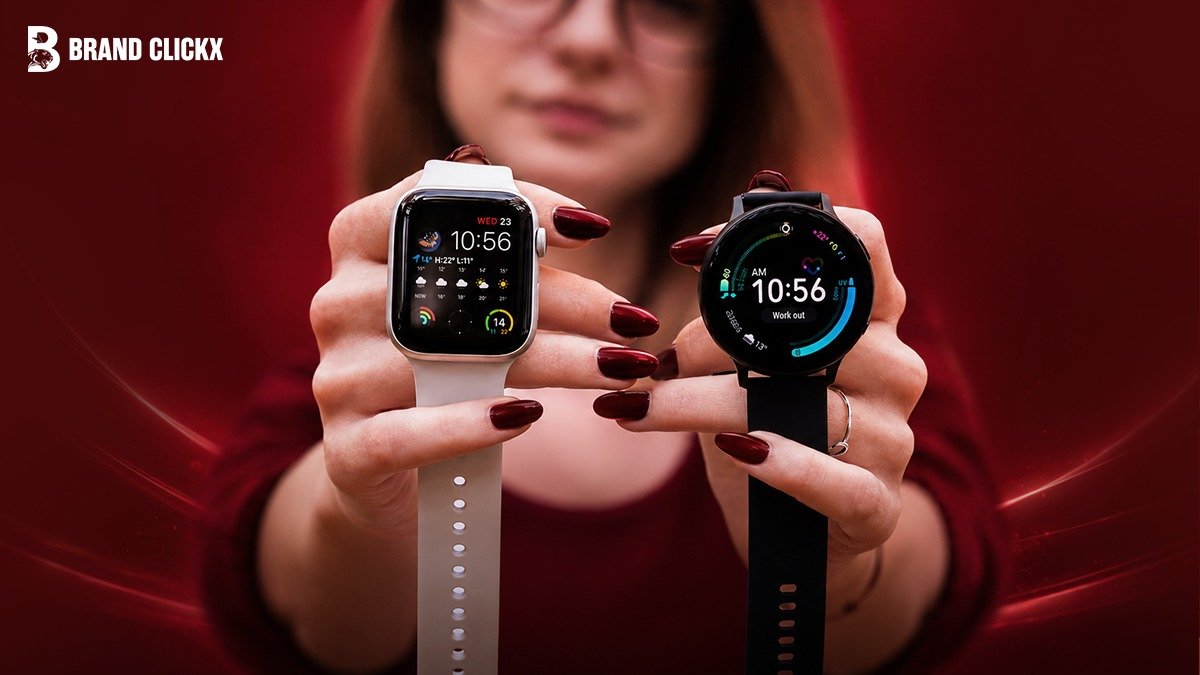
Have you ever wondered who can access your smartwatch data?
You glance at your smartwatch dozens of times a day. It tracks your heart rate, sleep, workouts, and even your location. Most people trust these devices without thinking about what happens to that data once it leaves the watch.
That’s why transparency reports on smartwatches have become an important privacy topic. These reports reveal how companies handle government requests for user data, what information may be shared, and how committed they are to protecting your privacy. In this article, you’ll learn which smartwatch brands publish transparency reports, why they matter, and what they reveal about your personal data.
AI Overview
Transparency reports on smartwatches are public reports that explain how companies respond to government and law-enforcement requests for user data. As of July 2026, Apple and Google are the only major wearable companies publishing formal transparency reports. Most smartwatch brands still provide little or no public reporting about these requests, making transparency an important factor when comparing wearable devices.
Key Takeaways
- Transparency reports show how companies handle government requests for user data.
- Apple and Google currently lead the wearable industry in transparency reporting.
- Most smartwatch brands still do not publish dedicated transparency reports.
- Only Apple Health offers end-to-end encryption by default for supported Health data.
- Transparency reports help users understand how their personal information may be accessed.
- Privacy policies and transparency reports are different documents with different purposes.
What are transparency reports on smartwatches?
Transparency reports on smartwatches are public documents published by wearable companies that explain how often governments request user data, what types of information are requested, and how the company responds. They improve accountability by giving users greater visibility into how their data is handled.
What Are Transparency Reports on Smartwatches?
A transparency report is a public record that summarizes requests for user data made by governments, law enforcement agencies, or other authorities.
For smartwatch companies, these requests may involve account details, device identifiers, location history, or health information such as heart rate, sleep data, and activity records. The reports usually explain how many requests were received, how many were approved, challenged, or rejected, and whether users were notified when legally allowed.
Unlike a privacy policy, which explains how a company collects and uses your data, a transparency report focuses on external requests for that data and the company’s response.
Why Transparency Reports on Smartwatches Matter
Smartwatches collect some of the most personal information you own. Beyond fitness tracking, they can reveal daily routines, sleep habits, travel patterns, and sensitive health metrics.
Without transparency reports, users have little idea how frequently companies receive requests for this information or how they respond. Public reporting helps build trust and allows researchers, journalists, and customers to hold companies accountable.
Just as importantly, transparency encourages better privacy practices. Companies that openly disclose government requests are often under greater pressure to improve encryption, user notifications, and data protection over time.
How Transparency Reports Work
Although each company follows its own process, the basic workflow is similar:
- A government agency submits a legal request.
- The company’s legal team reviews its validity.
- The request may be approved, narrowed, challenged, or rejected.
- If disclosure is required, only the requested data is provided.
- Aggregate statistics are later published in a transparency report instead of individual cases.
This process helps users understand overall trends without exposing anyone’s personal information.
Transparency Reports on Smartwatches by Major Brands
Not all smartwatch companies are equally transparent. Some publish detailed reports every year, while others provide only basic privacy policies or no public reporting at all.
Comparison Table
| Brand | Transparency Report | End-to-End Encryption | User Notification* | Current Status |
| Apple Watch | Yes | Yes (Apple Health) | Yes | Industry leader |
| Google / Fitbit | Yes | No | Yes | Strong transparency |
| Oura | No | No | Evaluating report | Improving |
| Whoop | No | No | Yes | Partial transparency |
| Garmin | No | No | Not clearly stated | Limited |
| Polar | No | No | Not clearly stated | Limited |
| Suunto | No | No | Future consideration | Limited |
| Amazfit | No | No | Not publicly stated | Limited |
*Where legally permitted.
Apple Watch: The Current Privacy Leader
Apple is one of only two major wearable companies that publishes regular transparency reports covering government requests.
Its biggest privacy advantage is Apple Health’s default end-to-end encryption. When enabled, even Apple cannot read much of your Health data because only your trusted devices hold the encryption keys.
Strengths
- Biannual transparency reports
- End-to-end encrypted Health data
- User notification where legally allowed
- Option to keep Health data on the iPhone without iCloud syncing
Limitation
Once you share Health data with third-party apps such as Strava, Apple’s encryption protections may no longer apply.
Google and Fitbit
Google also publishes a Transparency Report, which covers government requests for Google accounts, including Fitbit services.
This gives Fitbit users more visibility than most competing brands. However, unlike Apple, Google can still access stored health data because it does not provide default end-to-end encryption for Fitbit health records.
Best For
- Users who value public reporting
- Android ecosystem users
- Fitbit owners wanting greater accountability
Limitation
Health information is encrypted during storage and transmission, but Google can still access it when legally required.
Why Most Smartwatch Brands Still Fall Behind
The biggest surprise isn’t that Apple and Google publish transparency reports.
It’s that most leading smartwatch companies still don’t.
According to the Electronic Frontier Foundation (EFF), Garmin, Polar, Amazfit, Coros, Hume, and several other major wearable brands currently publish no formal transparency reports. Some companies didn’t even respond to researchers’ questions.
That leaves users without clear answers about:
- How often governments request smartwatch data
- Whether requests are challenged
- Whether users receive notifications
- How much health data is disclosed
Oura and Whoop: Moving in the Right Direction
Oura hasn’t released a transparency report yet.
However, the company updated its privacy policy in June 2026 and confirmed it is actively evaluating publishing one in the future.
Whoop follows a slightly different approach.
Although it doesn’t publish transparency reports, it states that users will be notified about law-enforcement requests whenever legally possible.
These steps improve accountability, but they still don’t replace public reporting with real numbers.
Transparency Report vs. Privacy Policy
Many people confuse these two documents.
They serve different purposes.
| Transparency Report | Privacy Policy |
| Shows government data requests | Explains data collection |
| Includes request statistics | Explains how data is used |
| Focuses on accountability | Focuses on company practices |
| Updated periodically | Updated when policies change |
A company may have an excellent privacy policy while publishing no transparency report at all. That’s why both documents matter when evaluating smartwatch privacy.
What Information Do Transparency Reports Usually Include?
A good transparency report does more than confirm that requests exist. It explains how a company handles them.
Most reports include:
- Government and law-enforcement requests
- Number of accounts or devices affected
- Countries where requests originated
- Percentage of requests fulfilled
- User notification policy
- Types of data requested, where permitted
These details help you judge whether a company values openness or simply meets the minimum legal requirements.
The Biggest Privacy Gaps in the Smartwatch Industry
Recent research shows that transparency is still the exception rather than the rule.
The Electronic Frontier Foundation (EFF) reviewed 10 major wearable companies and found that only Apple and Google publish formal transparency reports. The remaining eight brands either publish very limited information or none at all.
The biggest gaps include:
- No public reporting on government requests
- Limited user notification policies
- Weak disclosure about third-party data sharing
- Few local-only storage options
- Lack of end-to-end encryption
For users, this means it’s often impossible to know how their data is handled after it reaches company servers.
Real Examples of Why Transparency Matters
Transparency isn’t just about company reputation.
It affects real people.
Wearable data, including heart rate, movement, and location history, has already been used during criminal investigations. Transparency reports help the public understand how frequently companies receive these requests and whether they challenge them when appropriate.
Without public reporting, users have no reliable way to measure how often this happens.
Who Should Choose a Privacy-Focused Smartwatch?
A transparency report may not matter to every buyer.
For some users, however, it should be one of the first things they check.
Best suited for
- Healthcare professionals
- Journalists
- Lawyers
- Business executives
- Frequent travelers
- Privacy-conscious users
- Anyone storing sensitive health information
Less critical for
- Casual fitness users who don’t store sensitive data
- People who primarily use their watch for notifications or workouts
Even then, stronger privacy protections are always a bonus.
Common Mistakes People Make
Many buyers assume a smartwatch is private simply because it’s made by a well-known brand.
That’s not always true.
Avoid these mistakes:
- Assuming a privacy policy equals a transparency report.
- Ignoring whether health data is encrypted.
- Connecting unnecessary third-party apps.
- Never reviewing account privacy settings.
- Believing every smartwatch company publishes transparency reports.
How to Evaluate a Smartwatch Before Buying
Instead of comparing only battery life or fitness features, compare privacy practices too.
Use this simple checklist.
Privacy Checklist
- Does the company publish a transparency report?
- Is health data end-to-end encrypted?
- Can you disable cloud syncing?
- Does the company notify users about legal requests?
- Is third-party data sharing clearly explained?
- Does the brand regularly update its privacy policies?
Answering these questions gives a much clearer picture of how your personal information will be treated.
Future of Transparency Reports on Smartwatches
The industry is moving slowly, but the direction is clear.
Privacy researchers expect transparency reporting to become a stronger competitive advantage over the next few years. Companies such as Oura and Suunto have already indicated they are considering publishing more detailed transparency information.
Growing regulatory pressure and increasing public awareness are also likely to encourage better reporting standards across the wearable industry.
Practical Steps You Can Take Today
You don’t have to wait for industry-wide improvements.
You can reduce your privacy risk now.
- Choose brands with proven transparency practices.
- Enable every available security feature.
- Review app permissions regularly.
- Remove apps you no longer use.
- Share health data only with services you trust.
- Read both the privacy policy and the transparency report before buying.
These small habits can significantly improve your control over personal data, regardless of which smartwatch you wear.
Conclusion
When I first mentioned that your smartwatch quietly collects information throughout the day, the goal wasn’t to create concern. It was to highlight something many people never think about until they start comparing privacy practices.
Today, transparency reports on smartwatches are one of the clearest signs that a company is willing to be accountable. Apple and Google currently set the standard, while many other wearable brands still have a long way to go before offering the same level of openness.
Before buying your next smartwatch, look beyond battery life and fitness features. Check whether the company explains how it handles government requests, protects health data, and communicates with users.
The best smartwatch isn’t always the one with the most features. It’s the one you can trust with your most personal information.
Frequently Asked Questions
What are transparency reports on smartwatches?
Transparency reports on smartwatches are public documents that explain how companies respond to government and law-enforcement requests for user data. They usually include the number of requests received, how many accounts were affected, and whether data was disclosed. These reports help users understand how responsibly a company handles sensitive information.
Which smartwatch companies publish transparency reports?
As of July 2026, Apple and Google are the only major wearable companies that publish formal transparency reports covering government data requests. Google’s reporting also extends to Fitbit services. Most other leading smartwatch brands have not yet released comparable reports.
What’s the difference between a transparency report and a privacy policy?
A privacy policy explains what information a company collects, how it uses that data, and who it may share it with. A transparency report focuses on government and law-enforcement requests, showing how often they occur and how the company responds. Reading both documents provides a much clearer picture of a company’s privacy practices.
Can governments request smartwatch data?
Yes. Law enforcement and government agencies can request smartwatch-related information through legal processes such as subpoenas, warrants, or court orders. Whether data is disclosed depends on local laws, the company’s policies, and whether the information is protected by encryption.
Which smartwatch offers the best privacy?
Based on current public information, Apple Watch offers the strongest overall privacy among mainstream smartwatches. It combines regular transparency reports with end-to-end encryption for supported Apple Health data and gives users more control over cloud syncing. Other brands continue improving, but most have not reached the same level of transparency.
Do Garmin, Polar, or Amazfit publish transparency reports?
No. According to the Electronic Frontier Foundation’s 2026 review, Garmin, Polar, Amazfit, and several other leading wearable brands do not currently publish formal transparency reports. This makes it difficult for users to understand how often these companies receive government requests for data.