
Quick Answer
The 2030 Winter Olympics, officially branded Alpes 2030, will take place from 1–17 February 2030 in the French Alps. Events will be spread across several venue clusters in France, while long-track speed skating will be held in Heerenveen, Netherlands, making this the first Winter Olympics with competitions in more than one country.
The Games will feature 126 medal events, 3,046 athletes, and full athlete gender parity for the first time in Winter Olympic history. Recent IOC decisions have also added freeride skiing and snowboarding events while removing Nordic combined from the Olympic programme.
Key Takeaways
- The 2030 Winter Olympics will run from 1–17 February 2030.
- France will host its fourth Winter Olympics under the official name Alpes 2030.
- Events will be held across the French Alps, Lyon, and Heerenveen in the Netherlands.
- The Games will include 126 medal events across 8 sports and 17 disciplines.
- Freeride skiing and snowboarding have been added, while Nordic combined has been removed.
- A €2.1 billion budget has been approved, with 74% funded privately.
- Ticket sales have not opened yet and are expected closer to 2028–2029.
The 2030 Winter Olympics Are Taking Shape Faster Than Many People Realize
The 2030 Winter Olympics are still a few years away, but many of the biggest decisions have already been made. The host has been confirmed, the official branding has been revealed, venues have been approved, and the sport programme has changed in ways that will make these Games unlike any previous Winter Olympics.
If you’re searching for the latest confirmed information instead of outdated announcements or speculation, you’re in the right place. This article brings together everything officially known about Alpes 2030, from competition dates and host venues to new sports, sustainability goals, travel planning, and the challenges organizers still need to solve before the Opening Ceremony.
Rather than repeating rumors, this guide focuses only on verified developments while clearly separating confirmed facts from expectations for the years ahead.
What are the 2030 Winter Olympics?
The 2030 Winter Olympics are the XXVI Olympic Winter Games, officially branded Alpes 2030. They will take place from 1–17 February 2030 in the French Alps, with additional events in Lyon and long-track speed skating in Heerenveen, Netherlands. The Games will feature 126 medal events, full gender parity, and several new Olympic disciplines.
Quick Facts About the 2030 Winter Olympics
| Fact | Details |
| Official Name | Alpes 2030 (XXVI Olympic Winter Games) |
| Dates | 1–17 February 2030 |
| Host Country | France |
| Main Host Region | French Alps |
| Additional Venues | Lyon (France), Heerenveen (Netherlands) |
| Medal Events | 126 |
| Sports | 8 |
| Disciplines | 17 |
| Expected Athletes | 3,046 |
| Budget | €2.1 billion |
| Gender Parity | First Winter Olympics with equal athlete numbers |
Sources: International Olympic Committee (IOC), Alpes 2030 Organising Committee.
What Are the 2030 Winter Olympics?
The 2030 Winter Olympics are the twenty-sixth edition of the Olympic Winter Games, the world’s largest international event dedicated to snow and ice sports. Organized by the International Olympic Committee (IOC), the Games continue a tradition that began in Chamonix, France, in 1924.
France has hosted the Winter Olympics three times before—in Chamonix (1924), Grenoble (1968), and Albertville (1992). The 2030 edition marks the country’s return as Winter Olympic host after a gap of 38 years, making it an important milestone for French winter sports.
Unlike previous editions centered around a single city, Alpes 2030 will use multiple venue clusters across the French Alps. Organizers have chosen this approach to maximize existing facilities instead of building large numbers of new venues.
In June 2026, the official branding changed from French Alps 2030 to simply Alpes 2030, alongside the unveiling of the event emblem in Briançon.
How France Won the Right to Host
The selection process differed from older Olympic bidding competitions.
Instead of a traditional vote between several competing cities, the IOC used its Olympic Agenda 2020 continuous dialogue process, designed to reduce bidding costs and encourage sustainable hosting.
The French Alps became the preferred candidate in November 2023 before receiving official approval during the 142nd IOC Session in Paris on 24 July 2024.
The proposal received:
- 84 votes in favor
- 4 votes against
- 7 abstentions
The IOC made the award conditional on financial guarantees from the French government. Those guarantees were confirmed in October 2024, allowing preparations to move forward.
Source: International Olympic Committee.
Where Will the 2030 Winter Olympics Be Held?
One of the most distinctive features of Alpes 2030 is its multi-cluster venue model. Instead of concentrating every event in one city, competitions will be spread across regions already known for world-class winter sports.
This strategy reduces new construction while allowing athletes to compete at venues with proven international experience.
Lyon Cluster
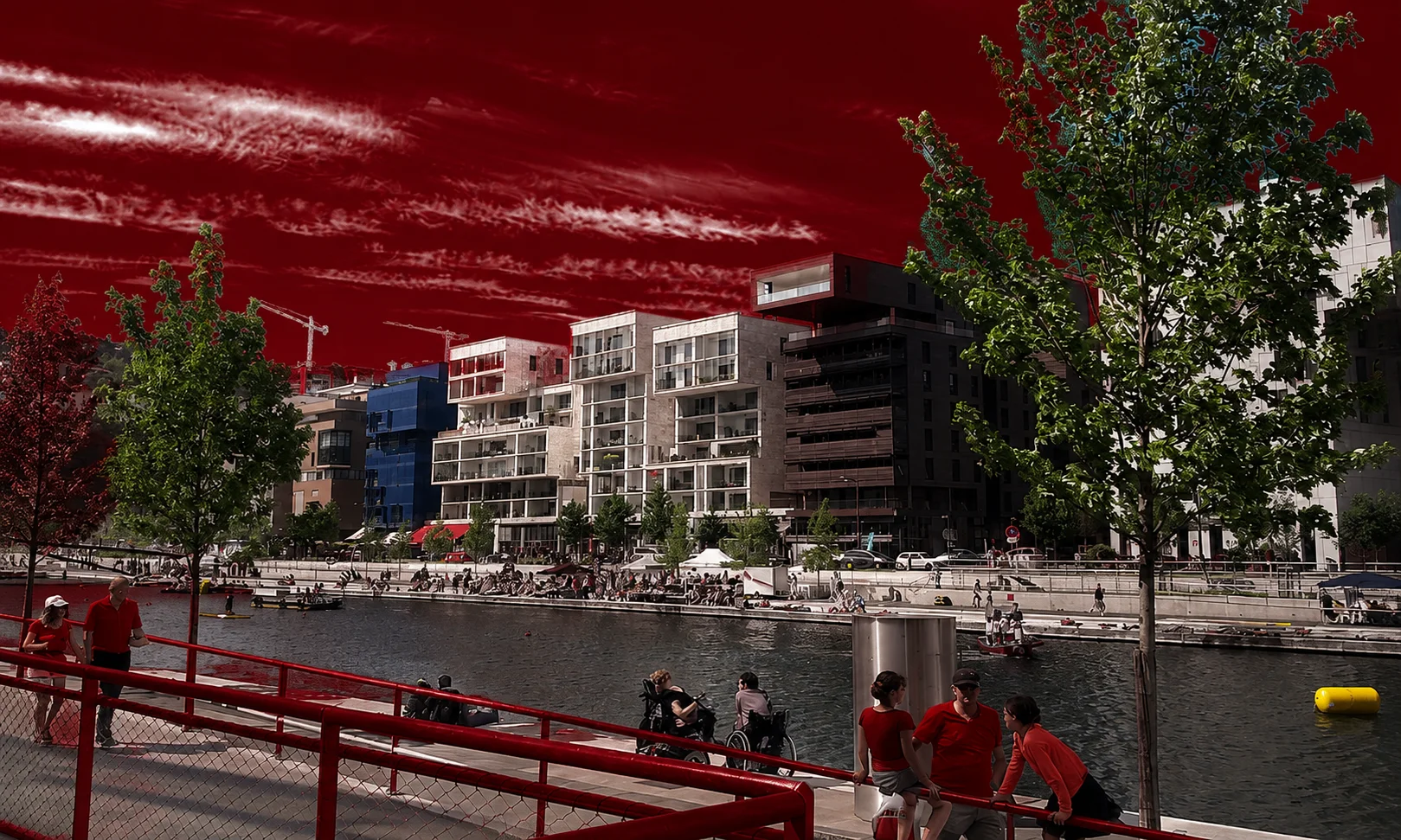
Lyon will host most indoor ice sports.
Confirmed venues include:
- Halle Tony Garnier for figure skating and short-track skating.
- LDLC Arena for ice hockey.
- Eurexpo for curling and additional ice hockey events.
Lyon also serves as an important transport hub connecting visitors to the Alpine competition areas.
Briançon Cluster
Briançon will become the center for freestyle disciplines.
Events include:
- Freestyle skiing
- Snowboarding
- Ski mountaineering
These venues take advantage of existing mountain infrastructure rather than requiring large-scale new developments.
Savoie Cluster
Savoie hosts many of the traditional alpine events.
Confirmed venues include:
- Courchevel
- Val d’Isère
- La Plagne
Athletes will compete here in alpine skiing, ski jumping, bobsleigh, luge, and skeleton.
These resorts have decades of World Cup experience, making them natural choices for Olympic competition.
Haute-Savoie Cluster
The Haute-Savoie region focuses on Nordic disciplines.
Confirmed venues include:
- Le Grand-Bornand for biathlon.
- La Clusaz for cross-country skiing.
Both locations already host major international competitions, reducing the need for new permanent infrastructure.
Heerenveen, Netherlands
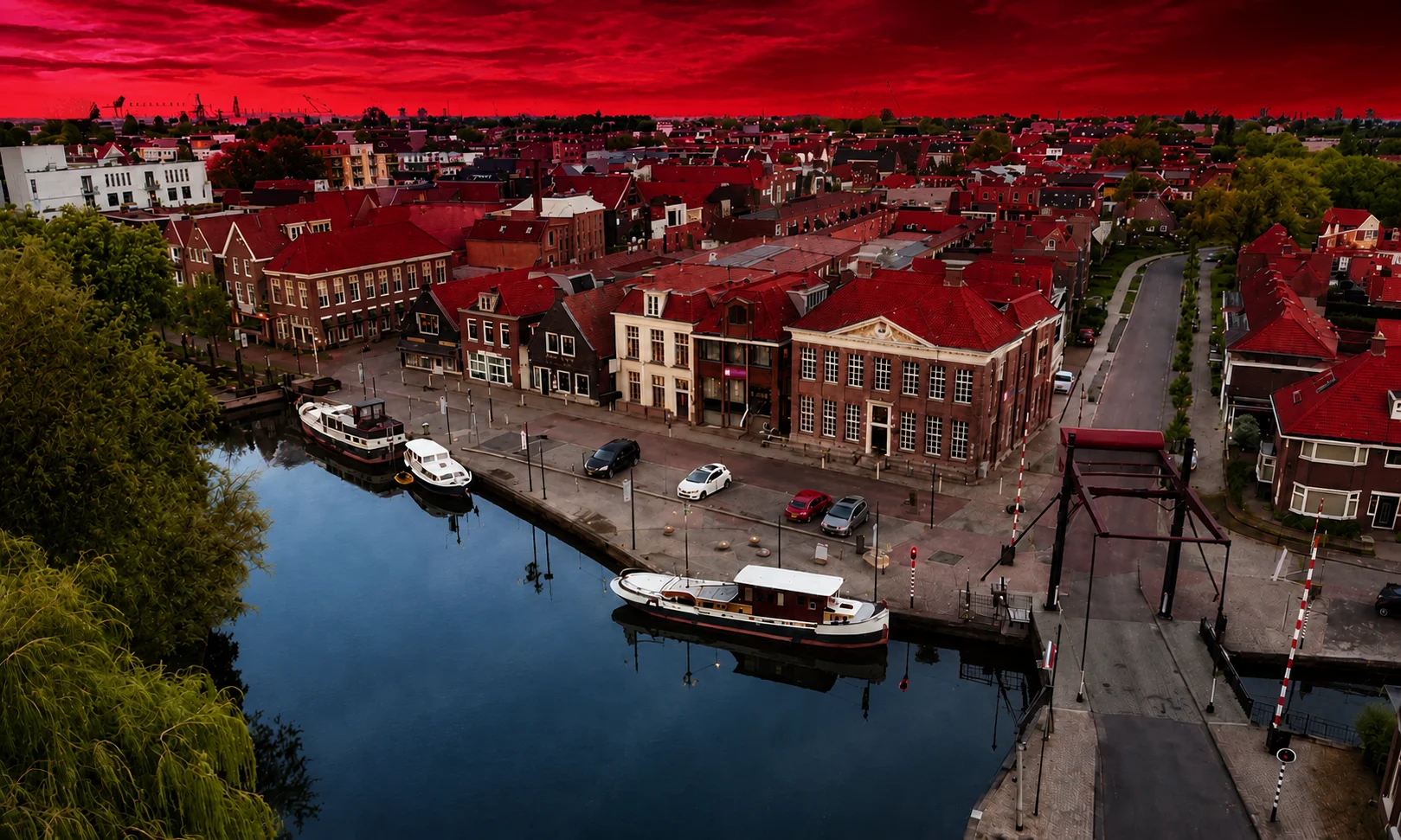
Perhaps the biggest surprise is that long-track speed skating will take place outside France.
The IOC approved Thialf Arena in Heerenveen as the official venue in June 2026, making Alpes 2030 the first Winter Olympics to stage competitions in more than one country.
The decision allows athletes to compete at one of the world’s best speed skating facilities while avoiding the cost of constructing a new venue.
Sources: IOC Executive Board, NBC Sports.
Why France Was Chosen to Host the 2030 Winter Olympics
France’s proposal stood out because it focused less on building new venues and more on making smart use of facilities that already exist.
The IOC has increasingly encouraged future hosts to prioritize sustainability, financial responsibility, and long-term community benefits rather than expensive construction projects.
Alpes 2030 closely reflects that strategy.
Existing Infrastructure Instead of Mega Construction
Many competition venues are already internationally recognized.
Examples include:
- Courchevel
- Val d’Isère
- La Plagne
- Le Grand-Bornand
- La Clusaz
Using established venues reduces environmental impact while lowering construction costs.
A Budget Built Around Private Investment
The approved Olympic budget is €2.1 billion.
According to the Alpes 2030 Organising Committee:
- 74% of funding comes from private sources such as sponsorships, broadcasting rights, ticket sales, and hospitality.
- 26% comes from public funding.
This financing model aims to reduce pressure on taxpayers while keeping long-term infrastructure investments focused on projects that benefit local communities.
Sustainability Is a Central Goal
Climate change has become one of the biggest challenges facing future Winter Olympics.
The IOC has warned that fewer regions are expected to remain suitable for reliable winter sports by the middle of the century. That concern influenced both the timing of the host selection and the emphasis on existing venues.
Instead of creating an entirely new Olympic footprint, Alpes 2030 intends to modernize transport, improve rail connections, and reuse established sports facilities wherever possible.
One major project includes €342 million in rail improvements, including upgrades to the Marseille–Briançon line, reducing travel time from 4 hours 45 minutes to approximately 3 hours 40 minutes.
Sources: IOC, Alpes 2030 Organising Committee.
At this stage, the foundations of the Games are firmly in place. The host has been selected, venues have been confirmed, and the overall vision is clear. The next step is understanding how the Olympic programme itself has evolved, including the addition of new events, the removal of a historic discipline, and the latest official updates shaping the road to February 2030.
Sports Program for the 2030 Winter Olympics
The 2030 Winter Olympics will introduce one of the biggest programme updates in recent Winter Games history. The International Olympic Committee (IOC) has expanded several disciplines, added new medal events, and removed one long-standing sport to create a more balanced and modern competition.
According to the IOC’s final programme announced on 7 July 2026, the Games will feature 126 medal events across 8 sports and 17 disciplines. A record 3,046 athletes are expected to compete, and for the first time in Winter Olympic history, athlete participation will reach full gender parity.
Source: International Olympic Committee (IOC).
Returning Olympic Sports
Fans can expect all of the major Winter Olympic sports to return, including:
- Alpine skiing
- Biathlon
- Bobsleigh
- Cross-country skiing
- Curling
- Figure skating
- Freestyle skiing
- Ice hockey
- Luge
- Short-track speed skating
- Skeleton
- Ski jumping
- Snowboarding
- Speed skating
These events continue to form the core of the Winter Olympic programme and will take place across the venue clusters in the French Alps and Lyon.
New Sports and Events
One of the biggest headlines for Alpes 2030 is the expansion of the Olympic programme.
The IOC confirmed that freeride skiing and freeride snowboarding will make their Olympic debut with four medal events. These disciplines have grown rapidly in international competition and are expected to attract younger audiences.
Another important change involves ski mountaineering. After making its Olympic debut in 2026, the sport will expand in 2030 with additional individual events alongside the existing sprint and mixed relay competitions.
The IOC also approved several new medal events, including:
- Mixed team ski cross
- Women’s super team ski jumping
- Mixed team parallel giant slalom
- Team sprint speed skating
- Single mixed relay biathlon
- Synchro skating
These additions are designed to improve gender balance and increase the variety of team-based competitions.
Source: IOC Executive Board, July 2026.
Nordic Combined Removed After More Than a Century
Not every sport survived the programme review.
The IOC removed Nordic combined from the 2030 Winter Olympics, ending a run that stretched back more than 102 years.
According to the IOC, the decision reflected several factors, including participation levels, programme balance, and the goal of creating a more inclusive Olympic schedule. Nordic combined had remained the only Winter Olympic discipline contested exclusively by men.
The decision has generated debate within the winter sports community, but it remains one of the most significant programme changes for Alpes 2030.
Key Statistics at a Glance
| Category | Confirmed Figure |
| Athletes | 3,046 |
| Medal Events | 126 |
| Sports | 8 |
| Disciplines | 17 |
| Women’s Events | 56 |
| Men’s Events | 55 |
| Mixed Events | 15 |
Source: International Olympic Committee.
Latest Confirmed Updates for Alpes 2030
Preparations for the Games have accelerated throughout 2026. Several major announcements have already shaped what the event will look like.
Understanding these milestones helps separate confirmed developments from future expectations.
Official Branding Revealed
On 18 June 2026, organizers unveiled the official emblem in Briançon.
At the same time, the project officially adopted the shorter brand name Alpes 2030, replacing the earlier working title French Alps 2030.
The new branding reflects the event’s regional identity rather than focusing on a single city.
Venue Masterplan Approved
The IOC Executive Board approved significant venue adjustments on 22 June 2026.
Among the biggest changes:
- Ice events were moved from Nice to Lyon.
- Thialf Arena in Heerenveen became the confirmed speed skating venue.
- Existing facilities received priority over new construction.
These decisions support the IOC’s long-term sustainability strategy while reducing infrastructure costs.
Source: IOC Executive Board.
Multi-Country Winter Olympics
The confirmation of Heerenveen, Netherlands, represents a historic milestone.
For the first time, a Winter Olympics will officially stage competitions in more than one country.
Rather than constructing a new speed skating venue in France, organizers selected Thialf Arena because it already meets Olympic standards.
This decision highlights the IOC’s growing preference for making better use of existing world-class facilities.
No Additional Summer Sports
In May 2026, the IOC also confirmed that sports such as cyclo-cross and cross-country running would not be added to the Winter Olympic programme.
Although discussions may continue for future editions of the Games, Alpes 2030 will remain focused exclusively on snow and ice disciplines.
Source: Reuters, 7 May 2026.
Timeline: From Olympic Bid to Opening Ceremony
The journey to Alpes 2030 spans several years of planning, negotiations, and approvals.
Here are the most important milestones.
| Year | Major Milestone |
| November 2023 | French Alps selected as preferred IOC candidate |
| 24 July 2024 | IOC officially awards the Games to the French Alps |
| October 2024 | French government confirms financial guarantees |
| February 2025 | Edgar Grospiron appointed Organising Committee President |
| June 2026 | Official emblem and Alpes 2030 branding unveiled |
| June 2026 | Venue masterplan approved |
| July 2026 | Final Olympic sport programme announced |
| 2028–2029* | Expected public ticket sales (*forecast) |
| 1 February 2030 | Opening of the Olympic Winter Games |
| 17 February 2030 | Closing Ceremony |
What Still Needs to Be Confirmed
Although planning has advanced considerably, several important details have not yet been finalized.
These include:
- Complete competition schedule
- Final ticket sales process
- Detailed transportation timetable
- Ceremony locations
- Volunteer programme
- Official mascot
Organizers are expected to announce many of these details during 2026, 2027, and the years leading up to the Games.
2030 Winter Olympics vs Milano Cortina 2026
The French Alps will follow many of the sustainability principles introduced by Milano Cortina 2026 while taking several ideas even further.
| Feature | Milano Cortina 2026 | Alpes 2030 |
| Host Country | Italy | France |
| Host Model | Multi-city | Multi-cluster |
| Additional Country | No | Netherlands (speed skating) |
| Budget | Around €5 billion+ | €2.1 billion |
| Private Funding | Lower share | 74% private funding |
| Existing Venues | Extensive use | Extensive use with additional international venue |
| Gender Parity | Not fully equal | First Winter Games with full athlete gender parity |
| New Sports | Ski mountaineering debut | Freeride events and expanded ski mountaineering |
| Climate Strategy | Existing infrastructure | Existing infrastructure plus international venue sharing |
What Makes Alpes 2030 Different?
Several features distinguish these Games from previous Winter Olympics.
First, they will become the first Winter Olympics with competitions hosted in multiple countries, thanks to the inclusion of Heerenveen for speed skating.
Second, the Games are expected to achieve full athlete gender parity, an important milestone for Olympic sport.
Finally, the combination of existing venues, private investment, and international cooperation may become a blueprint for future Winter Olympics as organizers respond to rising costs and climate challenges.
These developments suggest that Alpes 2030 is not simply another edition of the Games. It could represent a significant shift in how future Winter Olympics are planned and delivered.
Sustainability and Legacy: Building a Smarter Winter Olympics
One of the defining goals of the 2030 Winter Olympics is to reduce environmental impact without compromising the athlete or fan experience. Instead of relying on expensive new construction, organizers have chosen to build on infrastructure that already exists.
This approach aligns with the IOC’s long-term sustainability strategy, which encourages future host nations to make better use of established venues and regional partnerships.
Reusing Existing Venues
Most Olympic events will take place at facilities that regularly host World Cup competitions and international championships.
Examples include:
- Courchevel and Val d’Isère for alpine skiing
- La Plagne for bobsleigh, luge, and skeleton
- Le Grand-Bornand for biathlon
- La Clusaz for cross-country skiing
Using proven venues lowers construction costs while limiting environmental disruption.
Investment Beyond the Olympic Games
The benefits are intended to continue long after the Closing Ceremony.
One of the largest legacy projects is €342 million in rail improvements, including upgrades to the Marseille–Briançon railway, reducing travel time from 4 hours 45 minutes to approximately 3 hours 40 minutes.
These improvements are designed to benefit residents, businesses, and visitors well beyond 2030.
Source: Alpes 2030 Organising Committee.
Encouraging More People to Play Sport
The organizing committee has also linked the Games to wider participation goals.
Current plans aim to encourage 3 million additional people to take part in sport by 2030 through expanded sports education programmes and the creation of a Sports Careers Campus.
Rather than focusing only on elite competition, organizers want the Games to leave a lasting social legacy across France.
Climate Challenges Cannot Be Ignored
Winter sport depends on reliable snow conditions, making climate change one of the biggest long-term challenges facing future Olympic hosts.
The IOC has acknowledged that the number of regions capable of hosting Winter Olympics is expected to decline during the coming decades.
That reality influenced both the delayed host selection process and the emphasis on existing venues that already have strong winter sports infrastructure.
Instead of expanding into new mountain areas, Alpes 2030 aims to make the most of locations that have decades of experience hosting international competitions.
Travel Guide for Spectators
If you plan to attend the Games, understanding the venue layout will be just as important as buying tickets.
Unlike Olympics hosted in a single metropolitan area, Alpes 2030 spreads competitions across multiple regions.
Understanding the Venue Clusters
The Games are divided into several main areas.
Lyon will host indoor ice sports such as figure skating, curling, and much of the ice hockey programme.
The French Alps will stage alpine skiing, freestyle skiing, snowboarding, ski jumping, biathlon, cross-country skiing, and sliding events.
Long-track speed skating will take place at Thialf Arena in Heerenveen, Netherlands.
Planning your itinerary around these clusters will help reduce unnecessary travel during the Games.
Transportation Improvements
Moving between venues has been a major focus for organizers.
Rail investment forms a central part of the transport strategy, while Lyon’s role as a major transport hub is expected to simplify connections between international visitors and Alpine venues.
Detailed transport schedules have not yet been released, so spectators should expect additional guidance closer to the Games.
Accommodation Planning
Official accommodation packages have not been announced.
However, because many competitions will be held in established ski resorts, visitors are expected to have access to a wide range of hotels, apartments, and holiday rentals.
Booking early will likely become important once ticket sales begin, especially in popular destinations such as Courchevel and Val d’Isère.
Tickets and Broadcasting
Many fans are already searching for ticket information, but public sales have not yet opened.
Based on previous Olympic cycles, organizers expect ticket sales to begin during 2028–2029 through the official Alpes 2030 platform.
Until then, any unofficial ticket offers should be treated with caution.
Where to Watch the Games
Broadcast arrangements have already been confirmed for several regions.
In Europe:
- Warner Bros. Discovery will provide coverage through Eurosport and Discovery+.
- France Télévisions will broadcast free-to-air coverage in France.
Other international broadcasters, including NBCUniversal in the United States and the BBC in the United Kingdom, are expected to deliver coverage under existing Olympic rights agreements.
Honest Challenges Facing Alpes 2030
Every Olympic Games faces obstacles, and Alpes 2030 is no exception.
Understanding these issues provides a more balanced picture than focusing only on positive announcements.
Budget Pressure
The approved Olympic budget stands at €2.1 billion.
Although private funding covers 74% of the total, rising construction costs and wider economic conditions have continued to attract public attention.
Keeping spending under control will remain one of the organizing committee’s biggest responsibilities.
Organizational Changes
Preparations have also experienced internal leadership changes.
Between 2025 and 2026, several senior officials resigned, including the Director General, Chief Operating Officer, Communications Director, and the head of the remuneration committee.
While work on the Games continues, these departures have prompted questions about governance and long-term project management.
Venue Logistics
The multi-cluster approach reduces new construction, but it also creates logistical challenges.
Some venues are separated by hundreds of kilometres, increasing travel requirements for athletes, officials, media, and spectators.
The IOC has emphasized that careful transport planning will be essential to keep operations running smoothly.
Climate Uncertainty
Reliable winter conditions remain a long-term concern for every future Winter Olympics.
Although the French Alps remain one of Europe’s strongest winter sports regions, climate experts and the IOC agree that fewer locations may be suitable for hosting Winter Games by the middle of the century.
This makes Alpes 2030 an important test of how future Olympics can adapt to changing environmental conditions.
Practical Application: How to Prepare for the 2030 Winter Olympics
Whether you hope to attend in person or simply follow the event closely, a little preparation can help you make the most of the Games.
If You Plan to Attend
- Follow only official Alpes 2030 and IOC announcements for ticket releases.
- Decide which venue cluster interests you most before booking accommodation.
- Monitor transport updates as rail improvements continue.
- Budget for accommodation early once ticket sales are confirmed.
- Check passport, visa, and travel requirements well before departure.
If You’ll Watch From Home
- Confirm which broadcaster holds Olympic rights in your country.
- Follow the official competition schedule once it is published.
- Learn the venue locations before the Games begin to better understand event coverage.
- Keep an eye on official announcements for ceremony details and athlete qualification updates.
Common Mistakes to Avoid
Many first-time Olympic followers make the same assumptions.
Avoid these common mistakes:
- Assuming tickets are already available.
- Trusting unofficial ticket websites.
- Believing every venue is located in one city.
- Confusing confirmed announcements with forecasts.
- Ignoring transport distances between venue clusters.
Planning ahead and relying on official information will make following Alpes 2030 much easier as the Games approach.
Conclusion
When the 2030 Winter Olympics begin on 1 February 2030, years of planning, investment, and international cooperation will come to life. What started as a sustainability-focused bid has evolved into one of the most innovative Winter Olympic projects ever planned.
Unlike many previous Games, Alpes 2030 relies on existing world-class venues across the French Alps, Lyon, and Heerenveen instead of large-scale new construction. This approach supports lower costs, reduced environmental impact, and a stronger long-term legacy.
While some details, such as ticket sales and the final competition schedule—are still to be announced, the foundations of the Games are firmly in place. The 2030 Winter Olympics have the potential to set a new standard for how future Winter Games are organized, balancing sporting excellence with sustainability and responsible investment.
Frequently Asked Questions
When are the 2030 Winter Olympics?
The 2030 Winter Olympics will take place from 1–17 February 2030. The Winter Paralympics are scheduled for 1–10 March 2030.
Where will the 2030 Winter Olympics be held?
The Games will be held in the French Alps, with ice sports in Lyon and long-track speed skating in Heerenveen, Netherlands.
Why are they called Alpes 2030?
The official name changed from French Alps 2030 to Alpes 2030 in June 2026. The new branding represents the wider Alpine region hosting the Games.
What sports will be included in the 2030 Winter Olympics?
The Games will feature 126 medal events across 8 sports and 17 disciplines, including new freeride events and expanded ski mountaineering competitions.
Why was Nordic combined removed?
The IOC removed Nordic combined to create a more balanced and inclusive Olympic programme. It had been part of the Winter Olympics for over 100 years.
When will tickets go on sale?
Public ticket sales have not started yet. Based on previous Olympic cycles, they are expected to begin during 2028–2029 through the official Alpes 2030 website.
How many athletes will compete?
Around 3,046 athletes are expected to compete. Alpes 2030 will also become the first Winter Olympics with full athlete gender parity.
What is the budget for Alpes 2030?
The total budget is €2.1 billion, with 74% funded privately and 26% through public funding.
How will climate change affect the Games?
Organizers are using existing venues and investing in sustainable transport to reduce environmental impact. Climate resilience has been a key factor in planning the Games.
What happens after the 2030 Winter Olympics?
The Winter Paralympics will follow in March 2030. After that, the next Winter Olympic Games will be held in Salt Lake City, Utah, in 2034.