A restaurant group with twelve locations does not have one audience. Neither does a fitness chain, property network, retailer, or franchise system. Customers follow the branch they can visit, the events happening nearby, and the people they recognize.
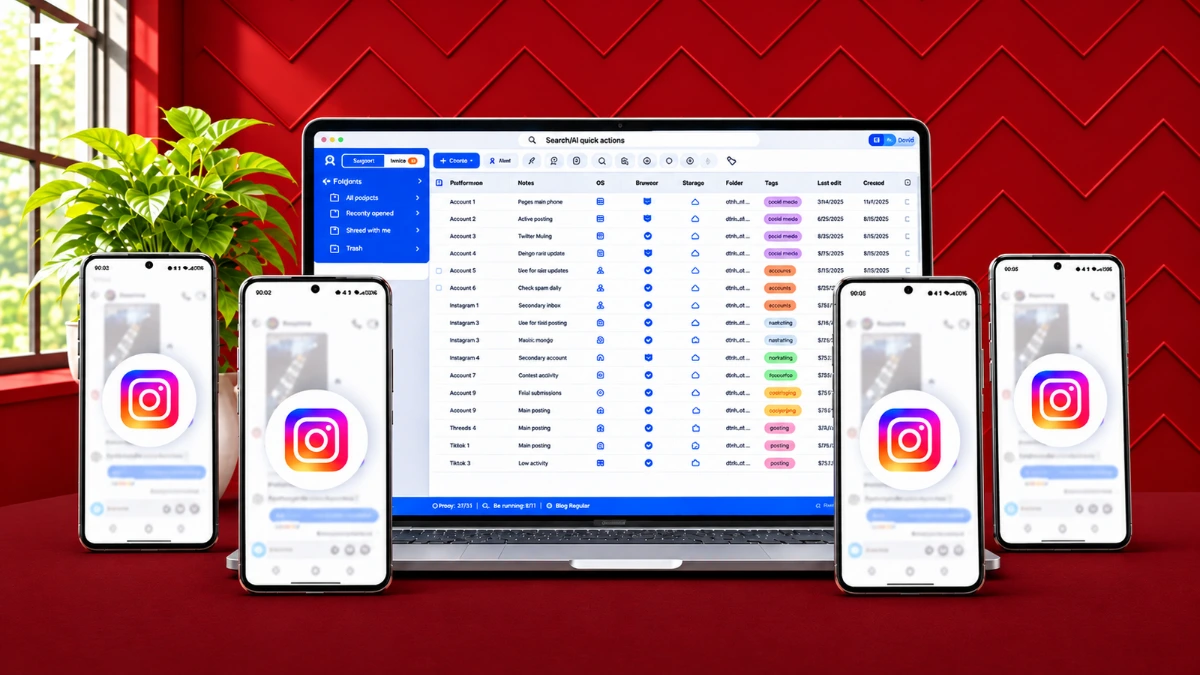
That makes local Instagram accounts valuable, but it also creates an operational problem: every new profile adds another login session, content calendar, inbox, owner, and potential handoff.
The challenge is not simply how to publish more posts. It is how to give local teams enough freedom to sound relevant without allowing account access, device use, and brand standards to become fragmented. MoreLogin for multiple Instagram accounts is one option teams may consider for organizing account environments and member access, but effective management also depends on defined responsibilities, account recovery practices, and compliance with Instagram’s policies.
A scalable model therefore needs two things at once: centralized oversight of environments, access, and campaign standards, plus local control over community knowledge and timely content. The following operating framework is designed around that balance.
Why Multi-Location Instagram Operations Break Down
Most account portfolios do not fail because the brand opened too many profiles. They fail because no operating model was defined before those profiles were handed to local staff. One manager signs in from a personal phone, another keeps a password in a shared spreadsheet, and a third leaves the company while still controlling recovery details.
Headquarters may know the account names but not who owns the active sessions. Content becomes inconsistent for the same reason. Local teams understand their customers, but they may not know which campaign assets are approved. Central marketing has polished creative, yet it may publish generic posts that ignore local inventory, opening hours, languages, or events.
The solution is not to remove local participation. It is to separate responsibilities clearly.
Use a Hub-and-Spoke Account Model
A practical structure starts with one central brand account and a defined set of local accounts. The central account carries the broad brand story, major launches, and national campaigns. Each location account handles information that is genuinely local: staff introductions, store events, community partnerships, regional offers, stock availability, and customer questions.
Before launching another profile, document its purpose in a one-page account charter:
The geographic area or customer segment it serves
The content topics it owns and the topics reserved for headquarters
The local employee responsible for daily activity
The central manager responsible for governance and recovery
The metrics that determine whether the account remains useful
This charter prevents two nearby locations from publishing duplicate material without a clear reason. It also makes future handoffs easier because the account has an organizational purpose rather than being treated as one employee’s personal channel.
Give Every Location a Stable Operating Environment
Account separation can help teams organize their day-to-day work, but it should not be treated as a guarantee of account safety.
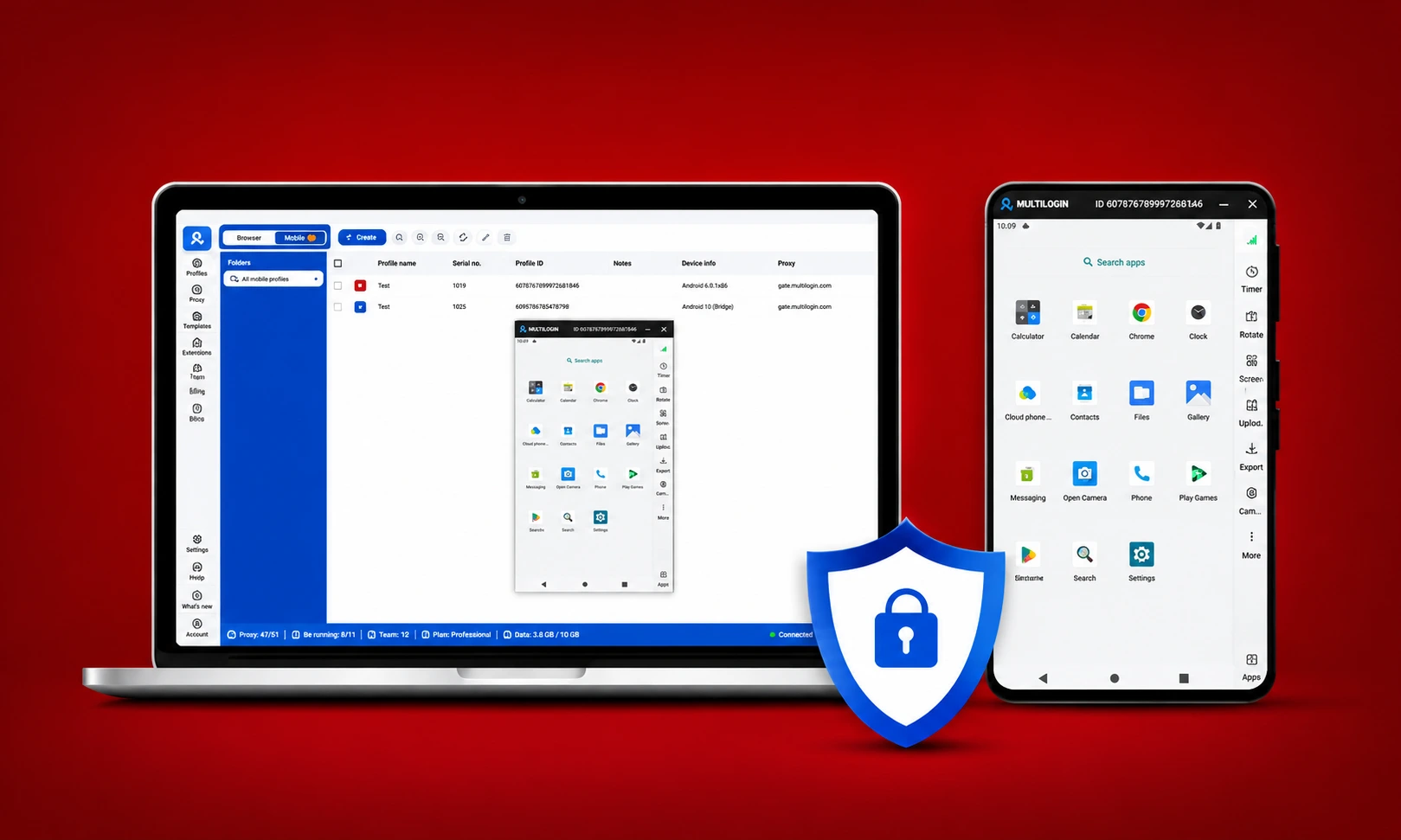
When local profiles are repeatedly opened on shared phones, app data, sessions, and device context may be concentrated in one place. Switching among employees, devices, and networks can also create operational friction or verification requirements. MoreLogin Cloud Phone provides cloud-based Android environments that teams can assign to profiles or locations.
The Instagram app, login state, and app data can be managed within an assigned environment. A proxy may be configured where there is a legitimate network-location need, but neither proxies nor separate environments guarantee protection from account restrictions or verification.
Businesses must continue to follow Instagram’s Terms of Use and Community Guidelines. Account separation and proxy use do not exempt users from platform rules or justify spam, misleading activity, unauthorized automation, or attempts to circumvent restrictions.
Use a naming standard that lets headquarters identify an environment without opening it. For example, combine the brand code, city, location number, and account purpose: BR NYC-014-RETAIL. Apply the same logic to groups and tags. A clear inventory becomes especially important when the business adds seasonal locations, new franchisees, or accounts in several languages.
Separate Ownership From Daily Access
The person publishing a Story today should not automatically become the permanent owner of the account. Central marketing should retain recovery information and administrative control, while local employees receive access only to the environments required for their work.
MoreLogin allows teams to assign cloud phone or browser environments to selected members. Workspace permissions and environment assignments can help organize who works where, but businesses should also maintain their own access records and account security procedures.
This may be useful for franchise networks, agencies supporting local branches, and businesses that rely on part-time social media coordinators.
Build a simple access matrix with three roles:
Central administrator: controls environment ownership, recovery details, naming, and access changes
Regional manager: reviews several location accounts and coordinates shared campaigns
Local operator: publishes approved local content and handles assigned community tasks
When an employee changes roles, transfer the environment assignment instead of sending credentials through chat. Review any direct password access, active sessions, recovery details, and authentication methods as part of the handoff. The incoming operator can then be assigned the appropriate workspace while headquarters retains oversight.
Essential Account Security Practices
Separate environments are only one part of account security. Multi-location businesses should establish consistent security practices for every profile:
Enable two-factor authentication (2FA) using an approved authentication method.
Keep the account’s recovery email and phone number accessible to authorized business personnel.
Use strong, unique passwords and store them in an approved password manager rather than shared spreadsheets or chats.
Review account access and active sessions regularly, and remove access that is no longer needed.
Monitor security notifications and investigate unfamiliar sign-ins or changes to account details.
Design Content in Three Layers
A multi-location content system works best when every post is not created from scratch and every location is not forced to publish identical material. Divide the calendar into three layers.
Layer 1: Core brand campaigns. Headquarters supplies approved launches, visual guidelines, offer terms, and required dates. Locations adapt only the fields that have been approved for localization.
Layer 2: Regional campaigns. A regional manager coordinates weather-based offers, holidays, language variations, or events relevant to several nearby locations
Layer 3: Local proof. Individual branches publish staff stories, customer moments, in-store updates, and community activity that a central team cannot authentically produce
This layered approach creates recognizable brand standards without turning every local feed into a copy of the corporate account. It also gives the central team a better review question: not “Does every post look the same?” but “Is this post appropriate for the layer it belongs to?”
Automate Repetition Without Erasing Local Relevance
Automation is most useful after the ownership and content model are stable. MoreLogin’s Synchronizer can be used to repeat selected inputs across cloud phones, while RPA and scheduled workflows may support recurring tasks. MoreLogin also offers automation-related tools for teams to evaluate for their workflows.
Feature suitability depends on the setup and use; these tools should not be presented as guarantees of account safety or compliance with Instagram’s policies.
For example, headquarters may distribute a campaign asset and publishing window to twenty locations. The repeated steps can be standardized, while captions, store details, and calls to action remain local. The same principle applies to customer messages: approved response structures can save time, but the final reply should reflect the customer’s question and location
Start with low-risk, repeatable tasks such as opening the correct app environment, preparing approved files, or scheduling internally reviewed content. Keep manual review for sensitive promotions, complaints, payment questions, and anything that could affect customer trust
Create a Reliable Handoff Process
Turnover is unavoidable in retail, hospitality, property, and franchise operations. A good handoff process protects continuity without depending on the outgoing employee’s personal device.
Before access changes, the central administrator should confirm the account’s recovery email and phone access, remove the departing member’s workspace assignment and other access, review active sessions, update passwords if the departing employee knew them or policy requires it, review two-factor authentication access, assign the environment to the replacement, and document pending campaigns or conversations.
The new operator should review the account charter, local content calendar, escalation contacts, and response rules before publishing.
If Instagram requests verification, the business should complete it through the account’s authorized recovery process rather than attempting to circumvent it.
Measure the Portfolio, Not Just Individual Posts
Follower growth alone does not show whether a local account deserves ongoing resources. Review the portfolio with a small set of operational and commercial metrics:
Local reach and engagement from the intended market
Direct messages or inquiries connected to the location
Visits, bookings, leads, or sales influenced by local campaigns
Publishing consistency and response coverage
Time required from local and central teams
Accounts that have no distinct audience, content supply, or business outcome may need to be merged or paused. The goal is not to operate the largest possible portfolio. It is to maintain a useful network of accounts that customers can understand and the business can govern
Turn Local Instagram Accounts Into a Managed Business Asset
Multi-location brands need more than a password list and a shared calendar. They need a repeatable system that connects each Instagram account to a purpose, an owner, an operating environment, and measurable local work.
MoreLogin provides cloud phone or browser environments and workspace features that businesses can evaluate for organizing account work, assigning access, and supporting repetitive tasks. These capabilities should be used alongside account recovery procedures, security practices, and platform compliance requirements—not as substitutes for them.
Combined with an account charter and layered content model, this infrastructure can help headquarters maintain oversight without removing the local knowledge that makes each profile worth following.
The most effective Instagram portfolio is neither fully centralized nor loosely distributed. It gives the brand one governance standard, gives every location a clearly defined role, and gives every operator access to the tools and permissions needed to do the job.