A manufacturing engineer once faced a familiar challenge: finding a material that can handle heat, provide electrical insulation, and still allow complex shapes to be produced efficiently. Choosing the wrong material can increase production issues, maintenance costs, and design limitations.
That is where dough moulding compound becomes relevant. This thermosetting composite material has been used for decades to manufacture electrical, automotive, and industrial components where strength and stability matter.
In this article, you will learn what DMC material is, how it is manufactured, its properties, applications, advantages, limitations, and how it compares with other moulding compounds. You will also understand how modern design and simulation tools support companies working with DMC-based parts.
AI Overview
Dough moulding compound (DMC) is a glass-fiber-reinforced thermosetting composite material used to create durable molded components through compression or transfer moulding. It combines resin, fibers, fillers, and additives to achieve strength, heat resistance, and electrical insulation.
DMC is widely used in electrical, automotive, and industrial applications where reliable performance is required. Manufacturers often combine CAD, molding simulation, and tool management software to improve the design and production process.
Key Takeaways
- Dough moulding compound is a thermosetting composite made from resin, glass fibers, fillers, and additives.
- DMC is mainly processed through compression or transfer molding to create complex components.
- Its major advantages include electrical insulation, heat resistance, mechanical strength, and dimensional stability.
- Industries commonly use DMC for electrical parts, automotive components, appliances, and industrial products.
- DMC differs from bulk moulding compound (BMC) mainly in material form and handling characteristics.
- Modern molding workflows often use CAD, simulation, and tool management software to reduce production problems.
- Companies should evaluate strength, processing needs, and application requirements before selecting DMC.
What Is Dough Moulding Compound?
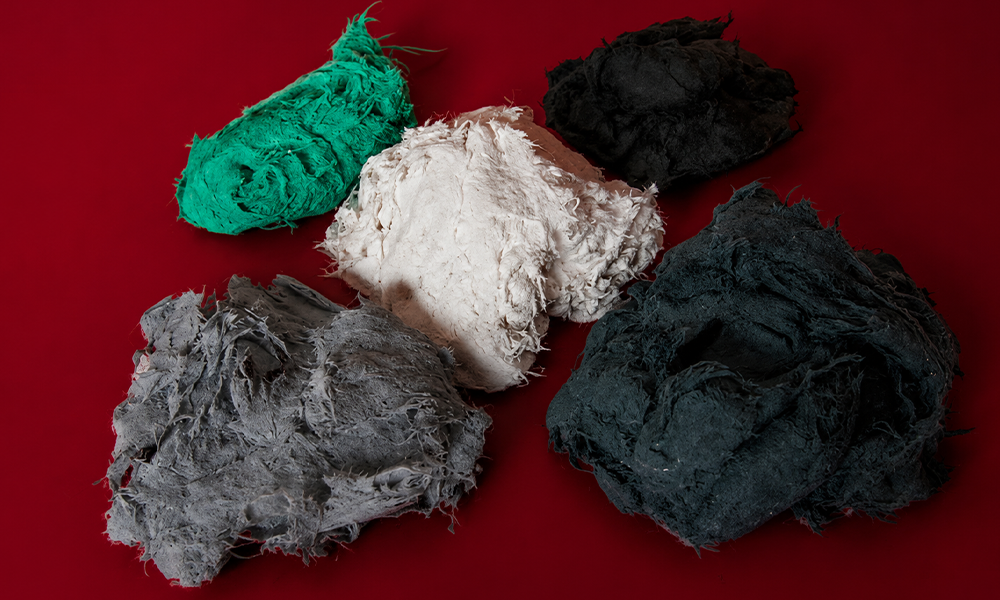
Dough moulding compound (DMC) is a thermoset composite material made from resin, glass fibers, fillers, and additives. It has a soft dough-like consistency and is molded under heat and pressure to produce strong, heat-resistant, and electrically insulating components used in industries such as automotive and electrical manufacturing.
What Is Dough Moulding Compound (DMC)?
Understanding DMC as a Composite Material
Dough moulding compound is a type of fiber-reinforced thermosetting composite material. Unlike ordinary plastics that can be melted and reshaped repeatedly, thermosetting materials permanently cure into their final form.
DMC usually contains a resin system, reinforcement fibers, mineral fillers, and performance-enhancing additives. These ingredients work together to create components with improved strength and stability.
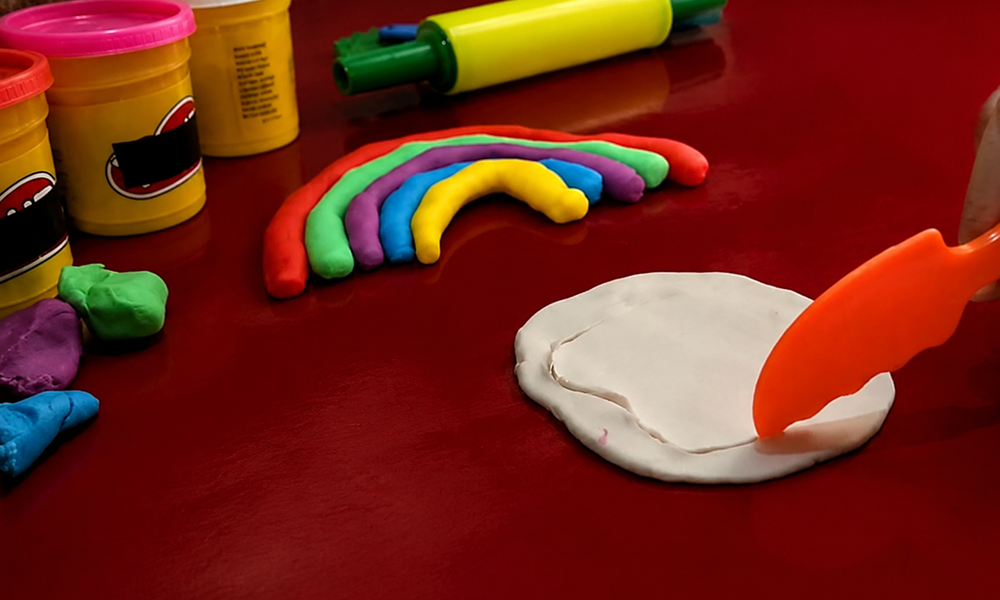
The material is supplied in a soft, putty-like form, which makes it suitable for molding processes where manufacturers need accurate shapes and consistent results.
DMC is often associated with electrical and mechanical parts because it provides a combination of durability, insulation, and resistance to demanding environments.
Why Is It Called Dough Moulding Compound?
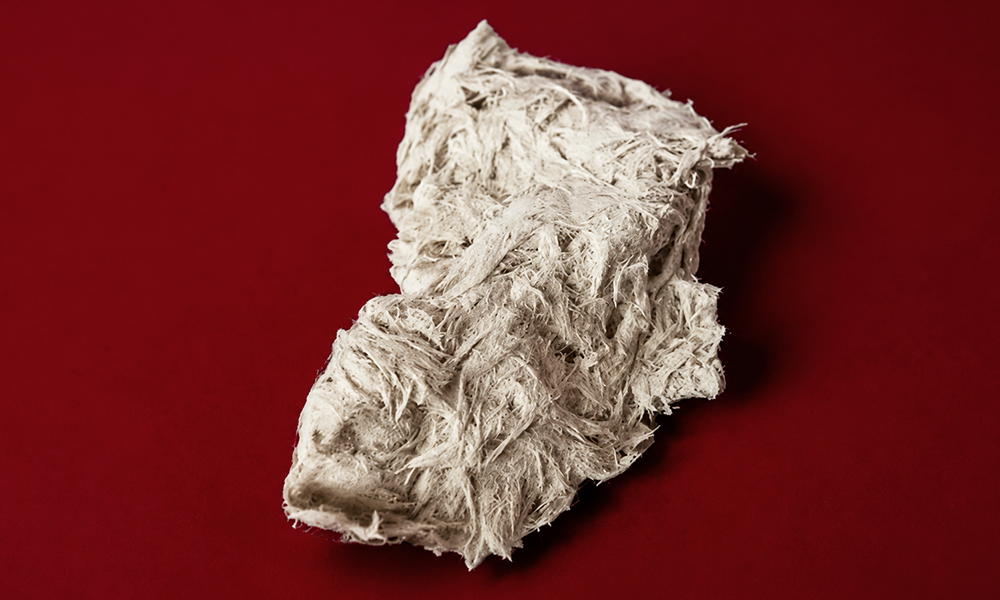
The name comes from its physical appearance before molding. The material has a dough-like texture that allows it to be handled and placed into molds before curing.
During production, manufacturers prepare the compound by mixing resin, fibers, fillers, and additives until it reaches the required consistency.
Once placed inside a mold, heat and pressure transform the soft compound into a rigid finished component.
What Are the Main Ingredients of Dough Moulding Compound?
Polyester Resin
The resin acts as the binding matrix of the material. It holds the reinforcement fibers and fillers together while providing the foundation for curing.
Unsaturated polyester resin is commonly used in DMC formulations because it supports strong mechanical performance and efficient molding processes.
The resin selection influences important characteristics such as hardness, chemical resistance, and temperature performance.
Glass Fiber Reinforcement
Glass fibers improve the mechanical strength of DMC. They help the material withstand stress while maintaining its shape during operation.
This reinforcement is why DMC belongs to the category of glass fiber-reinforced plastic materials.
The amount and distribution of fibers affect the final performance of molded components.
Fillers and Additives
Fillers and additives help manufacturers control performance, cost, and processing behavior.
Common components include:
- Mineral fillers for stability and cost management
- Pigments for appearance
- Release agents for easier molding
- Curing agents for controlled hardening
A balanced formulation allows manufacturers to create components suited for specific industrial requirements.
| Component | Main Function |
| Resin | Creates the polymer matrix |
| Glass fiber | Improves strength and durability |
| Fillers | Enhances stability and controls cost |
| Additives | Improves processing and performance |
How Is Dough Moulding Compound Manufactured?
Step 1: Mixing Raw Materials
The manufacturing process begins by combining resin with fillers, additives, and other required materials.
The goal is to achieve a uniform mixture where each ingredient is distributed properly.
Poor mixing can affect the strength, appearance, and reliability of the final component.
Step 2: Adding Glass Fibers
Glass fibers are introduced into the mixture to improve mechanical performance.
The fiber length and distribution influence properties such as strength, impact resistance, and dimensional stability.
Manufacturers carefully control this stage because excessive fiber damage can reduce performance.
Step 3: Creating the Dough-Like Compound
After mixing, the material develops the soft consistency associated with DMC.
This form allows it to be transported, stored, and placed into molds before final processing.
The compound is prepared according to the requirements of the finished product.
Step 4: Compression Molding and Curing
DMC is commonly processed through compression molding.
The compound is placed into a heated mold where pressure shapes the material and the curing process creates a permanent structure.
Modern manufacturing workflows often use molding simulation software before production. For example, Moldex3D released Moldex3D 2026 on March 18, 2026, promoting faster and more accurate molding simulations to help manufacturers optimize processes. This information is vendor-reported by Moldex3D.
Simulation tools can help engineers analyze factors such as material flow, heat behavior, and possible defects before producing physical molds.
What Are the Properties of Dough Moulding Compound?
Mechanical Strength and Durability
One reason manufacturers choose dough moulding compound is its ability to provide strong and stable molded parts.
The combination of resin and glass fiber reinforcement helps components handle mechanical stress while maintaining their shape.
DMC is suitable for applications where lightweight construction and durability are required.
Electrical Insulation Properties
DMC is widely used in electrical applications because it provides reliable insulation performance.
Components made from this material can help reduce electrical risks while maintaining structural strength.
This makes it useful for switchgear components, electrical housings, and insulating parts.
Heat and Chemical Resistance
Many industrial environments expose components to heat, moisture, and chemicals.
DMC offers resistance against these conditions, making it suitable for demanding applications where ordinary plastics may not perform effectively.
Its thermosetting structure helps maintain stability after curing.
Dimensional Stability
Precision is important when producing industrial components.
DMC provides good dimensional stability, meaning molded parts can maintain their intended shape with minimal changes after manufacturing.
This characteristic is valuable in applications requiring consistent fitting and reliable assembly.
What Are the Advantages of Dough Moulding Compound?
Lightweight Alternative to Metal Components
Manufacturers often look for materials that reduce weight without sacrificing performance.
DMC can replace some metal components while offering advantages such as corrosion resistance and easier molding into complex shapes.
This is especially useful in automotive and electrical industries.
Better Production Efficiency
DMC supports mass production because manufacturers can create complex parts through molding processes.
Once the mold is prepared, repeated production becomes more efficient compared with processes requiring extensive machining.
Long-Term Performance Benefits
DMC components are designed for durability.
Their resistance to heat, chemicals, and environmental conditions helps them maintain performance over long operating periods.
However, the right formulation must always match the application requirements.
Where Is Dough Moulding Compound Used?
Electrical and Electronics Industry
Electrical manufacturing is one of the most common application areas for DMC.
The material is used for components such as:
- Switchgear parts
- Electrical housings
- Insulators
- Protective covers
Its combination of electrical insulation and mechanical strength makes it suitable for these environments.
Automotive Industry
The automotive sector uses composite materials to reduce weight while maintaining performance.
DMC can be used in different automotive components where heat resistance, durability, and dimensional stability are required.
The broader shift toward lightweight composite materials has increased interest in reinforced polymers for vehicle manufacturing.
Construction and Industrial Applications
Industrial equipment often requires materials that can handle challenging conditions.
DMC is used for molded parts that need strength, insulation, and resistance to environmental factors.
Examples include equipment covers, protective components, and industrial assemblies.
Consumer Products
DMC also appears in some consumer and appliance applications.
Its ability to create detailed shapes with consistent quality makes it useful for selected molded products.
DMC vs Other Moulding Compounds: What Is the Difference?
Choosing the correct composite material depends on the application, production method, and required performance.
DMC is often compared with BMC and SMC because all belong to the thermoset moulding compound family.
| Feature | DMC | BMC | SMC |
| Material form | Dough-like compound | Bulk compound | Sheet form |
| Common process | Compression molding | Compression molding | Compression molding |
| Main advantage | Balanced strength and flexibility in handling | General molding applications | Higher structural performance |
| Common uses | Electrical and precision parts | Industrial molded components | Larger structural components |
Dough Moulding Compound vs Bulk Moulding Compound (BMC)
DMC and BMC are closely related materials.
The main difference is their physical form and handling characteristics.
DMC is supplied as a dough-like compound, while BMC is usually prepared as a bulk material containing similar thermosetting ingredients.
Both materials are used in compression and transfer molding applications.
Dough Moulding Compound vs Sheet Moulding Compound (SMC)
SMC differs mainly because it is supplied in sheet form.
It is commonly used where larger structural components and higher strength requirements are needed.
DMC is often preferred for smaller and more detailed molded parts.
Dough Moulding Compound vs Thermoplastics
Thermoplastics and DMC behave differently during manufacturing.
Thermoplastics can generally be reheated and reshaped, while DMC is a thermosetting material that permanently cures after molding.
The choice depends on factors such as heat resistance, mechanical requirements, recycling considerations, and production needs.
What Are the Limitations of Dough Moulding Compound?
Recycling Challenges
One challenge with thermosetting materials is recycling.
Because DMC cures into a permanent structure, it cannot be processed in the same way as many recyclable thermoplastics.
Researchers and manufacturers continue exploring improved approaches for composite sustainability.
Processing and Tooling Costs
Molding production requires proper tooling and equipment.
For smaller production volumes, initial mold investment may become a consideration.
Companies should evaluate expected production quantity before selecting the manufacturing approach.
Brittleness Compared With Some Plastics
Although DMC provides strength and stability, some thermoplastics may offer better flexibility.
Material selection should depend on the environment, load requirements, and expected product performance.
How Do Manufacturers Test Dough Moulding Compound Quality?
Mechanical Testing
Manufacturers evaluate factors such as strength and durability to ensure components meet application requirements.
Testing helps identify whether the material can handle expected operating conditions.
Thermal and Electrical Testing
Because DMC is often used in electrical and industrial applications, thermal and insulation performance are important evaluation areas.
These tests help confirm suitability for demanding environments.
Material Consistency Checks
Consistent fiber distribution, resin quality, and processing conditions influence final component performance.
Quality control helps reduce production issues and improve reliability.
Unique Consideration: How Software Supports DMC Manufacturing
Many companies working with DMC parts do not rely on a single software platform.
Instead, they combine different tools for design, simulation, and production management.
CAD and Mold Design Tools
Engineers use CAD systems to design parts and molds before production.
Common tools include:
- SOLIDWORKS with MoldWorks
- Autodesk Fusion 360
- CATIA
- Creo
- Siemens NX
SOLIDWORKS Partner describes MoldWorks as a 3D mold design toolset designed for SOLIDWORKS-based workflows.
Molding Simulation Software
Simulation helps engineers study molding behavior before manufacturing physical tooling.
Tools such as Moldex3D 2026, ANSYS, and DELMIA are used for analyzing molding processes.
Moldex3D’s March 18, 2026 release highlighted improvements focused on faster and more accurate molding simulations, according to the company.
Tool and Mold Management Software
Production teams also use software to monitor mold life and maintenance.
Examples include:
- Fabrico
- OASIS
- ToolWatch
Fabrico’s November 27, 2025 review compared tool and mold management systems that track tool life, shot counts, and maintenance cycles.
Who Should Use Dough Moulding Compound?
DMC is a good choice for manufacturers that need:
- Electrical insulation properties
- Heat-resistant components
- Complex molded shapes
- Consistent production quality
- Lightweight alternatives to some metal parts
It is especially relevant for electrical, automotive, and industrial manufacturing.
Who Should Avoid Dough Moulding Compound?
DMC may not be the best option when:
- The application requires repeated melting and reshaping
- Extreme flexibility is more important than rigidity
- Production volume does not justify tooling costs
- Recycling requirements favor thermoplastics
The material choice should always match the product’s final requirements.
Practical Guide:
How to Choose the Right Dough Moulding Compound for Your Application
Selecting the right dough moulding compound is not only about choosing a strong material. The correct formulation depends on where the component will be used, how it will be manufactured, and what performance the final product requires.
A structured evaluation helps manufacturers avoid material failures and unnecessary production costs.
Step 1: Define Performance Requirements
Start by identifying the conditions your component will face.
Consider:
- Required mechanical strength
- Temperature exposure
- Electrical insulation needs
- Chemical contact
- Environmental conditions
A component used in electrical equipment may require different properties than an automotive part.
Step 2: Select the Right Material Formulation
Different DMC formulations provide different performance characteristics.
The resin system, glass fiber content, fillers, and additives influence:
- Strength
- Heat resistance
- Surface quality
- Dimensional stability
Manufacturers should match the compound formulation with the final application instead of choosing based only on cost.
Step 3: Evaluate the Manufacturing Process
The production method affects the final result.
Companies should consider:
- Mold design requirements
- Production volume
- Required component complexity
- Processing equipment
Simulation tools can support this stage by identifying possible flow problems and defects before physical production.
Step 4: Review Supplier Quality Information
Before selecting a supplier, evaluate:
- Material specifications
- Testing documentation
- Production consistency
- Technical support
Reliable material information helps maintain consistent manufacturing quality.
Common Mistakes to Avoid When Using DMC
Choosing Material Based Only on Price
A cheaper compound may not provide the required performance.
Material selection should consider total production value, including durability, maintenance, and reliability.
Ignoring Mold Design Requirements
DMC performance depends heavily on proper molding conditions.
Poor mold design can create defects even when the material itself is suitable.
Overlooking Future Maintenance Needs
Production teams should consider tool life and maintenance planning.
Tool management systems such as Fabrico, OASIS, and ToolWatch are designed to help track mold usage, maintenance cycles, and equipment conditions.
Future Trends of Dough Moulding Compound Manufacturing
Greater Digital Integration in Manufacturing
Manufacturing workflows are moving toward stronger connections between design, simulation, and production data.
Current tools already combine CAD design, molding simulation, and maintenance tracking, although a completely unified end-to-end platform is still uncommon.
AI-Assisted Simulation and Optimization
Molding software companies are increasingly focusing on automation and intelligent simulation.
Moldex3D 2026, released on March 18, 2026, promoted improvements in simulation speed and accuracy to help manufacturers optimize molding processes. This information is based on vendor-reported capabilities.
Future developments may include more automated defect prediction and parameter recommendations, but these remain industry forecasts rather than confirmed outcomes.
Growing Demand for Lightweight Materials
Industries continue searching for materials that reduce weight while maintaining performance.
This trend supports continued interest in fiber-reinforced composites for automotive and industrial applications.
Recent Developments in Molding Software Supporting DMC Production
Although there is no software platform called “dough moulding compound,” manufacturers working with DMC parts often use a combination of digital tools.
The software ecosystem generally includes:
| Need | Common Tools | Purpose |
| Mold design | SOLIDWORKS + MoldWorks, Fusion 360, CATIA, Creo | Creating part and mold designs |
| Simulation | Moldex3D 2026, ANSYS, DELMIA | Testing molding behavior before production |
| Tool management | Fabrico, OASIS, ToolWatch | Tracking maintenance and mold life |
Current Software Updates
Several molding software developments have gained attention:
- Moldex3D released Moldex3D 2026 on March 18, 2026, focusing on improved molding simulation capabilities.
- Gitnux published “Best Molding Software | Ranked for 2026” on March 11, 2026, comparing tools across mold design, simulation, and workflow management.
- WifiTalents published “Molding Software: Best Picks (2026)” on March 11, 2026, reviewing tools including Autodesk Fusion 360, Siemens NX, Autodesk Vault, Dassault Systèmes DELMIA, and ANSYS.
These examples show how manufacturers increasingly combine engineering software with material expertise.
Conclusion
A manufacturing team choosing materials often starts with a simple question: will this material perform reliably in the real world?
That same question explains why dough moulding compound continues to be used in electrical, automotive, and industrial applications. It offers a balance of strength, insulation, heat resistance, and manufacturing flexibility.
However, the best results come from understanding the complete picture: material properties, production requirements, tooling needs, and quality control.
DMC is not the right solution for every application, but when the requirements match, it remains a practical composite material for producing durable molded components.
The most successful manufacturers are not only choosing better materials; they are combining better engineering decisions with better production processes.
FAQ: Dough Moulding Compound
What is dough moulding compound?
Dough moulding compound (DMC) is a thermosetting composite material made from resin, glass fibers, fillers, and additives. It has a soft dough-like consistency before molding and becomes a rigid component after curing.
It is commonly used for electrical, automotive, and industrial parts that require strength, insulation, and heat resistance.
What are the main ingredients of DMC?
The main ingredients of DMC include resin, glass fiber reinforcement, fillers, and additives. The resin creates the polymer matrix, while glass fibers improve mechanical strength.
Fillers and additives help control properties such as stability, processing behavior, and surface performance.
What is dough moulding compound used for?
Dough moulding compound is used for manufacturing electrical components, automotive parts, industrial products, and selected consumer applications. Its strength, insulation properties, and dimensional stability make it suitable for demanding environments.
Common examples include switchgear parts, electrical housings, and molded industrial components.
How is dough moulding compound manufactured?
DMC is manufactured by mixing resin, fillers, additives, and glass fibers to create a dough-like compound. The material is then placed into molds where heat and pressure cure it into its final shape.
Manufacturers may use simulation software to analyze molding behavior and improve production before creating physical tooling.
Is DMC the same as bulk moulding compound?
DMC and bulk moulding compound (BMC) are related thermosetting moulding materials, but they differ mainly in form and handling characteristics. DMC has a dough-like consistency, while BMC is generally supplied as a bulk compound.
Both materials are used in compression and transfer molding applications.
Can dough moulding compound be recycled?
DMC recycling is challenging because it is a thermosetting material that permanently cures during processing. Unlike many thermoplastics, it cannot simply be melted and reshaped.
Manufacturers continue exploring improved composite recycling methods, but widespread solutions are still developing.
What software is used for DMC molding and design?
Companies typically use a combination of CAD, simulation, and tool management software rather than one single platform. Common tools include SOLIDWORKS with MoldWorks, Autodesk Fusion 360, CATIA, Creo, Siemens NX, Moldex3D, ANSYS, DELMIA, Fabrico, OASIS, and ToolWatch.
These tools support different stages, from mold design and simulation to maintenance tracking.