Key Takeaways
- All-on-4 uses four implants to support a full arch of replacement teeth.
- It is a fixed alternative to removable dentures.
- Many patients receive temporary teeth on the day of surgery.
- Recovery takes several months as implants integrate with the jawbone.
- Costs vary based on location, materials, and treatment complexity.
- Good oral hygiene and regular dental visits help maintain long-term results.
Quick Answer
All-on-4 dental implants are a full-mouth tooth replacement solution that uses four dental implants to support an entire arch of fixed replacement teeth. They provide greater stability than traditional dentures and often require fewer implants, making treatment faster for many eligible patients. The total cost depends on factors such as location, materials, and the complexity of the procedure.
What Are All-on-4 Dental Implants?
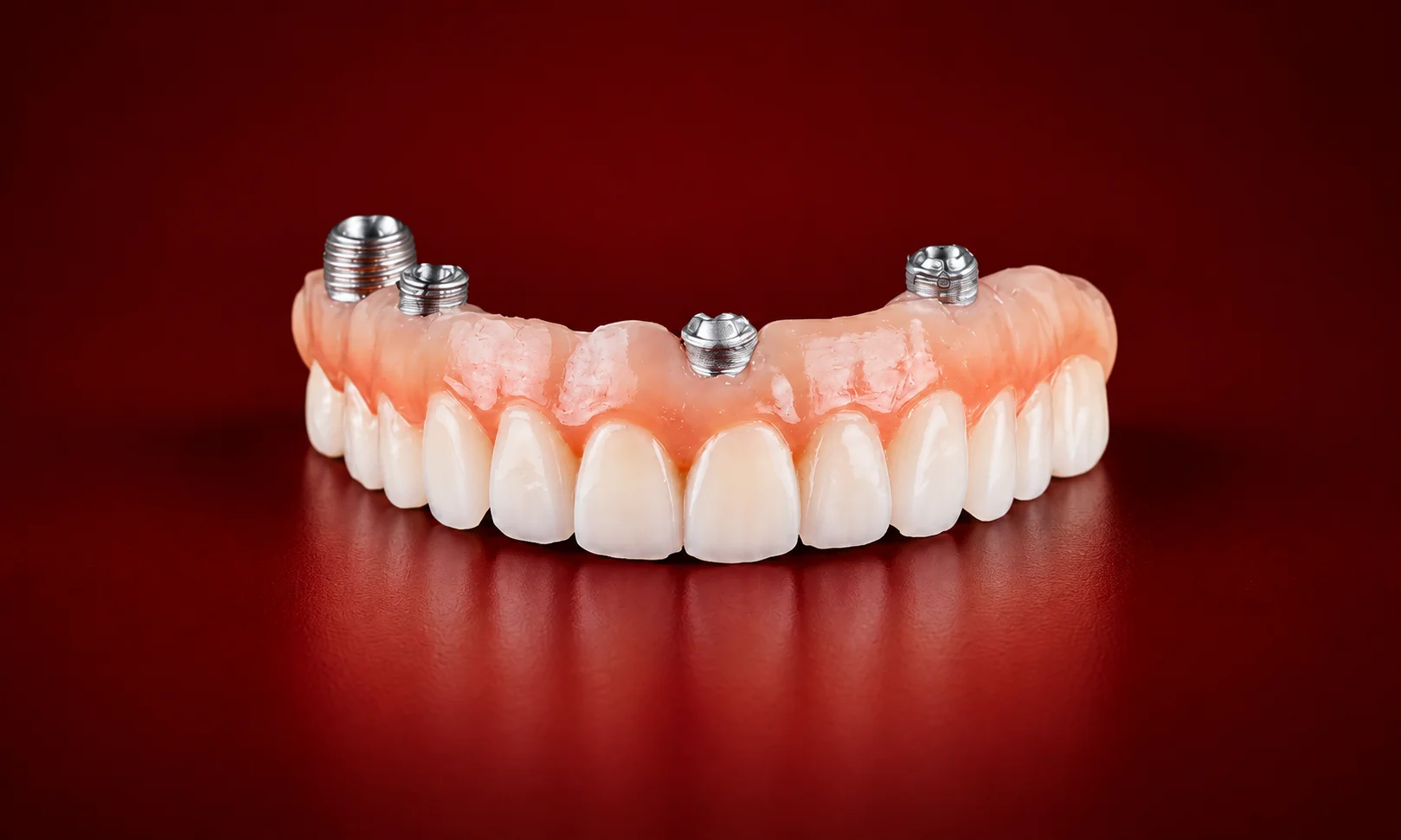
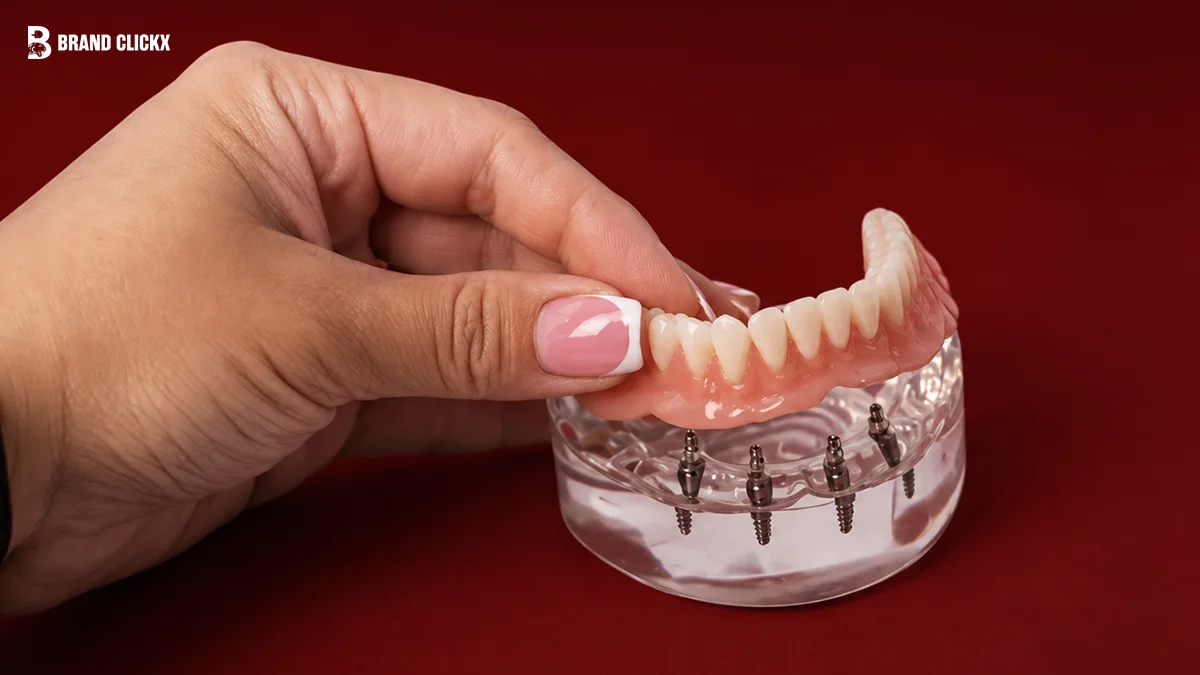
All-on-4 dental implants are a full arch restoration method designed for people who have lost most or all of their teeth in the upper or lower jaw. Instead of placing an implant for every missing tooth, a dentist uses four strategically positioned implants to hold an entire bridge securely in place.
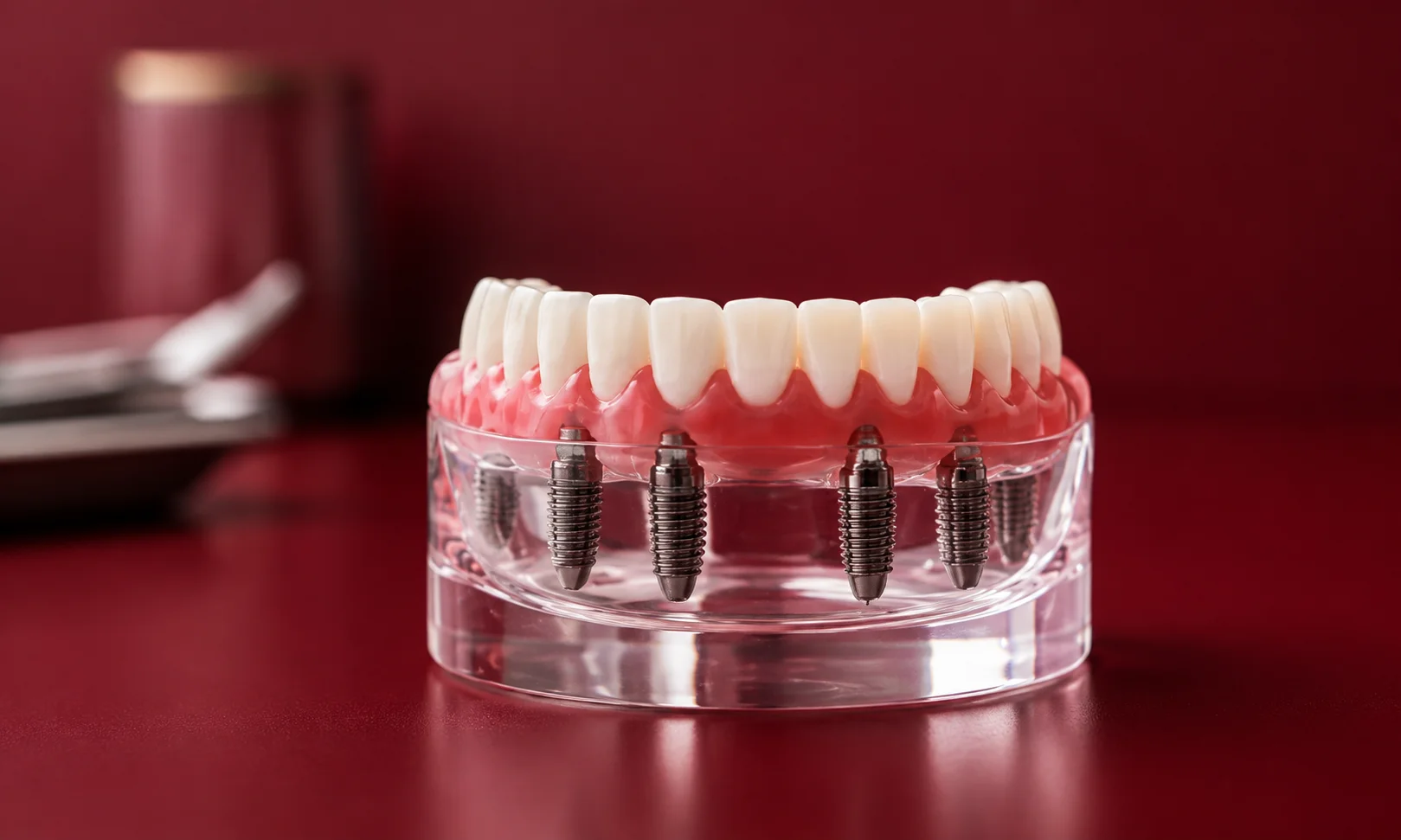
The two front implants are usually placed vertically, while the two back implants are positioned at an angle. This approach helps maximize existing bone and can reduce the need for bone grafting in many cases.
Unlike removable dentures, the replacement teeth remain fixed in the mouth. Patients do not remove them at night, making them feel much closer to natural teeth.
Main Components of an All-on-4 System
Dental Implants
These titanium or zirconia posts are placed into the jawbone to act as artificial tooth roots.
Abutments
Abutments connect the implants to the custom-made dental bridge.
Full Arch Prosthesis
This is the visible set of replacement teeth that restores both appearance and function.
How Do All-on-4 Dental Implants Work?
Dental implants gradually fuse with the jawbone through a natural healing process called osseointegration. Once healing is complete, the implants become a stable foundation for the replacement teeth.
Because the implants are anchored directly into the bone, they provide much better support than traditional dentures. This added stability allows patients to bite, chew, and speak with greater confidence.
How the Support System Works
| Component | Purpose |
|---|---|
| Four Dental Implants | Support the full arch |
| Abutments | Connect implants to the prosthesis |
| Fixed Bridge | Replaces all missing teeth |
| Jawbone Integration | Creates long-term stability |
Who Is a Good Candidate?
Many adults with multiple missing teeth may qualify for All-on-4 dental implants. A comprehensive dental examination, including digital scans and X-rays, helps determine whether this treatment is appropriate.
A dentist evaluates several factors before recommending the procedure.
You May Be a Good Candidate If You:
- Have lost most or all of your teeth.
- Have severely damaged or failing teeth.
- Want a permanent alternative to dentures.
- Have enough healthy jawbone to support implants.
- Maintain good oral hygiene.
- Are in generally good overall health.
Factors That May Require Extra Planning
Some patients may need additional evaluation before treatment.
These factors can include:
- Advanced gum disease.
- Significant bone loss.
- Uncontrolled diabetes.
- Heavy smoking.
- Certain medical conditions that affect healing.
A dentist will discuss possible treatment options if any of these factors apply.
Benefits of All-on-4 Dental Implants
Many patients choose All-on-4 because it offers both cosmetic and functional improvements. The treatment restores the appearance of a complete smile while making daily activities much easier.
Improved Stability
Unlike removable dentures, All-on-4 implants remain securely attached. This reduces movement while eating or speaking.
Natural Appearance
Custom-made replacement teeth are designed to match facial features, creating a smile that looks natural and balanced.
Better Chewing Ability
Patients can often enjoy a wider variety of foods because the implants provide greater biting strength than conventional dentures.
Bone Preservation
Implants help stimulate the jawbone, which may slow the bone loss that often follows tooth loss.
Fewer Implants Needed
Using four implants instead of replacing every missing tooth can simplify treatment for many patients.
Faster Treatment for Many Patients
Some individuals receive temporary fixed teeth on the same day as implant placement, depending on their treatment plan and healing conditions.
Possible Drawbacks
Although All-on-4 dental implants offer many advantages, every dental procedure has limitations.
Patients should understand both the benefits and potential challenges before making a decision.
Surgical Procedure
Implant placement requires oral surgery. Mild swelling, soreness, and temporary discomfort are common during the early healing period.
Higher Initial Cost
The upfront investment is generally greater than traditional dentures. However, many people view it as a long-term solution that may reduce future replacement costs.
Healing Period
The implants need time to integrate with the jawbone before the final permanent prosthesis is attached.
Not Suitable for Everyone
Some patients with severe bone loss or certain health conditions may require additional treatment before becoming eligible.
All-on-4 Dental Implant Procedure
The treatment process usually takes several appointments. Your dentist will create a personalized plan based on your oral health, bone condition, and smile goals.
Initial Consultation
The first visit includes a complete dental exam, digital X-rays, and often a 3D CT scan. These images help your dentist evaluate your jawbone and determine the best implant placement.
You’ll also discuss your medical history, treatment options, expected results, and estimated costs.
Treatment Planning
A customized plan is created before surgery. This includes the position of each implant, the design of your new teeth, and whether any remaining teeth need to be removed.
Implant Placement
During the procedure, four dental implants are placed into the jawbone. The two front implants are positioned vertically, while the two back implants are angled to maximize bone support.
The procedure is performed under local anesthesia, sedation, or general anesthesia, depending on your treatment plan and comfort needs.
Temporary Teeth
Many patients receive a temporary fixed bridge on the same day as implant surgery. This allows you to leave the clinic with functional teeth while your implants heal.
Healing Phase
Over the next few months, the implants gradually bond with the jawbone through a natural process called osseointegration. This creates a stable foundation for the permanent teeth.
Final Restoration
Once healing is complete, your temporary bridge is replaced with a custom-made permanent prosthesis designed for long-term comfort and durability.
Recovery Timeline
Recovery varies from person to person, but most patients follow a similar healing process.
| Time | What to Expect |
|---|---|
| First 24 Hours | Mild bleeding, swelling, and discomfort |
| Days 2–7 | Swelling begins to decrease and healing progresses |
| Weeks 2–6 | Soft tissues continue healing, and normal activities gradually resume |
| 3–6 Months | Implants fuse with the jawbone |
| Final Visit | Permanent teeth are attached if healing is complete |
Following your dentist’s instructions helps support proper healing and long-term success.
How Much Do All-on-4 Dental Implants Cost?
The cost of All-on-4 dental implants varies based on several factors, including your location, the dental clinic, the materials used, and whether additional procedures are required.
A complete treatment plan may include:
- Consultation and diagnostic imaging
- Tooth extractions if needed
- Four dental implants
- Temporary fixed teeth
- Permanent prosthesis
- Follow-up appointments
Because every case is different, your dentist will provide a personalized estimate after your evaluation.
Factors That Affect Cost
Several factors influence the final price.
- Geographic location
- Dentist’s experience
- Type of restoration material
- Number of arches being treated
- Bone grafting or additional procedures
- Sedation options
- Follow-up care
Choosing treatment based only on the lowest price may not provide the best long-term value. Experience, quality materials, and proper planning are equally important.
All-on-4 Dental Implants vs Traditional Dental Implants
| Feature | All-on-4 Dental Implants | Traditional Dental Implants |
|---|---|---|
| Number of Implants | Four per arch | One implant per missing tooth or several implants |
| Treatment Time | Often shorter | Usually longer |
| Bone Grafting | May not be needed in many cases | More commonly required |
| Stability | Excellent | Excellent |
| Suitable for Full Mouth | Yes | Yes |
| Cost | Often lower for full-arch restoration | Can be higher for replacing many teeth |
Both options provide fixed replacement teeth, but the right choice depends on your oral health, budget, and treatment goals.
How to Care for All-on-4 Dental Implants
Proper care helps keep your implants and replacement teeth in good condition for years.
Daily Care Tips
- Brush twice a day using a soft-bristled toothbrush.
- Clean around the implants with floss or an interdental brush.
- Use products recommended by your dentist.
- Rinse if advised during recovery.
- Attend regular dental checkups and professional cleanings.
Although replacement teeth cannot develop cavities, healthy gums and surrounding tissues are still essential.
Common Mistakes to Avoid
Avoiding these habits can improve the longevity of your dental implants.
- Skipping dental checkups
- Poor daily oral hygiene
- Smoking during healing
- Ignoring signs of infection
- Chewing very hard objects
- Delaying treatment when problems appear
Early care often prevents more serious complications.
Expert Tips
- Choose a dentist with experience in full-arch implant treatment.
- Ask about the materials used for your final prosthesis.
- Follow all post-surgery instructions carefully.
- Eat soft foods during the initial healing period.
- Keep every follow-up appointment.
- Maintain good oral hygiene every day.
Frequently Asked Questions
How long do All-on-4 dental implants last?
With proper care and regular dental visits, the implants themselves can last for many years. The prosthetic teeth may eventually require repair or replacement due to normal wear.
Is the procedure painful?
The procedure is performed with anesthesia or sedation, so you should not feel pain during surgery. Mild discomfort afterward is common and usually improves within a few days.
Can I eat normally after treatment?
You’ll begin with soft foods during recovery. As healing progresses and your dentist approves, you can gradually return to a wider range of foods.
Are All-on-4 implants better than dentures?
Many people prefer All-on-4 implants because they are fixed in place, offer better stability, and feel more like natural teeth. However, the best option depends on your individual needs.
How long does the procedure take?
Implant placement is often completed in a single surgical visit. The full treatment timeline, including healing and placement of the final prosthesis, usually takes several months.
Does insurance cover All-on-4 dental implants?
Coverage varies by insurance plan. Some policies may cover portions of the treatment, while others may not. Check with your insurance provider for specific benefits.
Conclusion
All-on-4 dental implants offer a reliable solution for people who need a full-arch tooth replacement. By using just four strategically placed implants, this treatment provides a stable foundation for fixed replacement teeth that look natural and function well.
While the procedure requires careful planning and an initial investment, many patients appreciate the long-term comfort, improved chewing ability, and renewed confidence it can provide. Speaking with an experienced implant dentist is the best way to determine whether All-on-4 dental implants are the right choice for your smile.