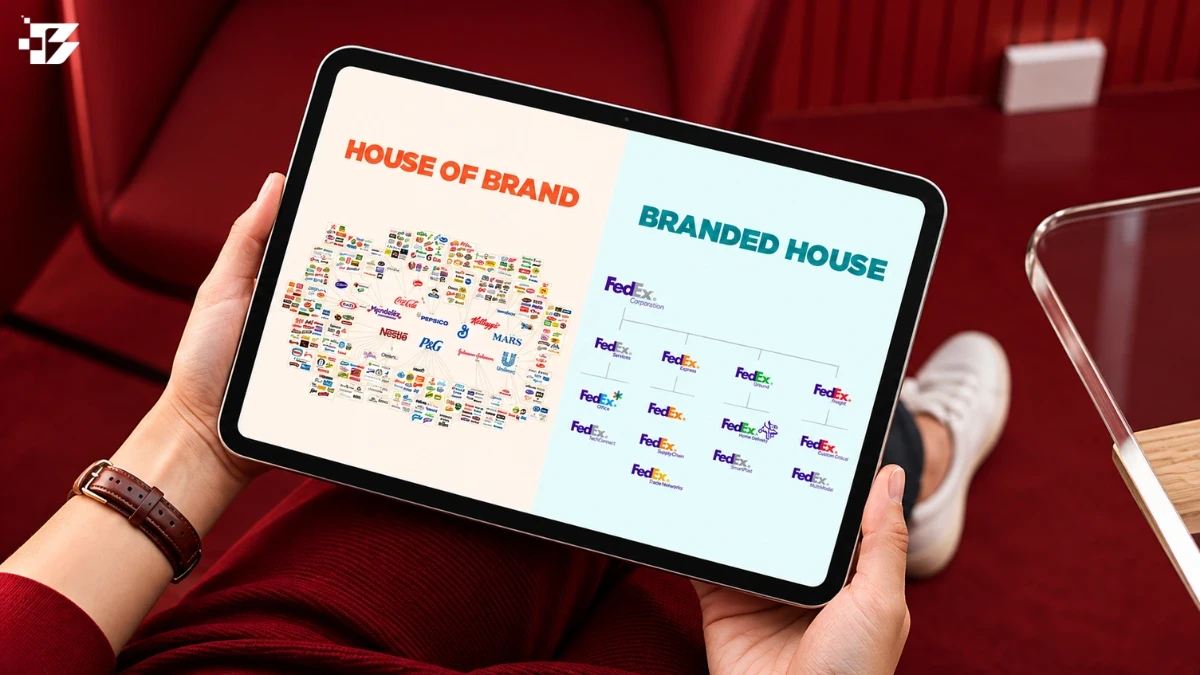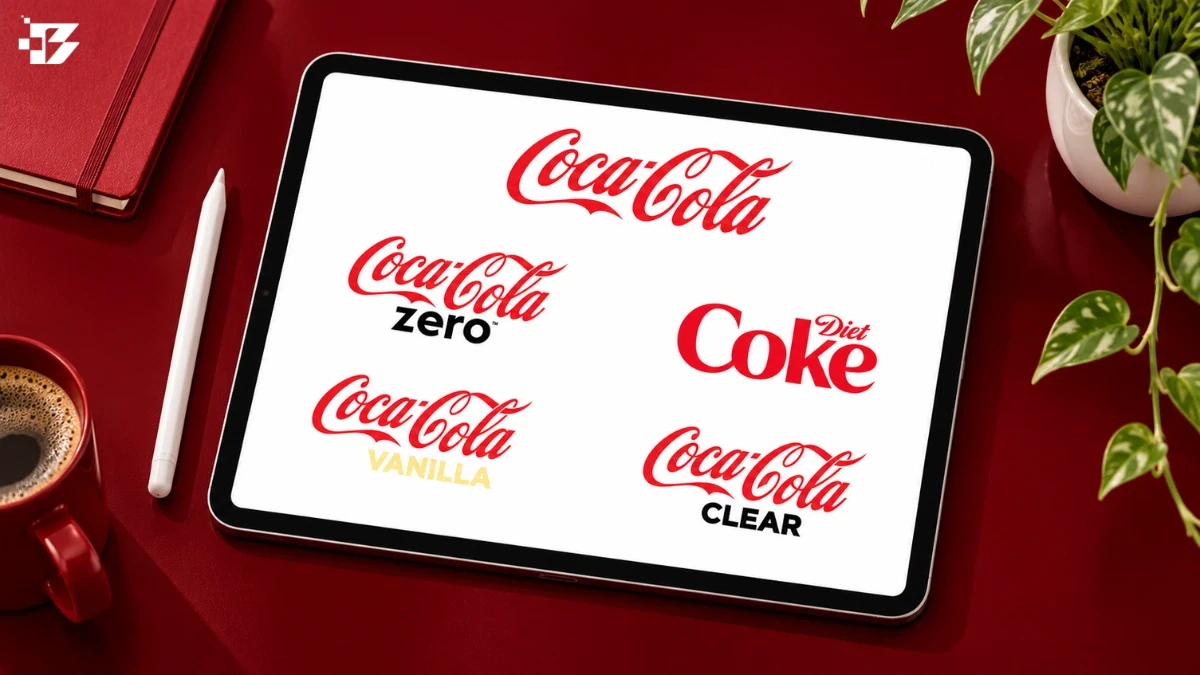
A sub-brand strategy becomes tempting the moment a product feels important enough to deserve its own name. The team sees a new audience, a different experience and a launch worth celebrating.
Customers see another name to remember.
That does not make the idea wrong. A useful sub-brand gives people a meaningful distinction while keeping a valuable connection to the parent. It helps explain why this offer belongs in the family and why it deserves separate consideration.
The decision is whether a lasting identity will make choosing, buying or using the product easier—and whether the business can deliver the promise that identity creates.
Key Takeaways
- A sub-brand gives an offer distinct meaning while retaining a close parent relationship.
- A product name, plan label and sub-brand have different jobs.
- Start with the customer distinction before commissioning a separate identity.
- Evaluate the parent connection, the expected experience and the ongoing work required.
- Test whether buyers understand the relationship, not merely whether they like the name.
- Set review and retirement rules before the portfolio accumulates unnecessary identities.
What Is a Sub-Brand Strategy?

A sub-brand strategy defines how a named offer develops its own identity within a larger brand family.
It should establish the offer’s purpose, the parent relationship, the promise customers should recognise and the boundaries between it and other products. Visual treatment expresses those choices; it cannot substitute for them.
Terminology varies. Some companies call almost every named product a sub-brand. Others reserve the term for offers with distinct positioning and a sustained identity. Agree on a working definition before comparing options.
For this guide, a sub-brand means more than a label: it carries a recognisable promise of its own while remaining closely connected to the masterbrand.
How Is a Sub-Brand Different From a Product Name?
A product name identifies an offer. A sub-brand is expected to build meaning around it.
A reporting tool called “Acme Reports” might simply describe a function. If a named range promises a specific kind of experience, uses a consistent identity across several products and receives sustained communication, it is doing more brand work.
The distinction is a management choice as well as a design choice. Someone must maintain the promise, decide what qualifies for the name and explain it to customers over time.
| Option | Main job | When to consider it | Commitment to examine |
| Descriptive product name | Explain what the product does | The offer fits the parent promise | Clear naming and useful product communication |
| Plan or tier label | Distinguish levels of an offer | Differences concern entitlement or service level | Transparent comparisons and consistent delivery |
| Sub-brand | Establish a lasting distinction within a family | A recurring audience or experience needs its own meaning | Positioning, identity, standards and governance |
| Endorsed brand | Preserve a distinct identity with visible parent support | The individual name matters alongside the parent | Clear roles for both names |
| Independent brand | Lead with a separate identity | The offer needs substantial distance in market meaning | Sustained support for a separate brand |
A different price, additional feature or internal business unit does not automatically justify a sub-brand.
What Can Real Examples Teach Us?
BMW explicitly introduced BMW i as a sub-brand in its 2011 announcement. That historical document connects the identity to a defined initiative rather than presenting it as a new label alone.
BMW’s current M website also shows a named family spanning multiple vehicles, including M and M Performance models. The visible lesson is that a family identity needs rules for the products and experiences it represents.
These examples do not prove a particular naming arrangement produces commercial success. They show the difference between naming one item and organising a continuing proposition.
Jordan provides a useful caution about labels. NIKE’s 2026 annual report identifies Jordan Brand within its brand portfolio. Calling it merely a product line would overlook how the company itself presents the identity. Equally, imposing a generic “sub-brand” label can conceal the specific role a mature brand has developed.
Use examples to sharpen questions. Avoid copying a large company’s structure without its history, recognition and investment.
What Customer Difference Would the Sub-Brand Explain?
Write the difference in an ordinary sentence without using the proposed name.
“This range provides an assisted setup experience for customers who cannot manage implementation themselves” describes a potentially meaningful distinction. “This is our next-generation premium solution” leaves important questions unanswered.
Identify what changes for the buyer: the outcome, service model, purchase criteria, use context or expected relationship. Then assess whether a descriptor could communicate it just as clearly.
Revisit the value proposition. If the team cannot explain the distinct benefit and reasons to believe, developing an identity may be premature.
A new name can attract attention at launch. A lasting sub-brand needs a reason to remain useful after the announcement.
Does the Parent Name Help the Offer?
A sub-brand retains a relationship for a reason. Specify what the parent contributes: recognition, relevant expertise, distribution familiarity or confidence in a particular standard.
Then check that contribution with the intended audience. A parent recognised for accessible consumer products may not automatically reassure a specialist enterprise buyer. Buyers may recognise the company while questioning its ability to deliver the new experience.
The connection also works in the other direction. Consider what the sub-brand suggests about the parent. Does it extend an existing promise credibly, or introduce an expectation the wider portfolio cannot support?
This is where brand positioning matters. A portfolio can accommodate differences, but the team should understand which associations it wants to share and which distinctions it needs to preserve.
Can You Deliver a Different Experience Consistently?
A sub-brand creates expectations before the customer uses the product.
If it signals more personal service, the operating model needs to provide it. If it signals ease, the buying and setup journey should support that expectation. A distinctive name attached to the same confusing experience may create disappointment rather than differentiation.
Document the standards that qualify an offer for the identity. Depending on the business, those might concern support, onboarding, product characteristics, availability or service delivery.
Avoid promises the company cannot control or verify. The standard should be specific enough for teams to apply and for customers to recognise.
Without clear boundaries, other products may gradually adopt the identity because it sounds more attractive. The original distinction then becomes harder to understand.
How Do You Review a Sub-Brand Proposal Reproducibly?

Use a written comparison rather than a naming workshop alone. The following is an editorial review process, not a validated scoring instrument.
1. Define the decision and alternatives
Compare the proposed sub-brand with at least one simpler option, such as a descriptive product name. Include an endorsed or independent identity where there is a credible reason to consider it.
Record which elements remain constant across concepts. Otherwise a polished sub-brand presentation may appear to beat an unfinished alternative because of execution quality.
2. Record evidence for the distinction
List the audience, purchase situation, promise and experience. For each, identify supporting research and unresolved assumptions.
A stakeholder preference is relevant input, but label it as a preference. It does not establish that buyers need another identity.
3. Test realistic customer encounters
Use product pages, comparison screens, proposals and support messages. Ask people what they believe the offer is, who provides it and how it differs from the rest of the portfolio.
Observe misunderstandings about compatibility, service levels or accountability. Ask follow-up questions to understand the reasoning.
4. Compare operating commitments
Estimate identity work, content, channel maintenance, internal training and governance for each option. Include transition work where existing products will change names.
5. Write the recommendation and its limits
Explain why the preferred option fits, what remains uncertain and what would change the decision. Preserve the tested materials so a later reviewer can understand what participants actually encountered.
Qualitative concept work can reveal interpretation problems. It does not establish market-wide preference or prove an uplift in sales.
What Would a Worked Decision Look Like?
Consider the fictional company Haven, which sells home-management software. It plans an assisted service for customers who want the company to configure the system with them.
Assume the parent is recognised by existing customers, the software remains the same and the main difference is the level of human assistance. Those are scenario assumptions, not research findings.
The team compares “Haven Assisted Setup” with a proposed sub-brand, “Haven Atelier.” The second name is intended to signal a more personal experience, but it needs explanation.
The first question is whether buyers need an enduring identity or simply a clear description of the additional service. On the stated assumptions, the descriptive option is a reasonable starting recommendation.
That recommendation could change if the company develops a continuing family of services with a distinct experience, buyers recognise the difference and the team can support consistent standards. Even then, the proposed name needs testing; the need for a sub-brand does not establish that a particular name works.
How would the cost review work?
Use fictional internal estimates to make the comparison explicit. Suppose the descriptive option requires 40 hours of launch work and 6 hours of monthly maintenance. Suppose the sub-brand requires 100 launch hours and 14 monthly maintenance hours.
For a full year, the estimates become:
- Descriptive option: 40 + (6 × 12) = 112 hours.
- Sub-brand option: 100 + (14 × 12) = 268 hours.
- Additional estimated commitment: 156 hours.
These figures are illustrative workload assumptions, not benchmarks. They exclude other launch activity and do not forecast commercial performance.
The question is whether the extra identity work creates sufficient value to justify the commitment. Replace the assumptions with task estimates from the people who will do the work, and include any activities the simple comparison misses.
What Should the Launch Rules Cover?
Write down how the parent and sub-brand appear together, which name leads in each setting and what happens when space is limited.
Include language as well as logos. Teams need a consistent way to explain the relationship on a website, in a sales call and when answering a support request.
Define where the identity applies and where it does not. Establish who approves extensions, partnerships and new products using the name.
Carry these rules into the creative brief. Clear decision rights reduce the chance that every campaign invents a slightly different relationship.
When Should You Retire or Simplify a Sub-Brand?
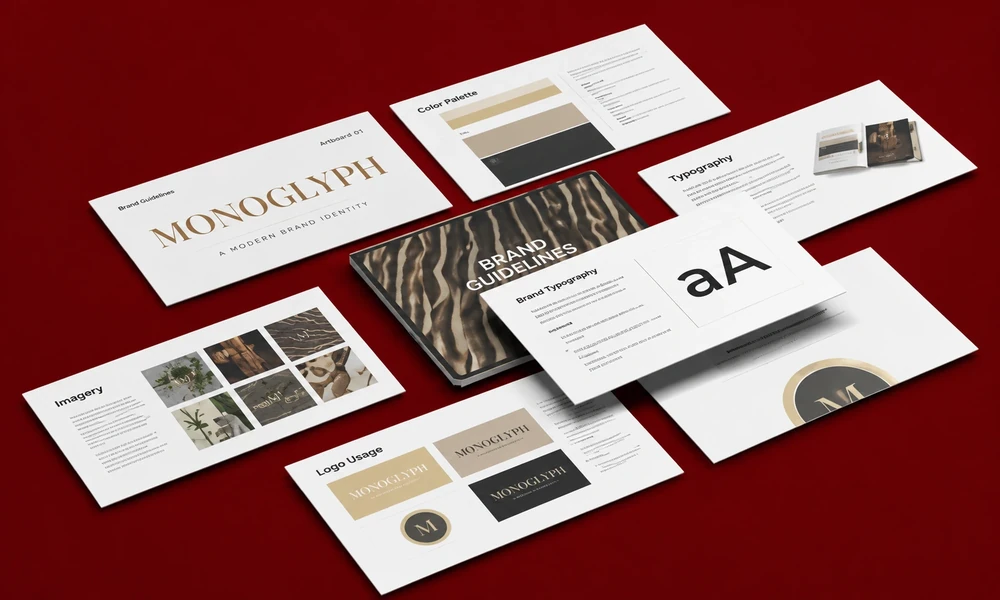
Review it when the original distinction disappears, customers consistently misunderstand the offer or the company can no longer sustain its promise.
Low name recognition alone does not settle the matter. A specialist identity may serve a narrow but useful role. Conversely, recognition does not justify preserving a structure that misleads buyers.
Examine what would be lost through consolidation and what would become easier. Plan changes across customer communication, account access, support references, partner materials and digital destinations where applicable.
A retirement plan should help existing customers find the offer they know. Removing the logo is only one part of that work.
What Should You Check Before Approving a Sub-Brand?
- Is there a lasting customer distinction to communicate?
- Could a product descriptor or service tier explain it adequately?
- Does the parent relationship contribute relevant value?
- Are the promise and delivery standards explicit?
- Can customers distinguish the offer without drawing misleading conclusions?
- Are ongoing workload and transition costs documented?
- Is someone accountable for the identity after launch?
- Are extension and exception rules clear?
- Have research limits and unresolved assumptions been recorded?
- Is there a defined reason to review or retire the identity?
A useful sub-brand makes a meaningful difference easier to recognise. It gives the customer a clearer expectation and gives the business a standard to maintain. If another name cannot do those jobs, a straightforward description may be the stronger choice.
Frequently Asked Questions
Does a sub-brand need a separate logo?
It needs a clear identity system, which may use a controlled variation of the parent identity. A separate symbol is a design decision, not evidence that a sub-brand is strategically necessary.
Does a premium product need a sub-brand?
No. A clearly explained range or tier may be enough. Consider a sub-brand when the distinction involves a lasting proposition and experience that deserve sustained identity work.
Should a sub-brand have its own website?
Only if a separate destination serves the buying or usage journey. The naming decision does not automatically require another domain or a duplicated website.
Can a sub-brand become independent?
It can develop a more independent role, but that change requires a review of recognition, positioning, customer expectations and operating needs. It is not an inevitable stage of growth.
How do you measure whether a sub-brand helps?
Define the intended job first. Assess whether customers understand the offer and relationship, then use appropriate methods to investigate any claimed commercial effects. Track the work required to maintain the identity alongside its benefits.