A credible luxury brand starts with a distinct point of view, then proves it through product quality, selective access, and a consistent customer experience. Your point of view should name who you serve and what your brand believes. Symbolic value is the social, emotional, and cultural meaning customers attach to a brand beyond its practical function.
A lasting point of view guides choices; an attractive visual style or high price alone does not. Founders building in the U.S. market need a clear reason for customers to choose their offer today. The goal is not status for its own sake, but real value and a customer experience that supports the promise.
Key Takeaways
- Choose a specific customer and a clear belief.
- Make the product prove its promise in daily use.
- Let access, service, and marketing reflect the same idea.
- Use quality and consistency to earn customer trust.
- A high price can signal positioning, but it cannot make an imitation feel credible.
What Does Luxury Branding Mean to a Specific Customer?
Luxury branding gives a specific customer a reason to value the offer beyond its practical use. It pairs a product or service with meaning, identity, and a considered experience. Recognition follows when quality, difference, and perceived value meet what customers expect.
Luxury depends on proof and customer recognition, not price alone. A strong brand gives customers something distinct to value, from design and craft to service. U.S. market figures can help you spot possible niches, but they do not tell you which audience to choose.
The U.S. luxury goods market was valued at $112.68 billion in 2025 and is estimated at $115.58 billion in 2026. It is forecast to reach $131.34 billion by 2031, with 2.59% annual growth from 2026 to 2031. The U.S. market estimates also show apparel held 32.29% of the market in 2025.
| Market measure | Category | 2025 share |
|---|---|---|
| Product type | Apparel | 32.29% |
| Sales channel | Single-brand stores | 41.44% |
| End users | Women | 54.84% |
These numbers describe different cuts of the market, not segments you can compare directly.
Online stores are forecast to grow 3.58% each year through 2031, while the men’s segment is forecast to grow 3.07% from 2026 to 2031. Those trends may inform channel or audience choices, but they do not mean every new brand should target them. Choose a first audience by shared needs and taste, not income alone.
How to Build a Luxury Brand With a Credible Point of View
A useful point of view makes a clear choice about whom the brand serves and what it will not imitate. To build luxury fashion, start with a small promise you can deliver, then use it to guide your identity and strategy. Focus helps a new label avoid becoming a vague offer for every affluent shopper.
A distinct belief must guide real decisions, not just a slogan. For more on defining a clear position, use this practical guide to brand positioning and strategy.
Start with a narrow clothing category and customer
To start a luxury clothing brand, pick one category, such as tailored coats or evening bags. A narrow offer helps customers understand what you do well. It also lets you learn which details matter before you widen the range.
Check your likely customer through four questions:
- Which occasions and needs shape the purchase?
- Which colors, forms, and styles feel right to them?
- Which social or cultural groups shape their taste?
- What do they value enough to pay more for?
Turn a distinctive belief into a usable brand position
Make your point of view a decision rule. Test whether it guides product design, the words you use, and the partners you choose. Bang & Olufsen uses design and symbolic appeal to stand apart; Southwest Airlines stresses costs and corporate culture.
A 2026 study of 296 luxury buyers aged 18-35 found that brand coolness raised willingness to pay more, both directly and through brand currency and preference. That finding applies to those participants, not all customers. A brand stands out when its difference is recognizable and competitors cannot credibly copy it. If the idea cannot guide both a product decision and a campaign decision, narrow it before investing.
What Must the Product Prove Before It Earns a Premium?
Customers should be able to point to something real in the offer that justifies its promise. A luxury product needs reliable function, sound materials, skilled work, and attentive service. Finish matters, but it cannot rescue a product that does not work.
Function, durability, and service must match the price you ask. The Branding Journal’s review of 80 luxury brands across eight categories grouped common promises into Time, Rarity, and Endeavor.
Time covers heritage and place of origin. Rarity points to uniqueness and limited resources. Endeavor means craft, personalization, and care with small details. These ideas offer a useful check: does your offer show where it came from, what makes it distinct, and how people made it?
A beautiful campaign cannot compensate for a bag strap that breaks or a service appointment that feels careless. Test the product in ordinary use, not only under studio lights. A premium should feel earned after the first impression fades.
Set a written quality test for each product or service and define what level of flaw requires correction.
How Can Exclusivity Feel Earned, Not Manufactured?
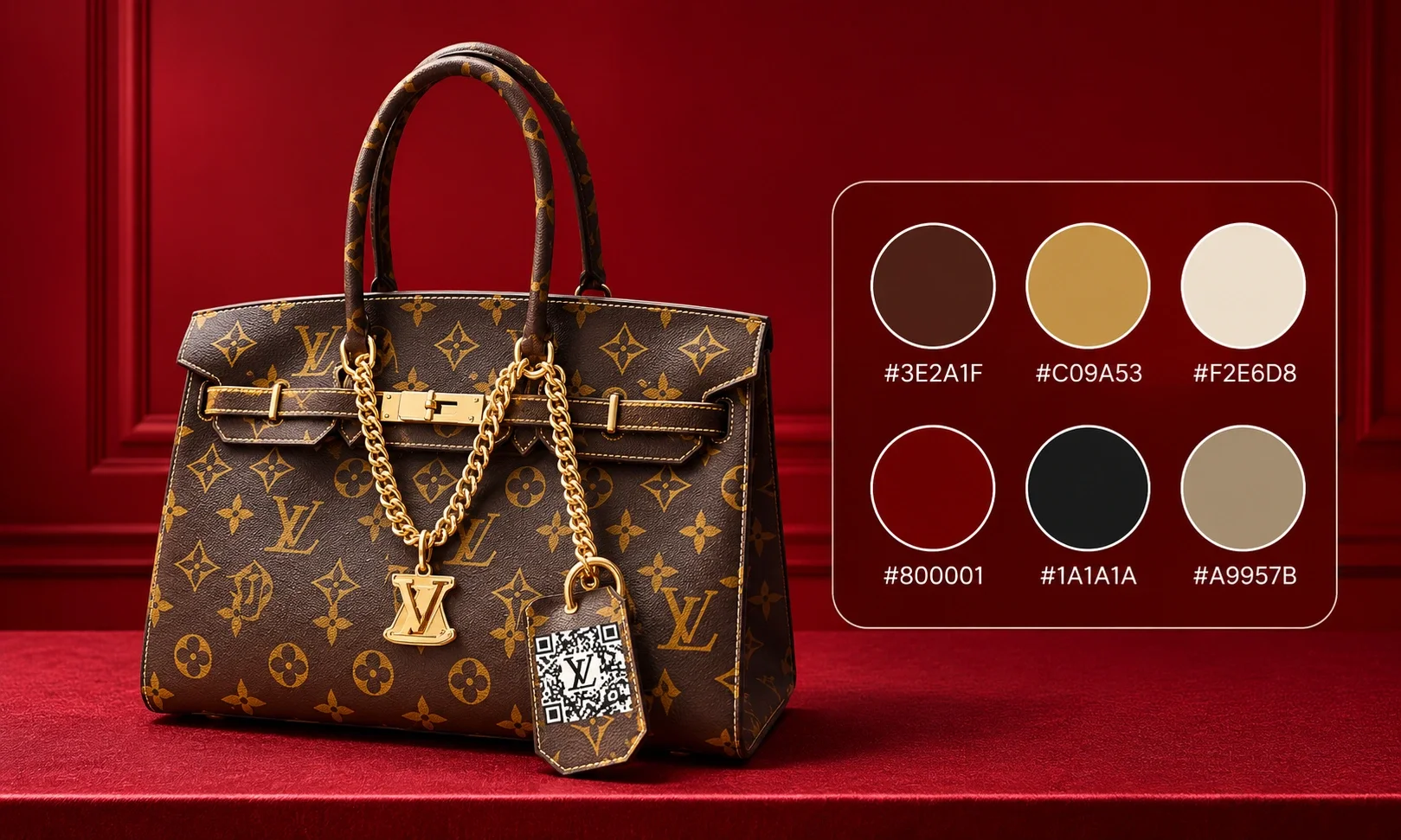
Exclusivity feels credible when the limits have a clear connection to the product, the craft, or the brand’s channel strategy. Real limits come from capacity, careful allocation, or a focused range, not a claim of scarcity without proof.
Set access rules that match how the offer is made and sold. Luxury brands can reserve their most premium products for flagship and direct-to-consumer, or DTC, channels. Wholesale partners can receive a smaller, selected range.
Control supply and reserve the right products
Limited production makes sense when it reflects genuine craft limits or a deliberate decision about supply. Hermès makes Birkin and Kelly bags in small numbers with artisans trained in its workshops. Buyers may wait for a preferred model and leather pairing. That example is not a reason to copy its waitlist.
As Hermès’ Birkin and Kelly production shows, a wait can follow how a product is made. Your approach should fit your own capacity and customer promise.
Keep wholesale and discount rules consistent
Wholesale can extend reach without making every product available everywhere. Fixed quantities help partners plan, while clear pricing rules can limit confusion about discounts. Put three controls in writing:
- Choose which products go to each channel.
- Set order limits for each wholesale partner.
- Record discount conditions and product tracking rules.
Minimum advertised price policies set limits on a partner’s advertised price, while discount rules state when and how sales may happen. Apply each policy consistently and lawfully. Batch codes, tags, and inventory records can help trace products that move outside approved channels.
Stop a partnership that repeatedly breaks distribution rules, even when it brings short-term orders.
How Do You Make Trust and Values Verifiable?
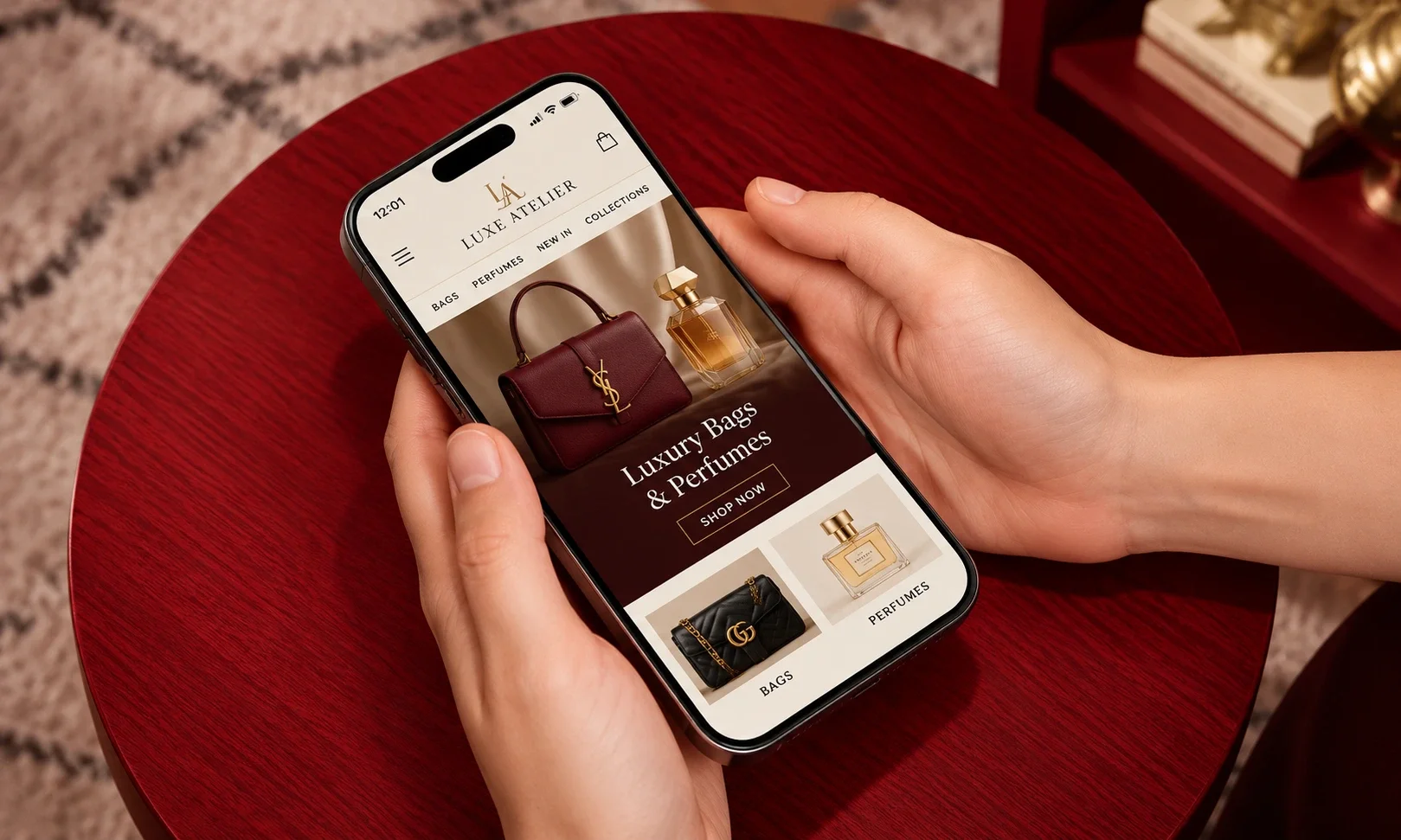
Trust grows when a brand’s claims can be checked against its actual practices and products. Make sustainability statements specific, and show what supports them. Clear proof helps customers judge whether your values belong to the business or only its advertising.
Use evidence for claims, truthful advertising, and careful trademark use. An October 2023 survey found that 22% of U.S. Gen Z consumers and 20% of U.S. Millennial consumers bought only from brands showing sustainability practices or value alignment.
A 2024 study of Chinese buyers of Korean cosmetics tested authenticity through consistency, naturalness, originality, truthful ads, and reliability. Originality had the strongest effect among those factors. That result describes this group and product category, not every U.S. luxury customer.
Use this trust check:
- Substantiate each sustainability claim with records.
- Make sure each ad matches the actual offer.
- Review other brands’ trademarks for confusion or implied sponsorship.
The Lanham Act helps protect buyers from confusion about products and trademark owners from misuse of their marks. Nominative fair use allows a company to name another company’s goods only when it avoids likely confusion or false claims of support. A jury awarded Chanel $4 million in damages in its 2024 trademark case against reseller What Goes Around Comes Around.
For more on customer trust and clear claims, see this guide to U.S. trademark law and fair use. Make each values claim traceable to a documented practice, not just a campaign line.
How Can Customers Recognize the Brand Without Its Logo?
Customers recognize a brand through repeated cues, not by seeing its logo everywhere. Brand codes are recurring visual or sensory cues that help customers recognize a brand across touchpoints. Repeatable cues can build a sense of identity over time.
Choose a few brand codes and use them with care. A brand identity system may include visuals, sound, motion, scent, and retail design. Color, materials, monograms, silhouettes, or a signature movement can each help customers recognize the brand.
A boutique might use the same material on its display trays and package lining. A digital experience could echo that color and texture through motion or sound. Keep the cues useful at each touchpoint, rather than forcing every detail into every space.
Celebrity partnerships work best when they reinforce an identity the brand has already built. Louis Vuitton featured Zendaya in a 2025 campaign, and Chanel partnered with Hailey Bieber in 2024. Those named collaborations show campaign choices, not proof that celebrity exposure alone creates loyalty.
For digital touchpoints, this guide to website design and customer experience covers clear, usable interactions. Test an unbranded product image, package, or store detail with customers before treating a cue as recognizable.
How Should a Luxury Brand Market Its Point of View?
A campaign earns attention when its format makes the brand’s point of view easier to feel or understand. Format matters because a film, game, or artist partnership can express a brand in different ways.
Pick a creative idea that fits the brand and its audience, not just the latest platform. These luxury branding examples use distinct formats, not a formula every brand should copy.
Use storytelling and collaborations to show the brand’s world
| Brand | Campaign or format | Timing | Execution |
|---|---|---|---|
| Gucci | GucciGram and #TFWGucci | 2017 for #TFWGucci | Artists reworked patterns and made branded memes |
| Balenciaga | Afterworld | December 2020 | Collection shown in a playable video game |
| Prada | Timecapsule | Limited monthly releases | Product drops on prada.com |
| Moncler | Genius | Launched February 2018 | Rotating designers, releases, and press cycles |
| Chanel | Inside Chanel | Began 2012 | Short films on its founder, No. 5, and 2.55 bag |
Gucci invited digital artists to reinterpret its patterns and asked internet artists to make branded memes. Balenciaga presented its Fall 2021 collection through the playable game Afterworld. Prada Timecapsule offered monthly limited releases on its site.
Moncler Genius used rotating designers with separate release and press cycles. Chanel’s Inside Chanel films covered the founder, Chanel No. 5, and the 2.55 bag. Bottega Veneta took a different path when it deleted its social accounts in January 2021. That choice is not a universal recommendation.
Story-led content can build feeling when it has a clear purpose. Find ideas for brand storytelling, or review practical content formats for businesses. A digital marketing review of luxury fashion brands describes different approaches across media and company control.
Choose campaigns and channels that fit the audience
Miu Miu ranked first and Loewe second in the Lyst Index reported in September 2025. Miu Miu sales rose 49% in the first half of 2025 compared with the same period in 2024. Its bag charms sold for $240 to $1,250.
Before the pandemic, Gen Z accounted for 4% of global luxury spending. Gen Z was projected to reach 25% by 2030. Treat that as a projection, not a guarantee for your own business.
Check whether a platform suits your target customer, whether its format suits your idea, and whether the content makes the point of view clear. Helpful content, social posts, and email can serve different goals; these guides cover inbound marketing and social media planning. Judge campaigns by fit and meaning, not reach alone. Choose a campaign format that still makes sense if the platform trend disappears.
How Do Luxury Brands Make Money Without Chasing Volume?
Luxury brands make money by selling a differentiated offer at a premium while managing how much they make and where they sell it. Sound economics depend on what customers value and what the business can deliver well.
Build revenue through three connected levers:
- Products with a credible premium.
- A deliberate mix of direct and partner channels.
- Repeat customer relationships or useful services.
Coach revenue rose 9.9% to about $5.6 billion for the 12 months ended in June 2025. In 2023, LVMH reported €86.2 billion, Kering €19.6 billion, and Hermès €13.4 billion in revenue. These are different scale examples, not a model a new company can simply copy.
Revenue growth does not prove that a brand’s long-term value is rising.
Hermès passed Louis Vuitton in Kantar BrandZ’s 2026 ranking of the world’s most valuable luxury brands. Chanel and Louis Vuitton were the only European brands in Kantar’s 2026 Global Top 100 whose valuations fell year over year. European brands in the ranking grew 14% on average. Track revenue alongside margin and repeat customer behavior so growth does not reward dilution.
Conclusion
A credible luxury brand is built when its choices keep proving the same point of view. Customers notice when the product, service, and public promise agree. That agreement gives a brand more than a polished look.
You do not need to settle every future choice today. Write one clear sentence about who you serve and what you believe. Then use it to judge one decision that is already in front of you.
That decision might be a new product detail, a store interaction, or a campaign idea. Keep the test small enough to use this week. Write your one-sentence point of view today, then use it to approve or reject one decision already on your desk.