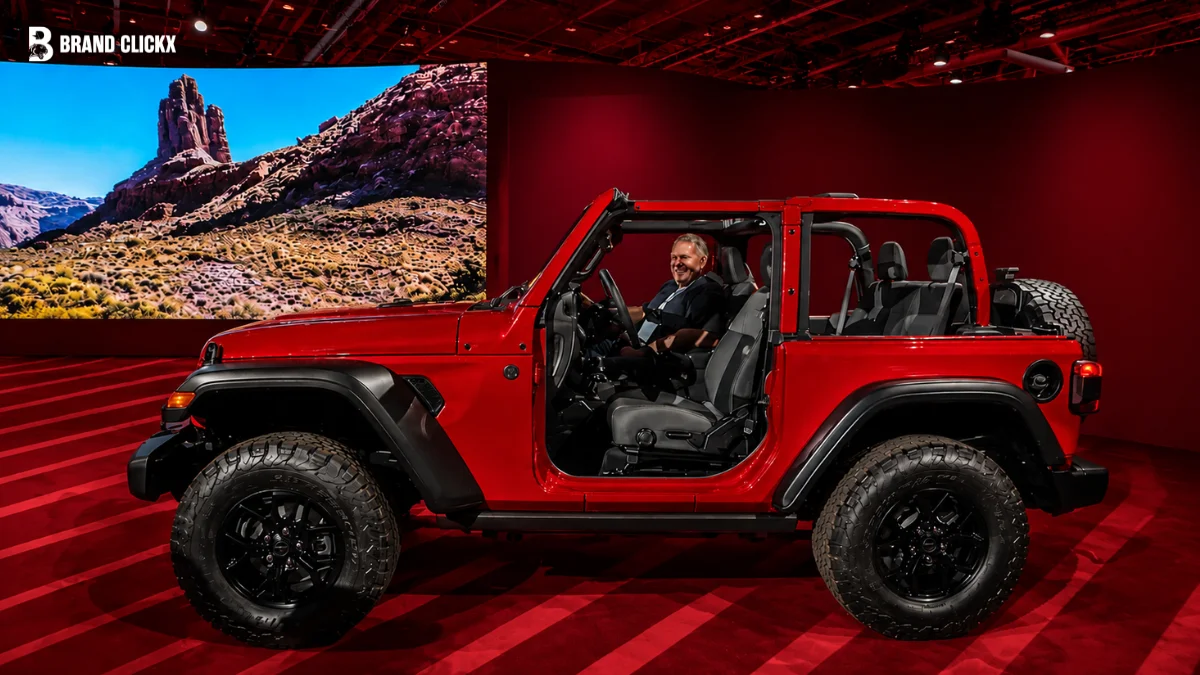
If you have ever wondered who actually sits behind the Jeep badge, the answer is a little more complicated than it first appears. Jeep is unmistakably an American automotive brand, but the company that owns it today is a global automaker headquartered in the Netherlands.
Jeep is owned by Stellantis N.V. Stellantis took ownership of the brand when Fiat Chrysler Automobiles (FCA) merged with France’s PSA Group in January 2021. Today, Jeep sits alongside Ram, Dodge, Chrysler, Fiat, Peugeot, Citroën, Alfa Romeo, Maserati and other brands within the Stellantis portfolio.
That, however, only answers the first part of the question. Jeep has changed hands several times since its World War II beginnings, and Stellantis itself is publicly traded. So who owns Stellantis, how much influence does the Agnelli family have, is Jeep still American, and what has changed for the brand in 2026?
Here is the ownership story without mixing corporate ownership, shareholders and brand identity together.
AI Overview: Who owns Jeep?
Jeep is currently owned by Stellantis N.V., the multinational automaker created in 2021 through the merger of Fiat Chrysler Automobiles and PSA Group. Jeep remains an American automotive brand, but its parent company is Dutch-domiciled and operates globally. Stellantis is publicly traded, with Exor, the Agnelli family holding company, as its largest shareholder.
Key Takeaways
- Stellantis N.V. owns Jeep today.
- Jeep became part of Stellantis in 2021, following the FCA–PSA merger.
- Before Stellantis, Jeep passed through Willys-Overland, Kaiser, AMC, Chrysler, DaimlerChrysler, Cerberus and Fiat Chrysler.
- Jeep is still an American brand, even though its parent company is a global, Dutch-domiciled automaker.
- Exor N.V., linked to the Agnelli family, is Stellantis’ largest shareholder, with about 15.5% economic rights and 23.9% voting rights according to Exor’s current company information.
- Jeep is not owned by Ford, General Motors or a Chinese automaker.
- In 2026, Stellantis is reshaping Jeep’s product and manufacturing strategy, including a planned next-generation Cherokee program at Belvidere, Illinois.
Featured Snippet: Who owns Jeep?
Jeep is owned by Stellantis N.V., the multinational automaker formed in 2021 through the merger of Fiat Chrysler Automobiles and France’s PSA Group. Jeep was previously part of Chrysler and Fiat Chrysler Automobiles. Although Stellantis owns the Jeep brand, its largest shareholder is Exor N.V., the Agnelli family holding company.
Who Owns Jeep Today?
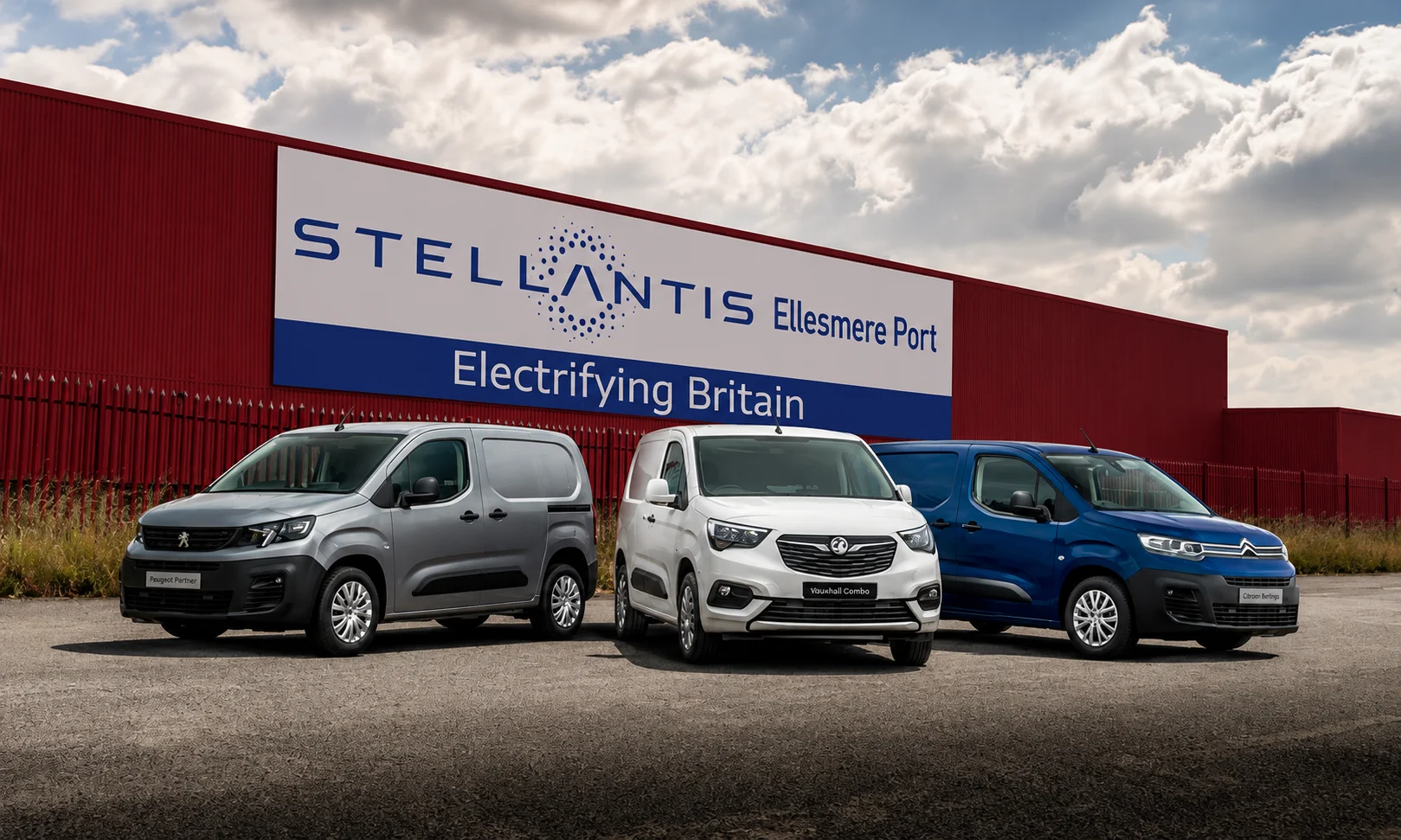
The simple answer is Stellantis N.V.
Stellantis is the corporate parent behind Jeep. The company describes Jeep as one of its 14 automotive brands, and its official brand portfolio includes names ranging from Ram and Dodge to Peugeot, Fiat, Alfa Romeo and Maserati.
The company is Dutch-domiciled and publicly traded. That means Jeep is not personally owned by one individual or family in the way a privately held company might be.
Instead, Jeep belongs to Stellantis, while Stellantis is owned by its shareholders.
That distinction matters because you will sometimes see the Agnelli family described as the owner of Jeep. That is too simplistic. The Agnelli family’s investment interests are connected to Exor N.V., which is Stellantis’ largest shareholder. Exor’s own company information currently lists a 15.5% economic interest and 23.9% voting interest in Stellantis.
So the cleanest way to put it is:
Stellantis owns Jeep. Exor is Stellantis’ largest shareholder. The Agnelli family therefore has significant influence over Stellantis, but it does not privately own Jeep outright.
Is Jeep Still an American Company?
This is where the answer depends on what you mean by “American.”
If you mean the brand’s origins and identity, Jeep is unquestionably American. Its history is closely tied to the U.S. military and the World War II light four-wheel-drive vehicle that became associated with the Jeep name. Jeep itself continues to describe the brand as having more than 80 years of history.
If you mean the corporate owner, the answer is different.
Jeep’s parent company is Stellantis N.V., a multinational automaker headquartered in the Netherlands. The company was created from the combination of FCA and PSA.
So both statements can be true:
Jeep is an American automotive brand owned by a multinational company.
That is why calling Jeep simply an “American company” can create confusion. The brand’s heritage is American, while its corporate ownership is international.
How Jeep’s Ownership Changed Over the Years
Jeep did not arrive at Stellantis in one move. Its ownership history stretches across several major changes in the automobile industry.
Willys-Overland: Where the Jeep Story Began
The Jeep story is rooted in World War II.
The U.S. military needed a lightweight, four-wheel-drive vehicle capable of handling difficult terrain. Willys-Overland became one of the companies most closely associated with the vehicle that eventually became the Jeep.
Ford also produced military vehicles based on the same basic design during the war. After the conflict, Willys moved toward civilian Jeep models, including the CJ series.
The name gradually evolved from wartime slang and a vehicle nickname into an established automotive brand.
Kaiser Jeep
In 1953, Willys-Overland became part of Kaiser.
The Jeep operation eventually became known as Kaiser Jeep, putting the brand under a new corporate owner while continuing its civilian vehicle business.
American Motors Corporation
The next major change came in 1970, when American Motors Corporation, commonly known as AMC, acquired Kaiser Jeep.
AMC expanded Jeep’s role in the passenger-vehicle market and developed models that helped establish Jeep as more than a manufacturer of basic utility vehicles.
Chrysler Buys AMC
In 1987, Chrysler Corporation acquired American Motors.
The deal brought Jeep into Chrysler’s portfolio and made the brand one of Chrysler’s most important assets.
This is also why you may still hear people say that Chrysler owns Jeep. Historically, Chrysler absolutely did own Jeep. Today, however, Chrysler is one of the brands within Stellantis rather than an independent parent company above Jeep.
DaimlerChrysler
In 1998, Chrysler merged with Daimler-Benz, creating DaimlerChrysler.
Jeep remained part of the Chrysler side of the business.
The arrangement did not last forever. Daimler eventually separated itself from most of Chrysler’s operations.
Cerberus and Chrysler’s Restructuring
In 2007, Daimler sold most of Chrysler to Cerberus Capital Management, a U.S. private-equity firm.
Chrysler later entered bankruptcy during the financial crisis. Fiat became increasingly involved in the company, eventually leading to the creation of Fiat Chrysler Automobiles.
Fiat Chrysler Automobiles
By 2014, Fiat Chrysler Automobiles, or FCA, had become the corporate home of Jeep.
This period was particularly important for Jeep. The brand expanded globally and became one of FCA’s most valuable and recognizable names.
Then came the biggest ownership change in the modern history of the company.
Stellantis
In 2021, FCA merged with PSA Group, the French automaker behind brands including Peugeot and Citroën.
The combined company became Stellantis N.V., and Jeep became one of its core brands.
That is the ownership structure that remains in place in 2026.
Jeep Ownership Timeline at a Glance
| Period | Jeep’s corporate owner |
|---|---|
| 1940s–1953 | Willys-Overland |
| 1953–1970 | Kaiser Jeep |
| 1970–1987 | American Motors Corporation |
| 1987–1998 | Chrysler Corporation |
| 1998–2007 | DaimlerChrysler |
| 2007–2009 | Cerberus-controlled Chrysler |
| 2009–2021 | Fiat / Fiat Chrysler Automobiles |
| 2021–Present | Stellantis N.V. |
The exact transition dates around Chrysler’s bankruptcy and Fiat’s acquisition can be described differently depending on whether a source is tracking legal ownership, control or corporate restructuring. The important point is unchanged: Jeep moved from AMC to Chrysler, then through Chrysler’s later transformations, eventually becoming part of FCA and then Stellantis.
Who Actually Controls Stellantis, and Therefore Jeep?
Because Stellantis is publicly traded, there is no single person who owns the entire company.
However, some shareholders have considerably more influence than others.
Exor and the Agnelli Family
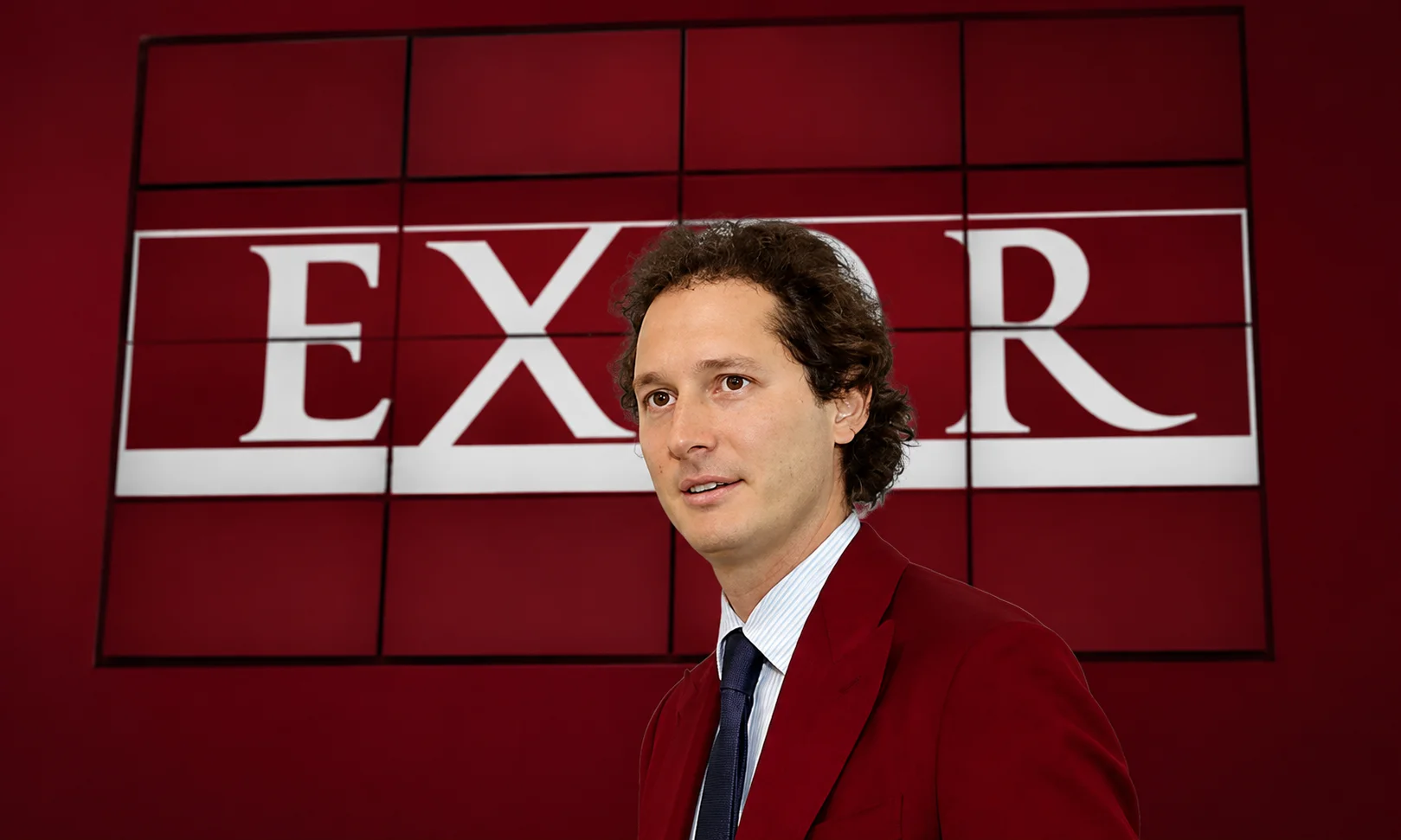
Exor N.V. is Stellantis’ largest shareholder.
Exor’s own current information lists a 15.5% economic interest and 23.9% voting interest in Stellantis.
Exor is connected to the descendants of Giovanni Agnelli, the founder associated with Fiat’s history. The Agnelli family’s influence therefore extends into Stellantis through Exor.
That does not mean the family owns 100% of Jeep. It means they are the largest shareholder group in the public company that owns Jeep.
Stellantis’ governance also reflects this shareholder structure. Its 2026 annual-meeting documents identify Exor and Peugeot-related entities in connection with board nominations.
Other Shareholders
Stellantis also has other major shareholders and a broad base of institutional and public investors.
The Peugeot family’s investment interests remain significant, while other shareholders include institutional investors and the wider investing public.
The practical takeaway is simple: ownership of Jeep flows through Stellantis’ corporate structure rather than through one private owner.
Does the Agnelli Family Own Jeep?
Not directly.
The Agnelli family is associated with Exor, which is Stellantis’ largest shareholder. Exor’s stake gives it considerable influence within Stellantis, including governance influence.
But there is a difference between being the largest shareholder of a public company and personally owning one of that company’s brands.
Think of it this way: Stellantis is the company that owns Jeep. Exor owns a significant stake in Stellantis.
That is why saying “the Agnelli family owns Jeep” without explaining the structure can be misleading.
Does Chrysler Still Own Jeep?
No.
Chrysler no longer operates as an independent parent company that owns Jeep.
Chrysler is itself one of Stellantis’ brands. Jeep and Chrysler therefore sit under the same corporate parent rather than one owning the other.
This is one of the easiest ownership questions to get wrong because Chrysler did own Jeep for many years.
The historical answer is Chrysler. The current answer is Stellantis.
Did China Buy Jeep?
No.
There is no evidence in the current ownership structure that a Chinese company owns Jeep.
Jeep belongs to Stellantis, whose major shareholder structure includes Exor and other investors. Stellantis itself is headquartered in the Netherlands and operates internationally.
Chinese companies have been involved in discussions and partnerships across the global automotive industry, but that should not be confused with ownership of the Jeep brand.
Who Makes Jeep Vehicles?
Owning the brand and physically manufacturing every vehicle are two different things.
Stellantis owns the Jeep brand, while Jeep vehicles are produced through Stellantis’ manufacturing network. Production locations vary by model and market.
That global structure is one reason a Jeep sold in the United States does not necessarily come from the same factory as a Jeep sold elsewhere.
The company also shares technology, platforms and powertrain development across its brands. This is a normal feature of large automotive groups and allows one corporate parent to spread development costs across multiple vehicle lines.
What Brands Does Jeep’s Parent Company Own?
Jeep is part of a much larger automotive family.
Stellantis’ portfolio includes brands such as:
- Jeep
- Ram
- Dodge
- Chrysler
- Fiat
- Alfa Romeo
- Maserati
- Peugeot
- Citroën
- Opel
- Vauxhall
- Lancia
- DS Automobiles
Stellantis describes its business as a group of 14 automotive brands, giving Jeep access to technology, engineering and manufacturing resources across a very large organization.
That shared structure is important when looking at newer Jeep products. A Jeep may carry its own design language and off-road identity while using technology developed within the wider Stellantis organization.
What Does Stellantis Ownership Mean for Jeep?
The ownership change is not just a name on a corporate filing.
It affects how Jeep develops vehicles, chooses platforms, allocates investment and approaches electrification.
One example is Stellantis’ STLA One platform. The company has confirmed that the next-generation Jeep Cherokee will be the first U.S.-built vehicle using the new architecture at the Belvidere, Illinois, plant.
Stellantis has also increased its planned investment at Belvidere to more than $800 million for the program, according to recent reporting.
That gives you a very practical example of what corporate ownership looks like in the real world: Stellantis decides where to invest, which technology to use and where a future Jeep will be built.
What Has Changed for Jeep in 2026?
The ownership question becomes more interesting when you look at what Stellantis is doing with the brand right now.
The company has been adjusting its vehicle strategy after a major reset of its electric-vehicle plans. The supplied research reports a roughly €22.2 billion charge connected to changes in EV projects and strategy in 2025.
That shift has affected Jeep’s product plans as well as other Stellantis brands.
At the same time, Jeep has been showing signs of renewed strength in some areas. The supplied research reports that Jeep’s U.S. sales increased in 2025 for the first time since 2018, with the increase just under 1%.
Early 2026 figures were stronger for several major models. Stellantis reported Wrangler sales up 17% year over year in Q1 2026, while Grand Cherokee sales rose 10% and Grand Wagoneer sales increased 110%. Those figures came from Stellantis’ U.S. sales reporting.
The numbers do not mean every Jeep model is suddenly performing perfectly. They do show why Stellantis continues to place considerable attention on the brand.
Jeep’s 2026 Product Direction
Jeep’s current lineup reflects the company’s attempt to balance its traditional strengths with newer technology.
The Wrangler remains the brand’s best-known off-road model, while the Gladiator gives Jeep a pickup truck in the lineup.
The Grand Cherokee continues to occupy the midsize SUV space, while the Wagoneer and Grand Wagoneer push Jeep into larger and more premium territory.
The Cherokee has also returned as part of the brand’s renewed product push.
Jeep’s electrification strategy has been changing as well. The brand has pursued electric and hybrid vehicles, but Stellantis’ broader strategy now emphasizes a mixture of powertrains rather than treating battery-electric vehicles as the only path forward.
That distinction matters because some earlier Jeep EV plans have been canceled, delayed or changed as Stellantis reassessed demand and investment priorities.
The New Jeep Cherokee and Belvidere
One of the clearest examples of where Jeep is heading is the next-generation Cherokee.
In August 2026, Stellantis confirmed that the next-generation Cherokee will be built at its Belvidere, Illinois, facility and become the first U.S.-built vehicle on the company’s STLA One platform.
The plant had been idle since 2023. Stellantis now plans to invest more than $800 million to prepare it for production.
Current reporting puts the plant’s restart around 2028, with Cherokee production expected later in the decade. Those are announced plans, not vehicles already rolling out of the factory.
That difference is worth keeping in mind whenever you read about future Jeep products. An announced production plan is not the same thing as a completed launch.
Is Jeep Going All-Electric?
No.
Stellantis’ strategy has moved toward a multi-energy approach, rather than an immediate all-electric lineup.
That means Jeep’s future can include battery-electric vehicles alongside hybrids and combustion-powered models.
The change follows Stellantis’ large EV-related financial reset. The company has been trying to match its product plans more closely with actual market demand and profitability.
For Jeep buyers, that means the transition to electrification is unlikely to look like one sudden switch from gasoline to battery power.
Instead, the brand is expected to offer different powertrain choices across different models and markets.
What About Jeep’s Reliability?
This question deserves a careful answer because there is no single reliability number that can accurately describe every Jeep.
Jeep has received mixed reliability assessments over the years, but reliability varies significantly by model, model year and powertrain.
It would therefore be misleading to say that Stellantis ownership either automatically made Jeep reliable or automatically made it unreliable.
If reliability is the reason you are researching Jeep ownership, the better approach is to evaluate the specific model and model year you are considering rather than treating the entire brand as one vehicle.
That is also why a broad “Is Jeep reliable?” answer should not be confused with the narrower question of who owns Jeep.
A Less Obvious Issue: Ownership Does Not Tell You Everything
A large corporate parent can provide resources, but it also means a brand becomes part of a much larger decision-making system.
Jeep shares technology and development resources with other Stellantis brands. That can help spread costs and accelerate new products.
At the same time, decisions made at the parent-company level can affect Jeep even when the decision is not specifically about Jeep.
The recent EV reset is a good example. Stellantis’ wider financial and product strategy changed the direction of several Jeep-related projects.
That is one reason the ownership question is more useful when you understand the structure behind the badge.
A Second Overlooked Point: American Heritage vs Corporate Ownership
People often treat “American brand” and “American-owned company” as interchangeable.
They are not.
Jeep’s American identity comes from its history, military origins, cultural reputation and long-standing U.S. production presence.
Its corporate ownership tells a different story. Today, the brand belongs to Stellantis, a global company with a Dutch legal domicile and operations across multiple regions.
Both parts of the story matter.
A Third Overlooked Point: Jeep Is Not a Standalone Public Company
You cannot buy shares in a publicly traded company called “Jeep” in the same way you can buy Stellantis shares.
Jeep is a brand within Stellantis.
That matters when you read headlines about Stellantis’ stock performance, earnings, investment decisions or shareholder structure. Those developments can affect Jeep, but Jeep itself is not a separately listed company.
Jeep vs Other Major SUV Brands: Who Owns Them?
| Brand | Parent company | Ownership structure |
|---|---|---|
| Jeep | Stellantis N.V. | Publicly traded multinational |
| Ford | Ford Motor Company | Publicly traded |
| Chevrolet | General Motors | Publicly traded |
| GMC | General Motors | Publicly traded |
| Toyota | Toyota Motor Corporation | Publicly traded Japanese automaker |
| Land Rover | Jaguar Land Rover / Tata Motors | Part of India’s Tata Motors |
The important comparison is not which brand feels more American or more rugged.
It is who sits at the top of the corporate structure.
For Jeep, that company is Stellantis.
Who Should Care About Jeep’s Ownership?
You do not need to know Jeep’s corporate history to drive a Wrangler or Grand Cherokee.
Still, ownership becomes useful information if you are researching the brand before buying a vehicle, comparing automakers, following Stellantis’ business strategy or trying to understand why Jeep’s product plans keep changing.
It is especially useful when you encounter conflicting claims such as “Chrysler owns Jeep,” “Fiat owns Jeep,” or “the Agnelli family owns Jeep.”
Those statements describe pieces of the historical or shareholder story, but none is the correct answer to the question who owns Jeep today?
Practical Way to Check Who Owns Jeep
If you come across a new claim about Jeep ownership, you can verify it without relying on social-media posts.
- First, check Jeep’s own corporate information and Stellantis’ official brand portfolio.
- Next, look at Stellantis investor documents when the claim concerns shareholders or voting rights.
- Finally, check the date. Automotive ownership information can become outdated when companies merge, sell assets or restructure their brands.
For current corporate ownership, the strongest starting point is Stellantis itself. Its official brand page lists Jeep within the company’s portfolio.
Common Mistakes People Make About Jeep Ownership
- Mistake 1: Saying Chrysler still owns Jeep. Chrysler historically owned Jeep, but Chrysler is now a Stellantis brand.
- Mistake 2: Saying the Agnelli family directly owns Jeep. Exor, associated with the Agnelli family, is Stellantis’ largest shareholder. That is different from directly owning Jeep.
- Mistake 3: Assuming an American brand must have an American parent. Jeep’s heritage is American, but its current parent is the multinational Stellantis.
- Mistake 4: Treating future Jeep plans as completed products. Announcements about future production should remain separate from models already available to buyers.
- Mistake 5: Using one reliability rating to describe every Jeep. Model, year and powertrain matter, so broad brand-wide claims can be misleading.
The Current Picture: Jeep, Stellantis and the Road Ahead
The most recent developments show that Stellantis is still actively reshaping Jeep rather than simply leaving the brand to run on its existing lineup.
The planned Belvidere investment is one example. Stellantis says the next-generation Cherokee will use STLA One and be built at the Illinois facility.
There have also been significant recalls involving Jeep vehicles in 2026. For example, Stellantis recalled more than one million Wrangler and Gladiator vehicles over a power-steering wiring issue that could create a fire risk.
That does not change who owns Jeep, but it does illustrate something important about the modern brand: Jeep’s products, manufacturing decisions, recalls and technology strategy are all tied to the larger Stellantis organization.
Who Owns Jeep? FAQ
Who owns Jeep right now in 2026?
Stellantis N.V. owns Jeep. Stellantis became Jeep’s parent company when Fiat Chrysler Automobiles merged with PSA Group in 2021. Jeep remains one of Stellantis’ core automotive brands.
Is Jeep still an American company?
Jeep is still an American automotive brand, but it is not independently American-owned. Its roots go back to the U.S. military vehicle program of World War II, while its current parent company is Stellantis N.V., a multinational automaker based in the Netherlands.
Does Chrysler still own Jeep?
No. Chrysler owned Jeep after acquiring American Motors in 1987, but Chrysler is now one of the brands within Stellantis. Jeep and Chrysler therefore share the same parent company rather than Chrysler owning Jeep.
Who is the largest shareholder of Jeep’s parent company?
Exor N.V. is the largest shareholder of Stellantis. Exor’s current company information lists approximately 15.5% of Stellantis’ economic rights and 23.9% of its voting rights. Exor is associated with the Agnelli family, but that does not mean the family directly owns the Jeep brand.
Did China buy Jeep?
No. Jeep is owned by Stellantis, not a Chinese automaker. Stellantis’ corporate structure includes Exor as its largest shareholder and other major investors, while the company itself is Dutch-domiciled.
Are Jeep and Ram owned by the same company?
Yes. Both Jeep and Ram are Stellantis brands. They operate as separate automotive brands but belong to the same larger corporate group.
Is Jeep going all-electric?
No. Stellantis has shifted toward a multi-energy strategy that includes electric, hybrid and combustion powertrains rather than an immediate all-electric transition across the Jeep lineup. The company has also changed or canceled some earlier EV projects as part of its broader strategy reset.
What is happening with the next Jeep Cherokee?
Stellantis plans to build the next-generation Cherokee at its Belvidere, Illinois, plant. The vehicle is expected to be the first U.S.-built model on Stellantis’ STLA One platform, while the plant is being prepared with an investment of more than $800 million.
Is Jeep reliable under Stellantis?
There is no single reliability answer that applies to every Jeep. Reliability can differ by model, model year and powertrain, so a buyer should look at the specific Jeep being considered rather than assuming the entire brand has one reliability record.
Will Jeep be sold as a separate company?
There is no confirmed plan to spin Jeep off as a standalone company in the information available here. Jeep continues to be presented as a Stellantis brand, so claims about a future sale or spinoff should be treated as speculation unless Stellantis officially announces such a move.
Final Answer: Who Owns Jeep?
If you only remember one thing, remember this: Stellantis N.V. owns Jeep.
The badge may still carry the unmistakable character of an American automotive icon, but the corporate story has traveled a long way from Willys-Overland. Jeep passed through Kaiser, AMC, Chrysler, DaimlerChrysler, Cerberus and Fiat Chrysler before becoming part of Stellantis in 2021.
Today, Stellantis is a publicly traded global automaker, with Exor as its largest shareholder. That gives the Agnelli family significant influence, but it does not make them the direct owner of Jeep.
And that distinction brings the whole story back to where we started. When you see a Jeep on the road, you are looking at an American brand with a very long history but behind that familiar grille is a much larger global company.