Quick Answer
A tornado watch means weather conditions are favorable for tornadoes to develop in a specific area. It does not mean a tornado has been spotted. Tornado Watches are issued by NOAA’s Storm Prediction Center, usually several hours before severe weather is expected, giving you valuable time to prepare, review your emergency plan, and monitor official updates.
Key Takeaways
- A tornado watch means conditions are favorable for tornadoes, not that one has been confirmed.
- NOAA’s Storm Prediction Center issues Tornado Watches in coordination with local National Weather Service offices.
- Most tornado watches last 4 to 8 hours, though some can continue for up to 12 hours.
- Use a tornado watch to prepare your emergency supplies and identify your safest shelter.
- A Tornado Warning requires immediate action because a tornado has been detected or observed.
- A PDS (Particularly Dangerous Situation) Tornado Watch signals a much higher risk of strong or violent tornadoes.
Last spring, Sarah was putting her kids to bed when her phone buzzed with a weather alert: Tornado Watch. She looked outside and saw only dark clouds. “If there’s no tornado, why am I getting this warning?” she wondered. Like many people, she wasn’t sure whether to panic, leave the house, or simply ignore it.
That uncertainty is more dangerous than the storm itself. Every year, thousands of people confuse a tornado watch with a tornado warning, and those few minutes of hesitation can make all the difference. A watch is your chance to prepare before a tornado becomes an immediate threat, not after it’s too late.
If you’ve ever asked, “What does a tornado watch really mean?” or “What should I do next?” you’re in the right place. This article explains how tornado watches work, how they differ from warnings and PDS alerts, who issues them, and the practical steps you should take to protect yourself and your family using official, trusted guidance.
What Is a Tornado Watch?
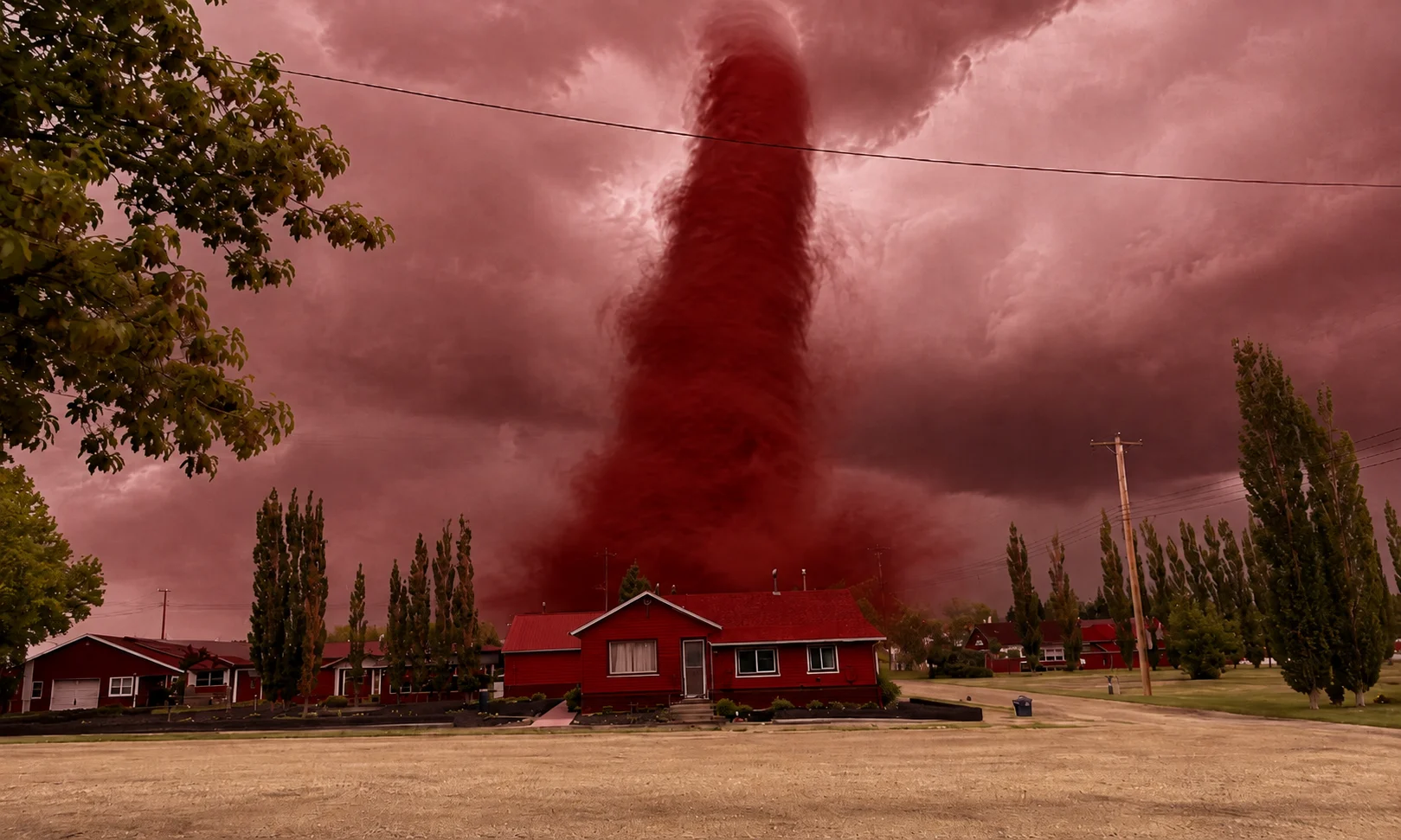
A tornado watch is an official alert issued by NOAA’s Storm Prediction Center (SPC) when weather conditions are favorable for tornadoes to develop.
It does not mean a tornado has been spotted. Instead, it gives you time to prepare, stay informed, and be ready to take shelter if a Tornado Warning is issued.
How Does a Tornado Watch Work?
A tornado watch is issued before severe weather begins when meteorologists identify the right combination of atmospheric conditions for tornado formation. The SPC works with local National Weather Service (NWS) offices, using weather models, radar, satellite imagery, and surface observations to determine whether an area is at increased risk.
Most tornado watches last 4 to 8 hours, although some remain active for up to 12 hours during prolonged severe weather events.
Because a watch can cover multiple counties or even several states, it gives communities valuable time to review emergency plans, prepare supplies, and monitor official weather updates before conditions become more dangerous.
Why Is a Tornado Watch Issued?
Meteorologists issue a Tornado Watch when they expect the atmosphere to support severe thunderstorms capable of producing tornadoes. Several weather ingredients usually come together before a watch is issued, including:
- Warm, moist air near the ground.
- Strong wind shear that helps storms rotate.
- Atmospheric instability that allows storms to grow rapidly.
- Supercell thunderstorms capable of producing tornadoes.
A Tornado Watch covers a large area, often including multiple counties or even several states. That broad coverage allows emergency managers, schools, businesses, and families to prepare before dangerous storms begin.
Tornado Watch vs. Tornado Warning
Many people use these terms interchangeably, but they mean very different things. Understanding the difference can help you make the right decision when every minute matters.
| Feature | Tornado Watch | Tornado Warning |
| Meaning | Conditions are favorable for tornadoes. | A tornado has been spotted or detected by radar. |
| Issued By | NOAA Storm Prediction Center | Local National Weather Service office |
| Coverage | Large area covering multiple counties or states | Smaller, specific warning area |
| Typical Lead Time | Usually 2–6 hours before storms | Around 13–15 minutes before impact |
| What You Should Do | Prepare, stay informed, review your plan | Take shelter immediately |
What Is a Tornado Emergency?
A Tornado Emergency is even more serious than a Tornado Warning. It is a rare enhanced warning issued only when a large, destructive tornado is confirmed and poses an extreme threat to life and property.
If you hear the words Tornado Emergency, do not wait for more information. Go to your safest shelter immediately and remain there until local officials say the danger has passed.
What Should You Do During a Tornado Watch?
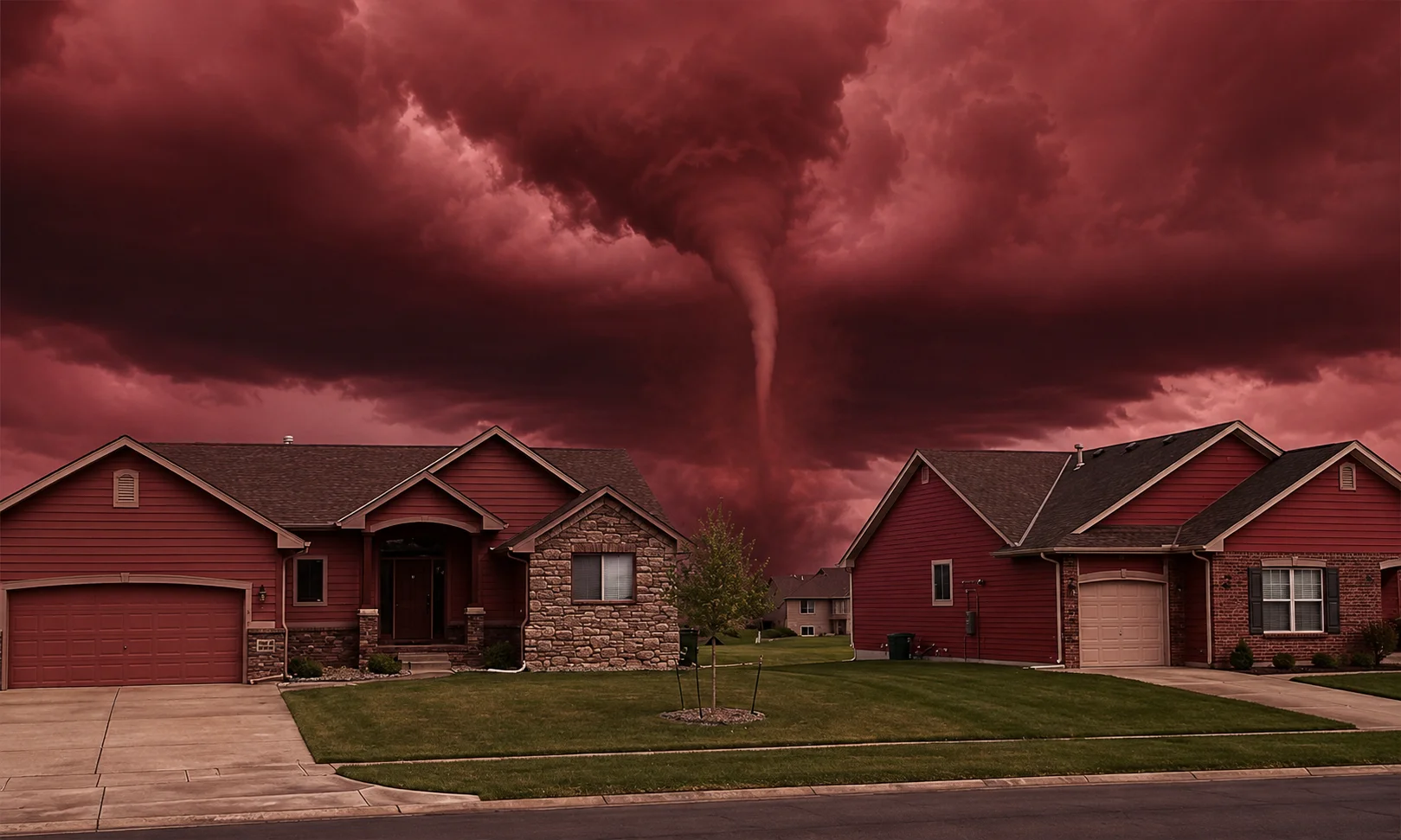
A tornado watch gives you valuable time to prepare before severe weather arrives. Waiting until a warning is issued may leave you with only a few minutes to react. Taking simple steps early can protect you and your family.
At Home
Find the safest place in your house before the storm arrives. A basement is the best option. If you don’t have one, choose a small interior room on the lowest floor, away from windows and outside walls.
Charge your phone, keep flashlights ready, and make sure everyone in your home knows where to go if conditions worsen.
At Work or School
Learn your building’s emergency shelter plan instead of waiting for instructions during the storm. Large buildings often have designated safe areas that provide better protection than offices or classrooms with windows.
If You’re Driving
Avoid starting unnecessary trips during a tornado watch. If you must travel, keep a close eye on weather updates and know where you can quickly find a sturdy building if a warning is issued.
Stay Connected
Monitor trusted weather information through NOAA Weather Radio, local National Weather Service updates, television broadcasts, or reliable weather apps. Don’t depend only on social media, where information can be delayed or inaccurate.
What Does PDS Mean on a Tornado Watch?
Sometimes you’ll see the letters PDS, which stands for Particularly Dangerous Situation.
A PDS Tornado Watch is issued only when forecasters have high confidence that multiple strong or violent tornadoes could develop. It is far less common than a standard Tornado Watch and signals a significantly greater threat to life and property.
Between 2015 and 2024, PDS Tornado Watches accounted for only about 7% of all Tornado Watches, averaging roughly five per year, according to the Storm Prediction Center.
If a PDS Tornado Watch is issued for your area, complete your preparations immediately and be ready to move to shelter without delay if a Tornado Warning follows.
Common Mistakes to Avoid
Many injuries happen because people misunderstand what a tornado watch means. Avoid these common mistakes:
- Ignoring a Tornado Watch because the weather still looks calm.
- Waiting until a Tornado Warning is issued before preparing.
- Depending only on unofficial social media posts.
- Not knowing where your safest shelter is.
- Assuming every family member knows the emergency plan.
Research also shows that repeated false alarms can create “warning fatigue,” causing some people to ignore future alerts. That’s why every Tornado Watch should be taken seriously, even if previous watches did not produce a tornado.
Practical Tornado Watch Checklist
When a Tornado Watch is issued, follow these steps:
- Check official weather updates regularly.
- Charge phones and backup batteries.
- Gather your emergency supplies.
- Move outdoor furniture or loose objects if it is safe.
- Identify your nearest safe shelter.
- Tell family members where to meet if conditions worsen.
- Be prepared to move immediately if a Tornado Warning is issued.
These simple actions take only a few minutes but can make a significant difference if severe weather develops.
The History of Tornado Watches
The modern Tornado Watch has been helping protect lives for more than 70 years. The first public U.S. tornado bulletin was issued on March 17, 1952, ending a period when the word “tornado” was largely avoided in official forecasts because of concerns about public panic.
In 1982, the Storm Prediction Center introduced the first Particularly Dangerous Situation (PDS) Tornado Watch. This enhanced alert is reserved for rare situations where forecasters expect multiple strong or violent tornadoes, giving communities even greater notice of an exceptional threat.
Today, Tornado Watches remain one of the most important tools for severe weather preparedness. They are distributed through NOAA Weather Radio, local National Weather Service offices, television stations, emergency management agencies, and hundreds of weather apps, ensuring millions of people receive timely alerts.
Tornado Watches in 2026: Why They Still Matter
The 2026 tornado season shows why early alerts are so important. According to the research, the United States experienced one of its most active tornado seasons in 14 years, with Illinois recording the highest number of tornadoes, followed by Oklahoma, Nebraska, and Kansas.
Several major outbreaks demonstrated the value of Tornado Watches:
- April 2026: A major Plains outbreak produced more than 20 tornadoes and 128 warnings in the NWS Chicago forecast area.
- May 2026: A PDS Tornado Watch covered parts of Kansas and Nebraska as nearly 50 million people were placed in a high-risk storm zone.
- June 2026: More than 51 tornadoes were reported across Illinois, Indiana, Wisconsin, and Michigan during a regional outbreak.
- July 2026: Around 32 million Americans were placed under a Tornado Watch as severe storms moved across the Mid-Atlantic region. This figure was widely reported but had not been independently verified by NOAA.
These events highlight a simple fact: a Tornado Watch gives communities valuable time to prepare before conditions become life-threatening.
Conclusion
Think back to Sarah, standing in her living room with a weather alert on her phone and wondering whether she should worry. The answer wasn’t to panic, it was to prepare.
A tornado watch is your early opportunity to protect yourself, your family, and your home before severe weather becomes an emergency. Knowing the difference between a watch, a warning, and a PDS alert can help you respond confidently instead of reacting in fear.
Storms cannot always be predicted perfectly, but being prepared is always within your control. When the next Tornado Watch appears on your phone, you’ll know exactly what it means, and more importantly, exactly what to do.
Frequently Asked Questions
What is the difference between a Tornado Watch and a Tornado Warning?
A Tornado Watch means conditions are favorable for tornadoes to develop. A Tornado Warning means a tornado has been spotted or detected by radar, and you should seek shelter immediately. The watch is your preparation time, while the warning is your action signal.
Who issues a Tornado Watch?
Every Tornado Watch is issued by NOAA’s Storm Prediction Center in Norman, Oklahoma, working closely with local National Weather Service forecast offices. These organizations analyze weather models, radar, satellite imagery, and observations before issuing a watch.
How long does a Tornado Watch last?
Most Tornado Watches remain in effect for 4 to 8 hours, although they may continue for up to 12 hours during long-lasting severe weather events. The exact duration depends on how weather conditions evolve.
What does PDS mean on a Tornado Watch?
PDS stands for Particularly Dangerous Situation. It indicates that forecasters have high confidence that multiple strong or violent tornadoes may occur, making it a much more serious alert than a standard Tornado Watch.
Can a Tornado Watch cover multiple states?
Yes. A Tornado Watch often covers a large polygon-shaped area that may include several counties or multiple states when widespread severe weather is expected.
Are Tornado Watches always followed by Tornado Warnings?
No. A Tornado Watch means the atmosphere is capable of producing tornadoes, but not every watch results in one. Even so, every watch should be treated seriously because conditions can change quickly.