


Key Takeaways
- Managed equipment services provide a lifecycle-based approach to medical equipment management.
- A service can cover procurement, installation, maintenance, training, asset management, replacement, and disposal.
- The exact scope differs between contracts.
- MES can help organizations plan equipment costs and future replacement requirements.
- Specialist providers can bring technical and lifecycle-management expertise.
- The model is different from simple equipment leasing or a standalone maintenance contract.
- Healthcare organizations should examine the complete financial and operational terms before signing.
- Performance measures, replacement rules, exclusions, ownership, and end-of-contract responsibilities should be clearly documented.
- A successful MES should support the organization’s clinical, financial, technical, and operational goals rather than simply supplying equipment.
What Is a Managed Equipment Service?
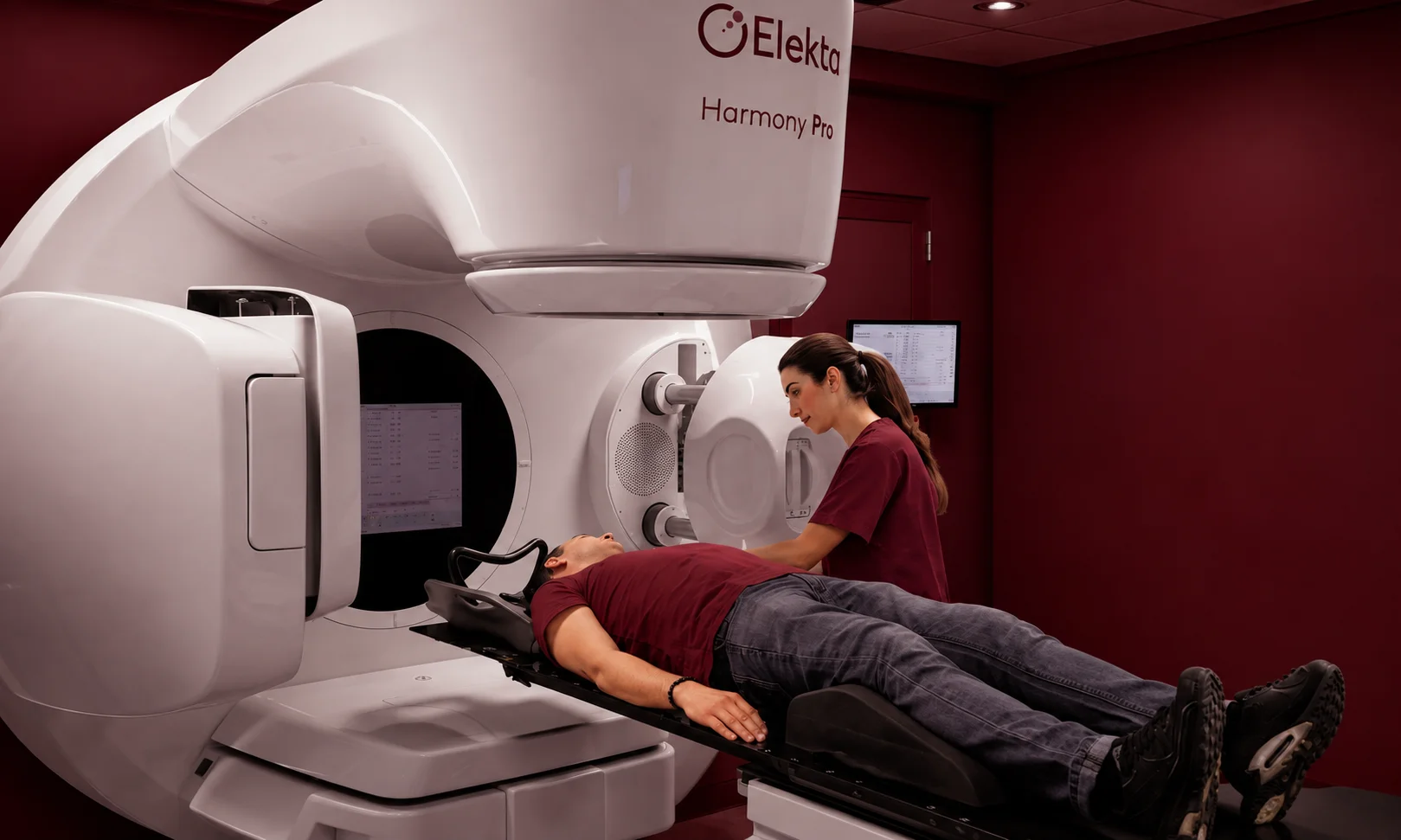
A managed equipment service is a long-term arrangement in which a specialist provider manages defined medical equipment and technology requirements for a healthcare organization.
The exact scope varies from one agreement to another. Depending on the contract, the provider may be responsible for selecting and supplying equipment, installing it, arranging maintenance, supporting users, tracking assets, and planning replacements as technology or clinical requirements change.
This approach moves equipment management away from a series of individual purchases and repairs toward a more structured lifecycle strategy.
For healthcare organizations, that can mean having a clearer plan for how equipment will be acquired, supported, maintained, and eventually replaced.
How Does a Managed Equipment Service Work?
The process usually begins with an assessment of the organization’s equipment requirements.
The provider and healthcare organization can identify existing assets, clinical needs, maintenance requirements, technology gaps, and future replacement priorities. The resulting service agreement then defines what equipment and services are included.
Equipment Procurement
The provider may source and supply the equipment required under the agreement.
Depending on the arrangement, this can reduce the need for the healthcare organization to manage every individual equipment purchase separately. Procurement requirements, technical specifications, and responsibilities should still be clearly established before the agreement begins.
Installation and Commissioning
Supplying equipment is only the beginning.
Medical technology may require delivery coordination, site preparation, installation, testing, commissioning, and documentation before it can be used in clinical settings. These responsibilities can be included within an MES arrangement.
Maintenance and Repairs
Regular maintenance is another central part of the service.
Depending on the agreement, this may include preventive maintenance, inspections, calibration, fault diagnosis, repairs, replacement parts, and service documentation.
Keeping accurate maintenance records can also help organizations understand equipment performance and identify assets that may need replacement.
Staff Training
New equipment is useful only when healthcare staff can operate it correctly.
An MES agreement may therefore include user training and, where appropriate, technical training. Training requirements can also be revisited when equipment is upgraded, replaced, or introduced into a different clinical environment.
Asset and Lifecycle Management
A managed service can provide a central approach to tracking equipment throughout its useful life.
This may include maintaining asset records, monitoring service history, planning maintenance, reviewing equipment condition, and identifying when replacement is appropriate.
Equipment Replacement
Medical technology changes quickly, and older equipment may eventually become difficult or uneconomical to maintain.
A lifecycle-based MES can include an agreed replacement strategy so that equipment does not simply remain in service until a major failure occurs.
Decommissioning and Disposal
The final stage of an equipment lifecycle also needs planning.
When equipment reaches the end of its useful life, the service arrangement may cover its removal and disposal, subject to applicable regulations and contractual responsibilities.
What Equipment Can a Managed Equipment Service Cover?
There is no single equipment list that applies to every MES agreement.
The scope depends on the healthcare organization’s needs and the provider’s capabilities. An arrangement may cover a particular department, equipment category, or a broader portfolio across a healthcare facility.
Examples can include:
| Equipment area | Examples |
|---|---|
| Imaging | Diagnostic imaging and related systems |
| Laboratory | Laboratory and diagnostic equipment |
| Endoscopy | Endoscopic equipment and supporting technology |
| Infusion | Infusion and related patient-care equipment |
| Surgical technology | Equipment used in operating environments |
| Robotics | Medical robotic systems where appropriate |
| Maternity | Equipment supporting antenatal and maternity care |
| Patient care | Selected clinical and monitoring equipment |
The important point is that managed equipment services are flexible. The equipment portfolio should be defined according to clinical requirements, technical needs, service capability, and the terms of the agreement.
What Are the Benefits of a Managed Equipment Service?
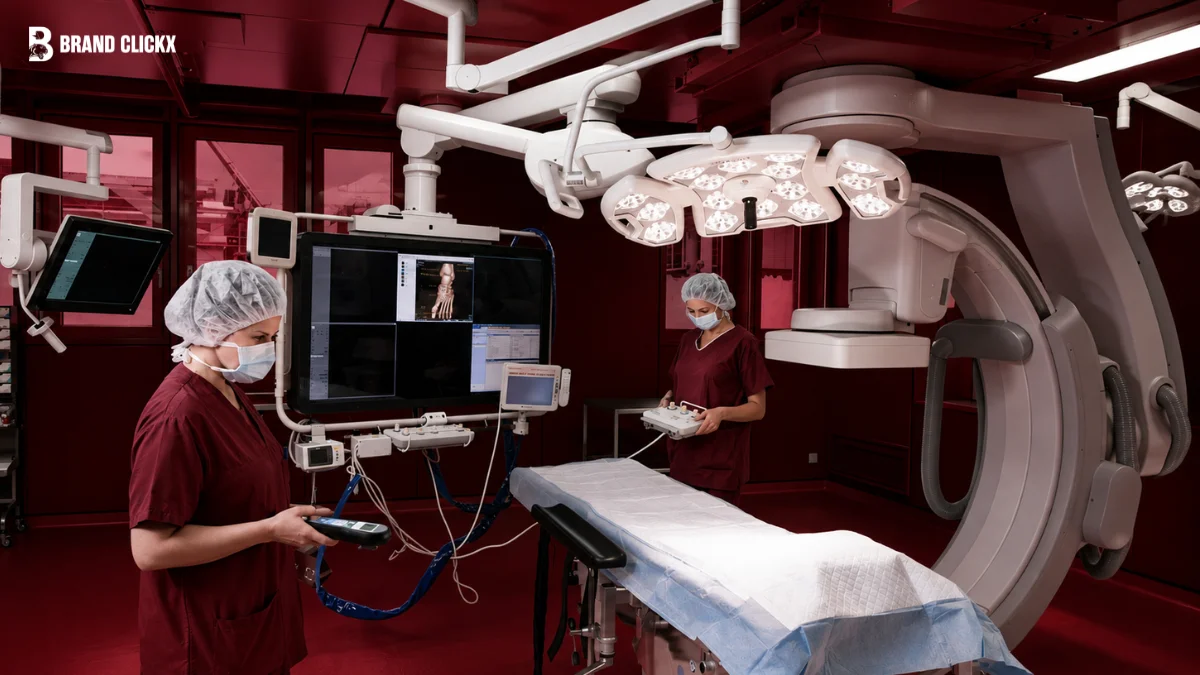
The potential benefits go beyond simply gaining access to medical technology.
More Predictable Equipment Planning
Large equipment purchases can create significant financial commitments.
With an appropriately structured service agreement, costs may be spread over an agreed period rather than requiring the organization to fund every asset purchase at once. The actual payment structure depends on the contract.
Easier Lifecycle Management
Instead of managing procurement, maintenance, replacement, and disposal as completely separate activities, an MES can connect them into one lifecycle plan.
That can make it easier for management teams to understand what equipment they have, how it is being supported, and when future investment may be required.
Access to Updated Technology
Technology replacement can be included within the service strategy.
This can help organizations plan for equipment refreshes rather than relying entirely on individual capital purchases whenever a device becomes outdated.
However, “latest technology” should never be assumed automatically. The contract should clearly explain when and how equipment will be reviewed or replaced.
Reduced Administrative Complexity
Managing a large equipment portfolio can involve multiple manufacturers, maintenance agreements, suppliers, invoices, service records, and replacement decisions.
A managed service may consolidate some of these responsibilities, giving the organization a more centralized way to manage its equipment portfolio.
Specialist Technical Support
Healthcare equipment can require specialized technical knowledge.
Working with an experienced provider can give an organization access to engineers, maintenance expertise, asset-management processes, and equipment knowledge that may otherwise require significant internal resources.
Better Visibility Into Future Requirements
Lifecycle planning can make upcoming equipment needs easier to identify.
Instead of waiting for equipment to fail, organizations can use maintenance information, asset age, condition, technology changes, and clinical requirements to support future replacement decisions.
Are Managed Equipment Services Cost Effective?
Cost effectiveness depends heavily on the structure of the agreement.
An MES should not be judged simply by comparing a monthly payment with the purchase price of one piece of equipment. A meaningful comparison should consider the complete cost and scope of ownership.
This can include:
| Cost or consideration | Why it matters |
|---|---|
| Equipment acquisition | Initial cost or financing arrangement |
| Maintenance | Preventive and corrective service |
| Repairs | Faults, labor, and replacement components |
| Training | User and technical support |
| Replacement | Future technology refresh |
| Administration | Procurement and asset-management workload |
| Disposal | End-of-life responsibilities |
| Contract terms | Included and excluded services |
The organization should also examine interest, financing costs, taxes, consumables, software, upgrades, exclusions, and termination conditions where applicable.
A service arrangement may provide financial and operational advantages, but those benefits cannot be guaranteed without reviewing the actual contract and circumstances.
Managed Equipment Service vs Buying Equipment Directly
The two approaches serve different needs.
| Buying equipment directly | Managed equipment service |
|---|---|
| Organization purchases the equipment | Provider may supply equipment as part of a wider service |
| Organization usually manages its own lifecycle | Lifecycle responsibilities can be shared or outsourced |
| Maintenance may require separate contracts | Maintenance can be included |
| Replacement planning may remain internal | Replacement planning can be part of the agreement |
| Higher upfront capital requirement may apply | Payments may be structured over the service period |
| Greater direct control over individual purchases | Greater emphasis on long-term service management |
Neither model is automatically better.
The right option depends on the organization’s financial position, equipment requirements, internal capabilities, procurement rules, clinical priorities, and long-term strategy.
What Should You Check Before Signing an MES Contract?
A managed equipment service can involve a significant long-term commitment, so the details matter.
Before signing, healthcare organizations should understand exactly what the provider is promising and what remains their own responsibility.
Check the Equipment Scope
Make sure the contract clearly identifies which assets are covered.
It should also explain what happens if new equipment is added later or if an existing device is removed.
Understand Maintenance Responsibilities
Ask what preventive maintenance and repairs are included.
It is equally important to identify exclusions, including parts, consumables, software, specialist repairs, or services that may carry additional charges.
Review Performance Requirements
If the agreement includes availability or response-time commitments, the terms should be measurable.
Avoid relying on vague phrases such as “high uptime” without defining how performance will actually be calculated.
Examine Replacement Rules
Technology replacement is one of the important aspects of an MES.
The agreement should explain when equipment can be replaced, what triggers a review, what type of replacement is expected, and how technology changes are handled.
Consider the End of the Agreement
Do not focus only on the first few years.
Understand what happens when the contract expires, including equipment ownership, removal, data, documentation, software, outstanding maintenance, and transition to another provider.
Who Can Benefit From Managed Equipment Services?
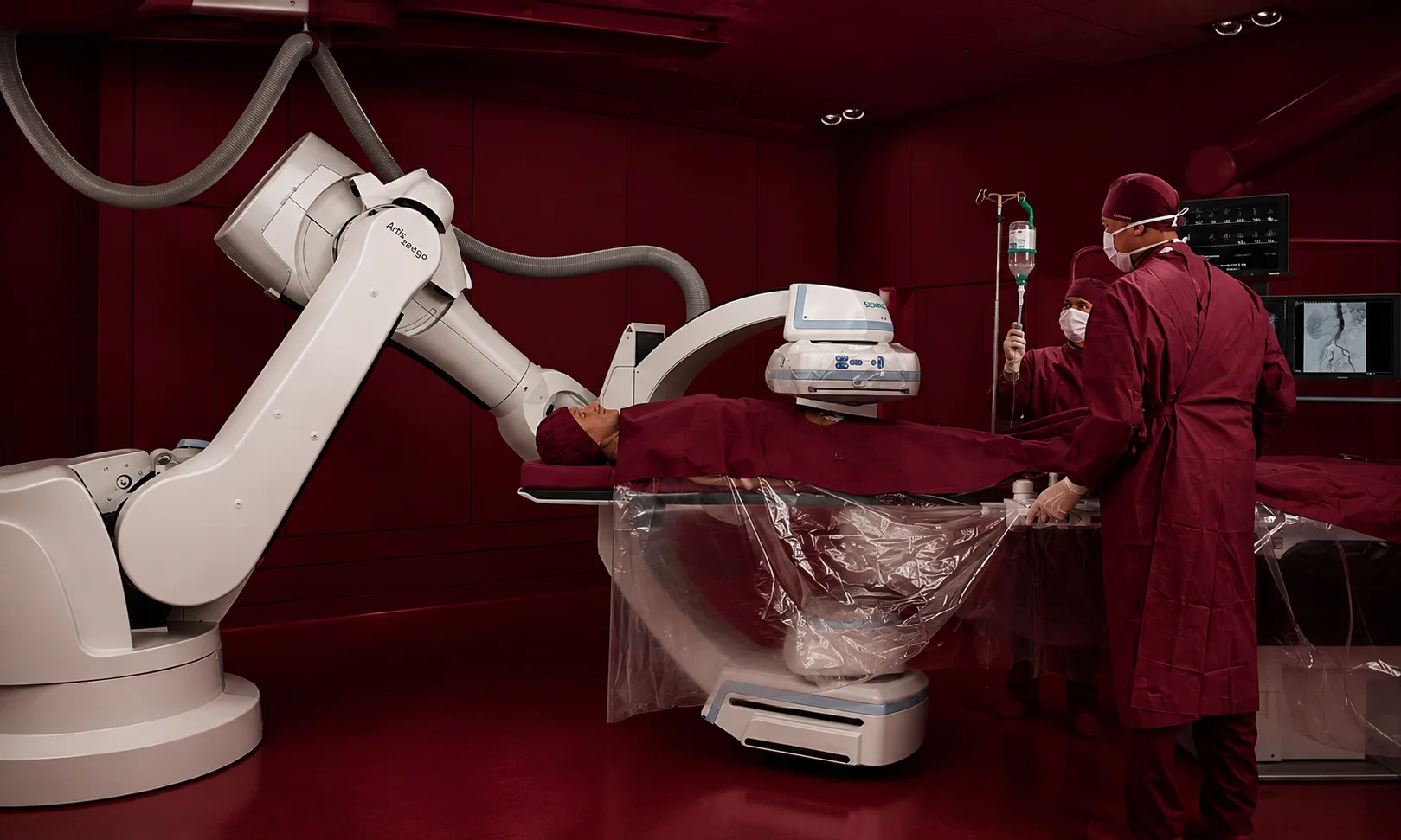
MES can be particularly relevant to healthcare organizations that manage large or complex equipment portfolios.
Hospitals, healthcare networks, diagnostic services, and other organizations may consider the model when they want to combine equipment acquisition with longer-term lifecycle support.
It can also be useful when internal teams are dealing with multiple suppliers and maintenance agreements and want a more coordinated management structure.
However, the suitability of MES should be assessed on an individual basis rather than assumed simply because an organization operates in healthcare.
Common Misunderstandings About Managed Equipment Services
“MES Is Just Equipment Leasing”
Not necessarily.
Leasing mainly concerns access to or financing of an asset. A managed equipment service can include a much broader package covering maintenance, support, training, asset management, replacement, and other lifecycle activities.
“Every MES Contract Includes Everything”
This is another common misconception.
There is no universal MES package. Responsibilities vary according to the provider, equipment portfolio, organization, and contract.
Always check the service specification rather than assuming something is included.
“The Cheapest Monthly Payment Is the Best Deal”
A lower payment does not automatically mean lower overall cost.
The complete financial picture should include the services provided, contract length, exclusions, financing costs, replacement arrangements, and end-of-contract obligations.
The Future of Managed Equipment Services
Healthcare equipment management is becoming increasingly connected with digital asset tracking, data management, remote support, cybersecurity, and more structured lifecycle planning.
As medical technology becomes more sophisticated, organizations need to think beyond the initial purchase.
That makes the basic idea behind managed equipment services increasingly relevant: equipment should be planned and managed as a lifecycle rather than treated as a one-time purchase.
The strongest approach is one that connects clinical needs with financial planning, technical support, maintenance, training, technology replacement, and responsible end-of-life management.
Frequently Asked Questions
What is a managed equipment service in healthcare?
A managed equipment service is a long-term arrangement in which a specialist provider manages agreed medical equipment and related services. Depending on the contract, this can include procurement, installation, maintenance, training, asset management, replacement, and disposal.
How long does a managed equipment service agreement last?
There is no universal contract length. The duration depends on the equipment, service scope, financing structure, procurement requirements, and agreement between the parties.
Does an MES provider own the medical equipment?
It depends on the contract. Some arrangements can involve provider ownership, while other structures use different ownership models.
Does MES include equipment maintenance?
Maintenance is commonly included, but the exact services vary. The agreement should specify preventive maintenance, repairs, response times, parts, exclusions, and other responsibilities.
Can MES include equipment replacement?
Yes. Replacement planning can be part of the service, although the timing and conditions should be clearly defined in the agreement.
Is managed equipment service only suitable for large hospitals?
No. The model can potentially be considered by different types of healthcare organizations. Whether it makes sense depends on equipment volume, complexity, financial requirements, internal resources, and the desired service scope.