A luxury customer experience works when every interaction, not just the package, makes the customer feel understood and valued. Packaging is one touchpoint in a longer relationship. A journey map is a visual outline of customer interactions before, during, and after a purchase.
In a 2026 survey of more than 2,000 luxury clients in the United States and China, emotional connection ranked ahead of craftsmanship, heritage, and exclusivity as a driver of desirability in both markets. That finding points to a simple goal: make the experience feel personal from discovery through ownership. You can use a map to spot moments where service, digital tools, packaging, or follow-up fall short.
Key Takeaways
- Map discovery, evaluation, purchase, and ownership.
- Keep service consistent across online and in-person channels.
- Use customer preferences with care and consent.
- Design store visits to respect the customer’s time.
- Make packaging memorable, useful, and easy to sort.
- Keep care, repair, and accessible service in the plan.
Start by judging every interaction by whether it saves the customer effort or strengthens the relationship.
How to Design a Luxury Customer Experience Beyond Packaging at Every Touchpoint
A useful journey map starts where customers actually discover a brand, which may be a resale platform or a peer recommendation rather than a store. Your map should cover every touchpoint, from first impression to product ownership. Check four stages: discovery, evaluation, purchase, and ownership.
Discovery may start with creators, resale platforms, peer networks, or AI tools. US luxury clients use these routes while researching brands, sometimes before visiting a boutique. Each route shapes what the customer expects from the brand story and its products.
Evaluation is where the customer compares quality, price, service, and identity-fit. In a 2026 survey, 68% of US luxury consumers said newer or disruptive brands better reflect their identity, compared with 63% for established luxury houses. A consistent story helps the customer see how the brand fits their values at each stage.
Keep the brand story consistent across discovery, evaluation, purchase, and ownership, while letting each interaction fit its channel.
Use this checklist to make the map practical:
- Discovery: Where does the customer first hear about the brand?
- Evaluation: What details help the customer judge fit and quality?
- Purchase: Where does the customer need help to complete a sale?
- Ownership: What support does the customer need after the purchase?
Millennials and Gen Z were projected to account for roughly 45% of luxury retail by the end of 2025. Treat that figure as a past forecast, not a current market-share measure. Their habits still offer a useful prompt: check whether your brand story speaks to the people you want to serve.
For a clear narrative across channels, use practical brand storytelling techniques that keep the same core message while adapting its form. Mark the point where customers must repeat information or switch channels, because that is a practical signal of friction.
How Can Client Advisors Make Service Feel Personal?
A customer who mentions a preference should not have to explain it again, but the advisor should still check whether it applies today. A thoughtful client advisor uses notes to prepare, then listens to the customer in front of them. Product quality and exceptional customer service must work together, according to 90% of luxury customers.
Use preferences without making the interaction feel scripted
Keep preference records only with the customer’s consent, and make it easy to correct or remove them. Notes should capture useful details, such as a preferred fit, color, or contact method. Check names for accuracy before using them.
Use a note as a starting point, not a script. Ask a brief question before acting on an old preference, especially when the choice affects a product or service. A customer’s needs may change between visits.
Empathetic listening helps the client advisor understand what matters today. Give the customer room to explain, then offer relevant options in plain language. A study on personalization in physical stores describes how human and technology-based approaches can work together.
Anticipate needs and adapt when they change
Anticipation is useful when it removes a step the customer would otherwise need to take. It becomes intrusive when the advisor assumes a customer’s budget, tastes, or plans without asking. Offer an alternative when a known preference no longer fits.
Concierge-style coordination can also make service feel personal. A client advisor might arrange a product viewing, coordinate a delivery time, or connect the customer with the right specialist. The service should match the request, not become a reason to collect more details.
In 2026, 28.6% of surveyed luxury executives identified customer experience and loyalty as the strongest growth opportunity. That focus calls for service with both care and judgment. Give advisors room to verify a preference instead of treating an old profile note as an instruction.
What Makes an In-Store Visit Feel Worth the Customer’s Time?
A store visit feels worthwhile when its atmosphere supports the brand story and the customer can get help without being rushed. A coherent sensory environment uses light, scent, sound, texture, and displays with care. Each cue should support the same impression rather than compete for attention.
Build a coherent sensory environment
Use a small set of sensory details that suit the brand. Soft lighting can help customers see materials and colors, while clear displays make products easier to compare. Sound should allow conversation, and scent should not overpower the space.
Liberty London combines signature fragrances, fabric samples, historical displays, private personal-shopping suites, and artisan demonstrations. Brunello Cucinelli boutiques use home-like seating, soft lighting, library sections, communal tables, and refreshments. Hermès’ New York flagship offers a rooftop terrace and café, giving the visit a social setting.
These stores take different paths, but each gives customers a reason to stay beyond browsing a shelf. Research on luxury retail and home-like settings explores how stores can balance a welcoming feel with a distinct brand identity.
Give the visit a useful pace and purpose
Offer a clear next step when the customer arrives, then let them set the pace. Seating can help during a longer product review, while a quick question should not require a formal appointment. Keep service points easy to find.
CXG’s benchmark found definite purchase intent among 25% of clients spending less than 10 minutes in-store. It found strong purchase intent among 40% spending 11-20 minutes, and more than 60% spending 30 minutes or longer. These bands describe intent, not proof that a sale will happen.
US luxury store openings totaled 123,000 square feet in the first half of 2026, down 46% from 227,000 square feet in the first half of 2025. Stores under 2,500 square feet made up 48.4% of tracked openings in that period, while 39.3% of luxury executives were planning store-network optimization. The first-half 2026 store-opening figures support careful choices about where and how brands serve customers in person.
A smaller network makes each visit’s design and service choices more visible. Use time spent in-store as a diagnostic for service design, not as a sales target or guarantee.
How Should Digital and In-Person Channels Work Together?

If a customer begins a conversation online and continues it in a store, the advisor should not make them start over. A connected omnichannel experience gives the customer a consistent record across the website, chat, social media, and store. Customer history should travel with the conversation, with consent and sensible limits.
Connect customer history and service across channels
Let customers move between channels without losing a product question, appointment request, or delivery detail. A client advisor should see the relevant context before helping, rather than asking the customer to repeat basic information.
Plan response targets by channel. Customer expectations include email within four hours, immediate live chat, and social-media replies within one hour for 60% of customers. These are service-planning targets, not universal legal requirements.
Luxury goods e-commerce sales surpassed department-store volumes in 2025. A clear, mobile-friendly site can support research and buying alongside in-person service. Use a well-designed business website to help customers find information and take the next step.
Use digital tools to make advice more useful
Choose digital tools for a specific customer need, such as seeing product details or testing a color choice. The table shows how four brands use them:
| Brand or tool | Customer interaction | Specific function |
|---|---|---|
| Gucci Live | Personalized video appointment | Real advisors show close-up product views |
| Burberry Bespoke | Online product customization | Choose fabric, lining, buttons, and embroidery |
| Cartier engraving | Personalized product detail | Add custom engraving |
| Estée Lauder Virtual Foundation Tool | Phone-camera shade help | Find a suitable Double Wear shade |
Generative AI adoption spans selected uses and core systems. In 2026, 41.2% of surveyed luxury companies were implementing it in selected areas, while 11.9% had embedded it in core functions. Pick tools that aid a real task, and keep a human option close by.
For site usability, review clear UI and UX practices that make choices and next steps easier to find. Offer an easy route to a real person whenever a digital interaction cannot resolve the customer’s need.
Which Exclusive Experiences Make Customers Feel Recognized?
An exclusive benefit feels valuable when it gives a customer access that fits their interests, not simply another status label. US luxury consumers ranked early access, limited editions, and membership-like benefits among the strongest drivers of exclusivity in a 2026 survey. Make each benefit useful to the people invited.
Consider these four options:
- Early access to a collection before its wider release.
- Limited-edition products with a clear reason for their scarcity.
- Membership-like benefits that reward continued engagement.
- Curated travel or well-being experiences tied to customer interests.
An invitation-only preview can feel personal when it gives customers time to see a collection with care. A relevant partner experience can do the same, especially when it reflects an interest the customer has shared. US luxury clients showed particular interest in lifestyle experiences such as travel and well-being activities.
Do not make access feel like a test the customer must pass. Explain who can take part and how to use the offer. Avoid benefits that are hard to book, unrelated to the brand, or so widely available that customers see no distinction.
Travel, dining, and well-being can add meaning when the brand has a natural connection to them. For more ideas about small experiences that bring pleasure to daily routines, see small luxuries in everyday life. Before adding a perk, check that the intended customer can understand, access, and use it.
What Role Should Packaging Play in the Wider Experience?
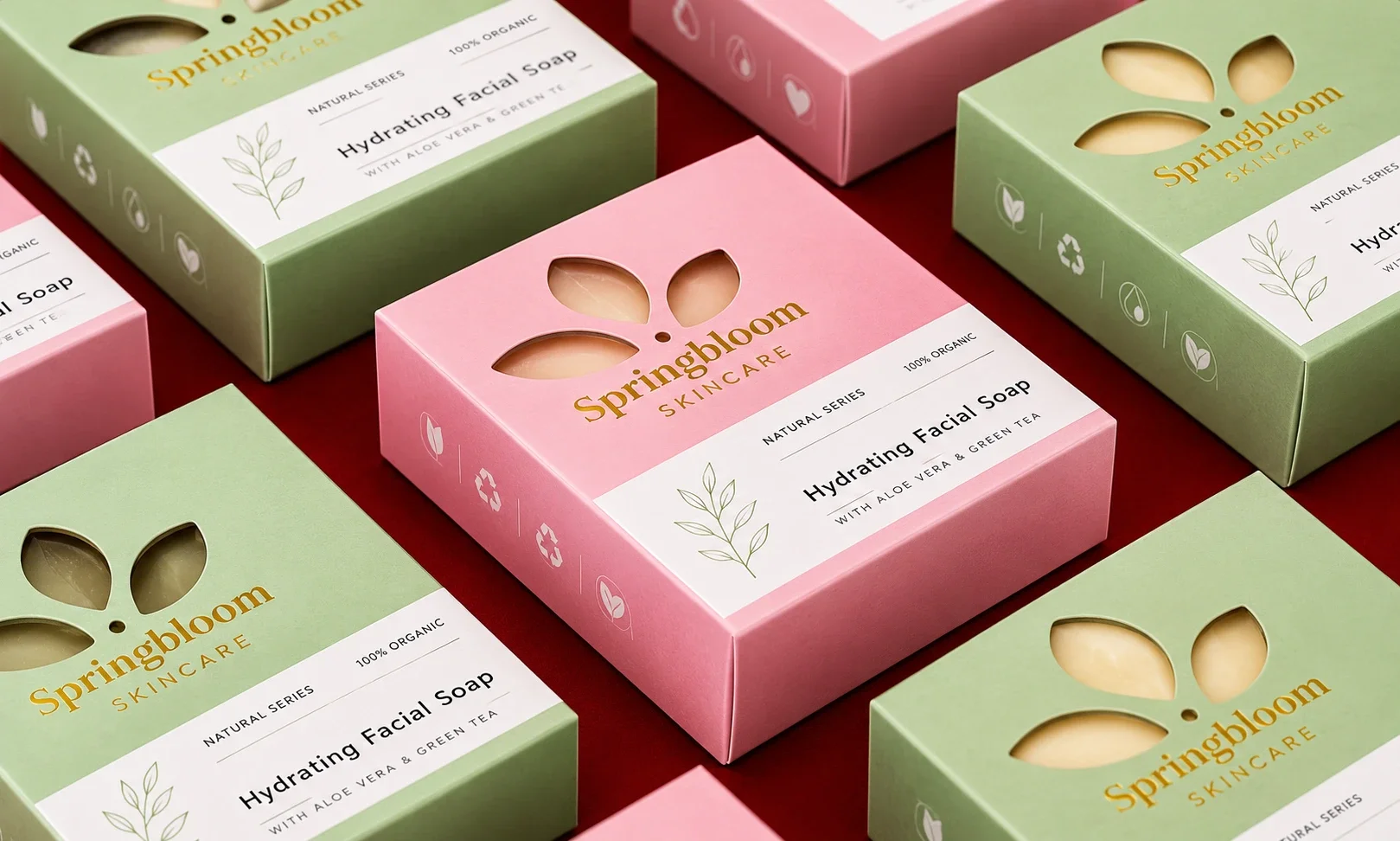
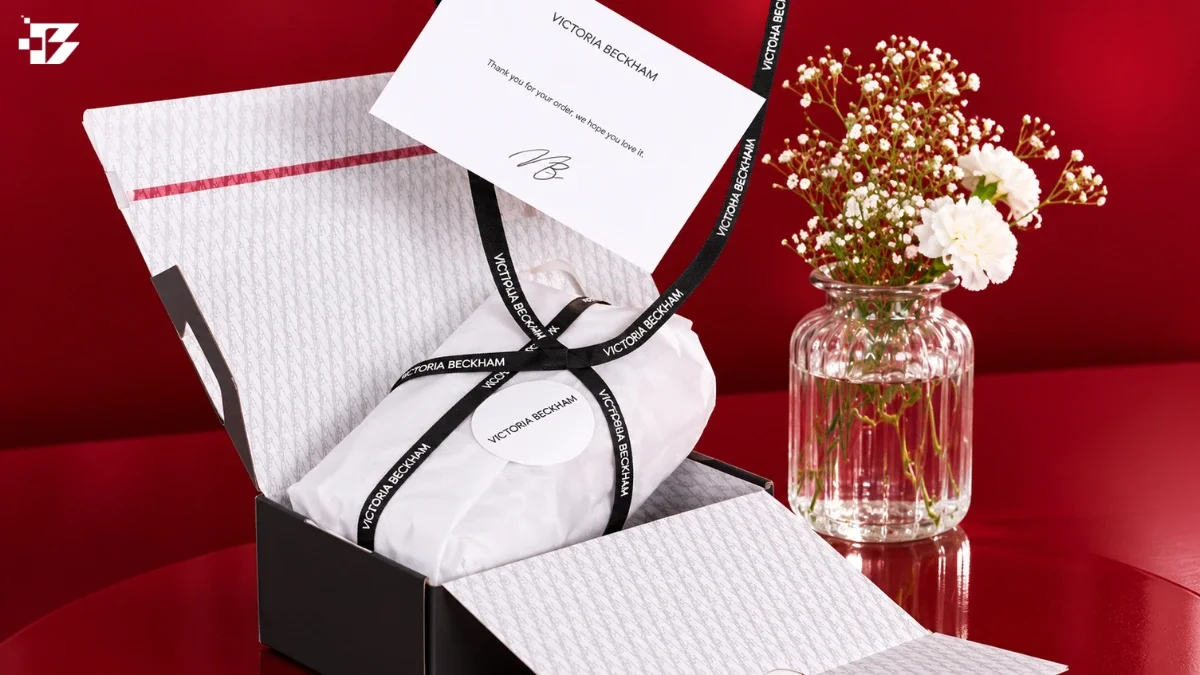
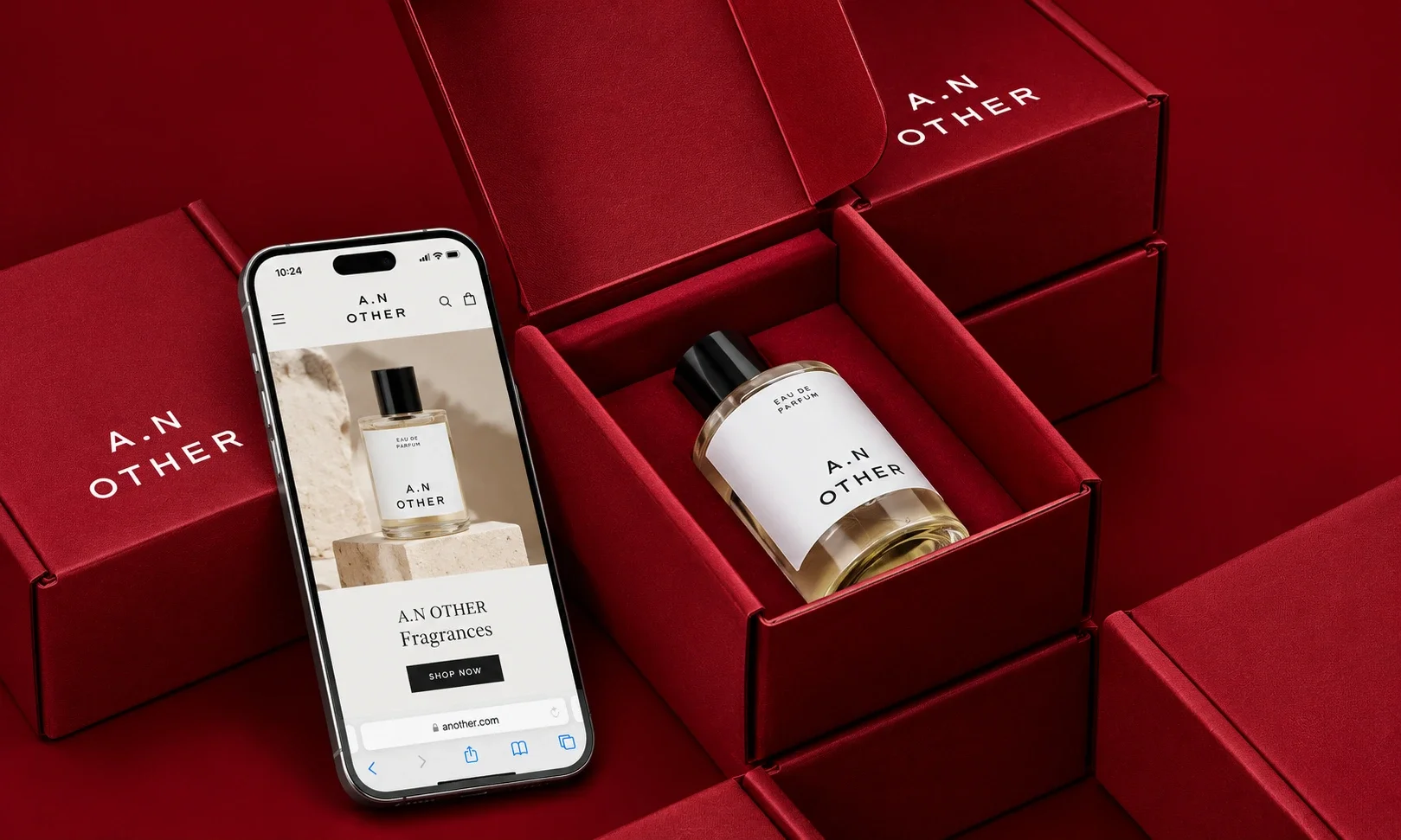
Packaging works best as one carefully designed moment in a journey that already feels consistent before delivery. Thoughtful luxury packaging design uses weight, texture, color, sound, and precision to support the brand story. The box should help the customer recognize the brand without carrying the whole experience.
Choose sensory details and materials with restraint
A firm box, clean edges, and a simple opening can signal care without adding layers the customer does not need. Tiffany & Co.’s robin’s-egg-blue box and white satin ribbon make its packaging recognizable. Apple places the iPhone first, with accessories and product literature beneath it, shaping a clear reveal.
Those examples use different cues: one relies on an iconic color and ribbon, while the other sets a product hierarchy. Strong packaging design starts with the item, then adds only the materials and graphics that improve protection or meaning.
Category figures offer context, not a promise of return for one brand. The luxury packaging market was projected at USD 19.66 billion in 2026 and USD 24.17 billion by 2031, with a projected 4.22% annual growth rate. Paper and paperboard held 43.26% of the market by material in 2025.
Make the unboxing, story, and end-of-life feel connected
Rigid boxes and folding cartons represented 41.19% of the market by format in 2025, while cosmetics and fragrances accounted for 36.63% of market share. One survey found 61% of consumers more likely to repeat a purchase with premium packaging. That measure does not show what any single packaging choice will achieve.
Customers also care about waste. In the reported survey, 67% placed high significance on recycled packaging, 54% considered sustainable packaging when choosing a new product, and 83% of consumers aged 44 and under were willing to pay more for eco-friendly packaging.
Consider recycled or recyclable paperboard, mono-material designs, and refillable or reusable formats. Mixed materials and finishes can make recycling harder when parts cannot be separated. A restrained QR code or NFC feature can share provenance or brand content without crowding the design.
The unboxing experience should also explain what the customer has received and how to handle each part. Prototype the opening sequence and check that the customer can separate and dispose of its materials as intended.
How Can Post-Purchase Care Build Long-Term Loyalty?
A considered follow-up helps customers use and care for what they bought instead of treating checkout as the end of the relationship. A relevant message can thank the customer, share care guidance, or check that a product arrived as expected. Make each contact useful to the customer, not just visible to the brand.
Stay helpful after the sale
Send a thoughtful thank-you and product-care advice that matches the item. A brief satisfaction check-in can catch delivery or use questions while they are still easy to resolve. Invitations and service reminders should reflect preferences the customer has shared.
Set a clear reason for each message. A care tip after delivery may help the customer protect a delicate product. A reminder can point to a service the customer may need, rather than asking for another purchase without context.
For a smoother follow-up process, use a practical retail website checklist to review checkout, customer feedback, and post-purchase messages.
Make repair, resale, and trade-in part of ownership
Repair supports a product the customer already owns; resale and trade-in help the customer pass it on or exchange it. Not every product suits every option, so explain the terms and limits clearly.
In 2026, 28.6% of luxury executives named customer experience and loyalty as the strongest growth opportunity. The same survey found many companies offered care and resale services:
| Program | Share of surveyed companies | Customer ownership option |
|---|---|---|
| Repair or refurbishment | 68.3% | Keep and restore an owned product |
| Certified pre-owned or trade-in | 53.8% | Trade in or buy a checked pre-owned item |
| Resale-platform partnerships | 44.5% | Resell through a partner platform |
These programs give customers different ways to keep, exchange, or resell a product. Make the next contact relevant to the product or the customer’s expressed preference, not just the brand’s campaign calendar.
How Do You Make the Experience Accessible to More Customers?
A refined experience is not truly attentive if a customer cannot enter, navigate, understand, or use the service. Accessibility belongs in the whole experience, from covered spaces to service steps. The 2010 ADA Standards set minimum access requirements for covered facilities in new construction and alterations.
Apply accessibility requirements to covered spaces
The standards give scoping and technical rules for making covered facilities usable by people with disabilities. The right details depend on the project and the rules that apply to it. For covered alterations, the ADA Title III path-of-travel rule treats costs as disproportionate when they exceed 20% of the cost of the alteration to the primary-function area.
That 20% threshold applies to those path-of-travel costs for covered alterations. It is not a general cap on accessibility spending. Review the ADA path-of-travel cost rule in the context of the specific work.
Check the whole service journey for avoidable barriers
Use this checklist to spot barriers across the customer journey:
- Entrances and routes: Can customers enter and move through the space?
- Seating and service points: Can customers reach and use them?
- Clear communication options: Can customers get information in a usable form?
- Accessible digital interactions: Can customers navigate and complete key tasks?
- Staff readiness: Can employees offer help without making assumptions?
Online access matters alongside physical access. Check whether a customer can find product details, book help, and complete a task with the tools they use. People who test website navigation can reveal barriers that a team may miss during routine reviews.
Check each point where a customer must enter, move, read, listen, communicate, or act. A barrier at any one step can block the whole service.
For a specific project, check the applicable requirements with an accessibility professional or the relevant authority. Test the experience with people who use different access features, then resolve barriers within the requirements that apply.
Conclusion
A luxury experience is strongest when the customer feels recognized at every stage, not only when the purchase is presented. The best improvements remove friction while making the customer feel known and respected. Consistency matters more than adding another touchpoint.
Start with one moment where customers wait, repeat details, or lose confidence. Ask what would make that interaction easier, then choose a change the team can measure through feedback or service results. One clear owner helps the work move from an idea to a real improvement.
Choose one high-friction touchpoint, ask customers what would improve it, and give a named team member responsibility for the change.