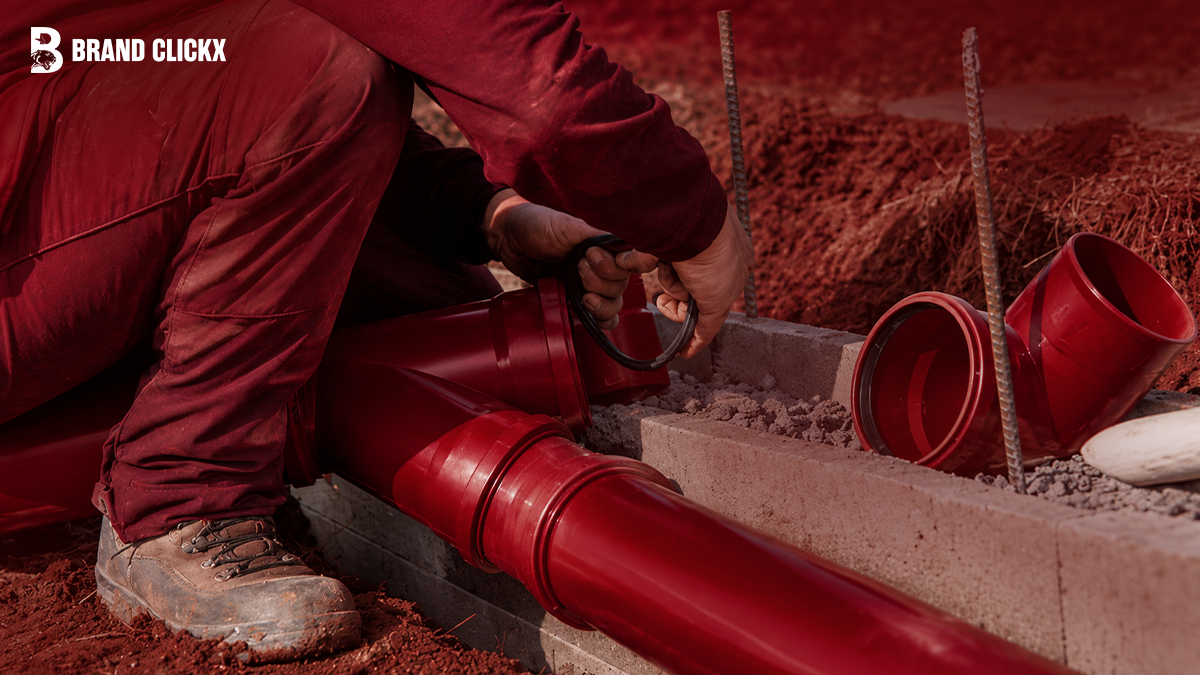
Imagine walking into your kitchen one morning and noticing a foul smell that wasn’t there yesterday. Later that day, the toilet starts gurgling, and water drains more slowly than usual. At first, it seems like a simple plumbing issue. But after a professional inspection, you learn the real problem is a damaged sewer line.
A sewer line repair can range from a quick fix to a major project, depending on the extent of the damage.
Understanding the warning signs, repair methods, and costs early can save you thousands of dollars and prevent extensive property damage. This guide explains everything homeowners need to know to make confident, informed decisions.
AI Overview
Sewer line repair is the process of fixing damaged underground pipes that carry wastewater from your home to the municipal sewer system or septic tank.
Common problems include tree root intrusion, cracked pipes, corrosion, and blockages. Repairs may involve spot repairs, trenchless technologies such as pipe lining or pipe bursting, or traditional excavation.
The right solution depends on the pipe’s condition, repair cost, and long-term durability.
Key Takeaways
- Early warning signs can prevent costly sewer emergencies.
- Trenchless repair minimizes yard damage but isn’t suitable for every situation.
- Tree roots remain one of the leading causes of sewer line damage.
- Professional camera inspections help identify the exact problem before repairs begin.
- Repair is often more affordable than replacement when damage is localized.
- Choosing an experienced contractor is just as important as selecting the right repair method.
What Is Sewer Line Repair?
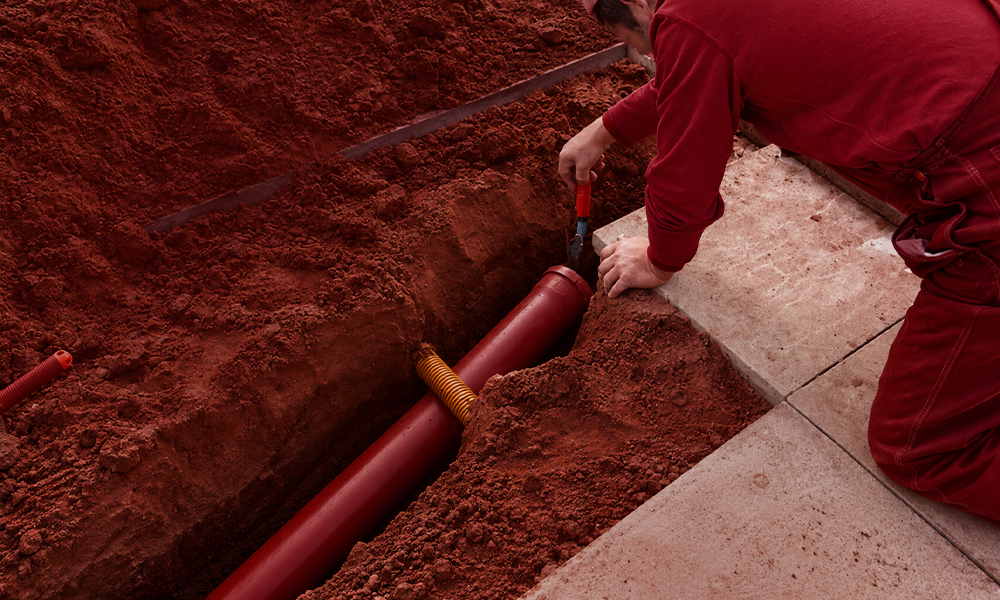
Sewer line repair is the process of restoring a damaged underground sewer pipe that carries wastewater away from your home. Depending on the severity of the damage, repairs may involve spot repairs, pipe lining, pipe bursting, or traditional excavation to restore proper flow and prevent future leaks.
What Is Sewer Line Repair?
Your home’s main sewer line transports wastewater from sinks, toilets, showers, and appliances to the public sewer system or a septic tank.
When this underground pipe develops cracks, collapses, blockages, or root intrusion, wastewater can no longer flow properly. That’s when professional sewer pipe repair becomes necessary.
In many cases, only the damaged section requires repair. However, severely deteriorated pipes may require a complete sewer line replacement instead.
Repair vs. Replacement
Repair is typically the better option when:
- Damage is limited to one area.
- The rest of the pipe remains structurally sound.
- Modern trenchless methods are possible.
Replacement becomes necessary when:
- The pipe has collapsed.
- Multiple sections have failed.
- The system has reached the end of its lifespan.
7 Warning Signs You Need Sewer Line Repair
Ignoring small plumbing problems often leads to expensive repairs later. Watch for these common warning signs.
1. Slow Drains Throughout the House
If several drains empty slowly at the same time, the issue may be deeper than a simple clog.
2. Sewage Odors
Persistent sewer smells inside or outside your home often indicate leaking wastewater underground.
3. Gurgling Toilets
Air trapped inside damaged sewer pipes frequently causes bubbling or gurgling sounds after flushing.
4. Frequent Backups
Repeated backups are a strong indicator that wastewater cannot move through the sewer line properly.
5. Wet or Soggy Areas in the Yard
Unexpected wet patches or standing water may signal a leaking underground sewer pipe.
6. Unusually Green Grass
Leaking wastewater acts as fertilizer, causing certain sections of your lawn to grow faster than surrounding areas.
7. Foundation Cracks or Sinkholes
Long-term leaks can weaken soil beneath your home, eventually leading to structural issues.
If you notice more than one of these symptoms, schedule a sewer inspection as soon as possible.
What Causes Sewer Line Damage?
Several factors contribute to sewer line problems.
Tree Root Intrusion
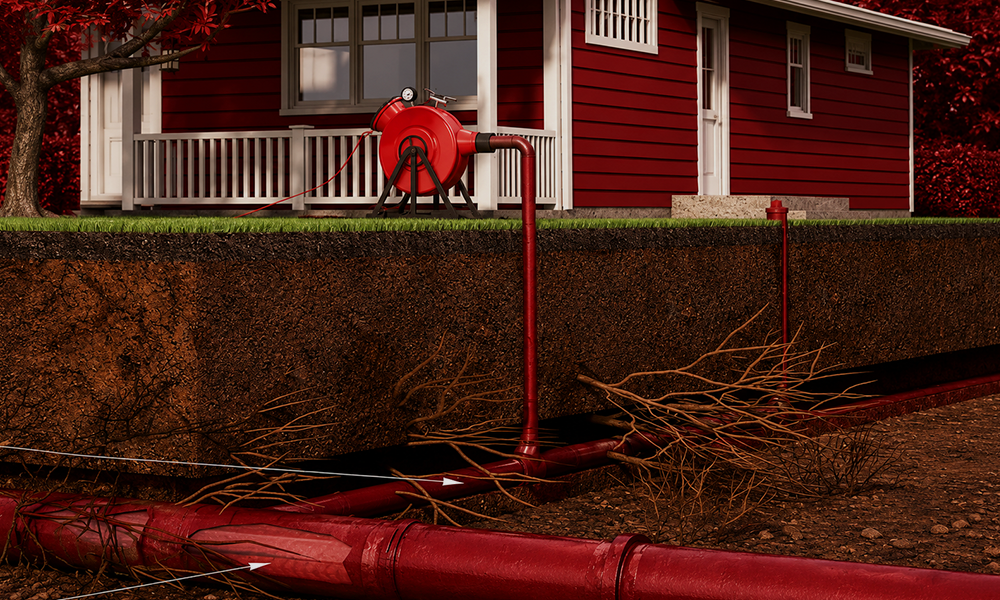
Roots naturally seek moisture and often enter tiny cracks in underground pipes. Over time, they expand and block wastewater flow.
Aging Pipes
Older clay, cast iron, and Orangeburg pipes become more vulnerable to corrosion and cracking with age.
Ground Movement
Heavy rainfall, earthquakes, or shifting soil can place pressure on buried sewer pipes.
Grease and Debris
Cooking grease, wipes, and other non-flushable materials gradually create stubborn blockages.
Poor Installation
Improper pipe alignment or low-quality materials increase the likelihood of premature failure.
Heavy Surface Loads
Vehicles parked above underground sewer lines can sometimes damage aging pipes.
Sewer Line Repair Methods Explained
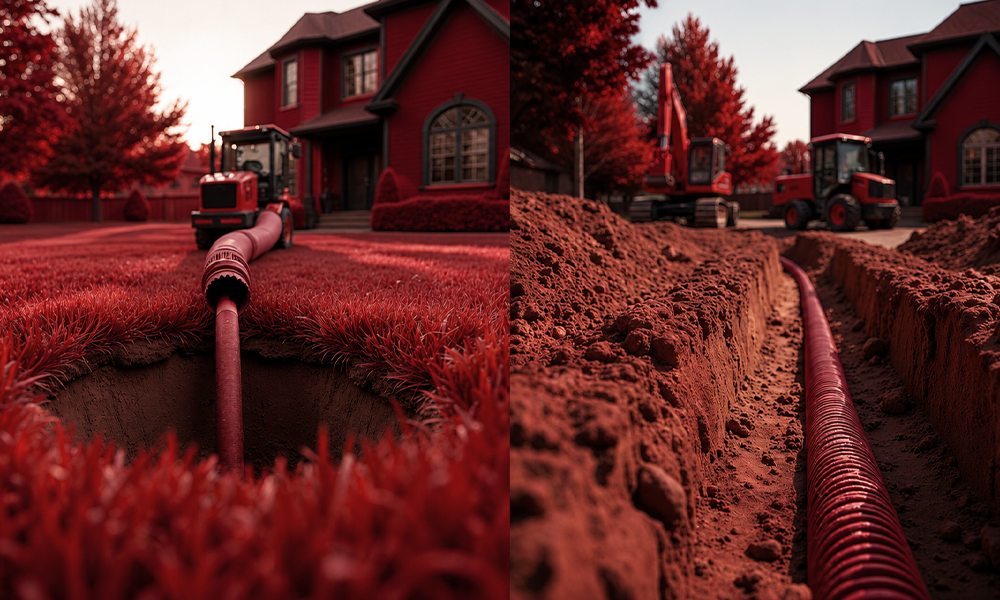
Not every repair requires digging up your entire yard. Modern plumbing offers several solutions depending on the condition of the pipe.
Spot Repair
How It Works
Only the damaged section of pipe is excavated and replaced.
Best for
- Small cracks
- Localized damage
- Short pipe sections
Advantages
- Lower repair cost
- Faster completion
- Minimal disruption
Limitations
It won’t solve widespread deterioration throughout the sewer system.
Pipe Lining (CIPP)
Pipe lining creates a new pipe inside the old one using a resin-coated liner.
Best for
- Minor cracks
- Root intrusion
- Small leaks
Advantages
- No major excavation
- Long lifespan
- Minimal landscape damage
Limitations
Not suitable if the original pipe has completely collapsed.
Pipe Bursting
Instead of repairing the old pipe, pipe bursting breaks it apart while pulling a new pipe into place.
Best for
- Severely damaged pipes
- Full pipe replacement without large trenches
Advantages
- Durable replacement
- Less yard disruption than traditional excavation
Limitations
Requires adequate access points and isn’t suitable for every property.
Traditional Excavation
This method involves digging a trench to access the damaged sewer line directly.
Best for
- Collapsed pipes
- Extensive structural damage
- Complex repairs
Advantages
- Complete visibility during repairs
- Suitable for nearly every situation
Limitations
- Higher labor costs
- Landscape restoration required
- Longer project timeline
Trenchless Sewer Repair vs. Traditional Repair
Choosing the right repair method depends on the condition of your sewer line, your budget, and how much disruption you’re willing to accept.
| Feature | Trenchless Sewer Repair | Traditional Excavation |
| Digging Required | Minimal | Extensive |
| Average Project Time | 1–2 days | 2–5 days |
| Landscape Damage | Very low | High |
| Best For | Cracks, leaks, root intrusion | Collapsed or severely damaged pipes |
| Long-Term Durability | 50+ years (depending on method) | 50+ years with new piping |
| Cost | Higher upfront, lower restoration costs | Lower repair cost but higher restoration expenses |
Which Option Is Better?
If your existing pipe still has structural integrity, trenchless sewer repair is often the smarter choice because it preserves landscaping and shortens repair time.
However, if the pipe has collapsed or suffered widespread damage, traditional excavation remains the most reliable solution.
Sewer Line Repair Cost
One of the first questions homeowners ask is, “How much will this cost?”
The answer depends on the repair method, pipe depth, accessibility, local labor rates, and the extent of the damage.
Average Sewer Line Repair Costs
| Repair Type | Typical Cost Range |
| Camera Inspection | $150–$500 |
| Spot Repair | $500–$3,000 |
| Pipe Lining | $2,000–$6,000 |
| Pipe Bursting | $3,500–$8,000 |
| Traditional Excavation | $2,500–$10,000+ |
| Full Sewer Line Replacement | $3,000–$15,000+ |
These figures are general estimates. The final price can vary significantly based on your property’s location and the complexity of the project.
Factors That Affect Repair Costs
Several variables influence the total cost of a sewer line repair.
Pipe Depth
The deeper the pipe, the more excavation and labor are required.
Extent of the Damage
A small crack is much less expensive to repair than multiple collapsed sections.
Repair Method
Trenchless techniques often have higher upfront costs but reduce expenses related to restoring landscaping, driveways, or sidewalks.
Pipe Material
Repairing older clay or cast-iron pipes may require specialized equipment or additional work.
Permits and Inspections
Some municipalities require permits and inspections before repairs can begin, increasing the overall project cost.
Sewer Line Repair vs. Replacement
Many homeowners struggle to decide whether repairing or replacing the sewer line is the better investment.
The decision should be based on the pipe’s overall condition, not just the immediate repair cost.
| Repair the Sewer Line If… | Replace the Sewer Line If… |
| Damage is isolated | Multiple sections are damaged |
| Pipe is structurally sound | Pipe has collapsed |
| Minor root intrusion exists | Severe root damage has occurred repeatedly |
| Repair costs are reasonable | Repairs would approach replacement costs |
| Pipe still has many years of service life | Pipe has reached the end of its lifespan |
A professional sewer camera inspection provides the information needed to make the right decision instead of relying on guesswork.
How the Sewer Line Repair Process Works
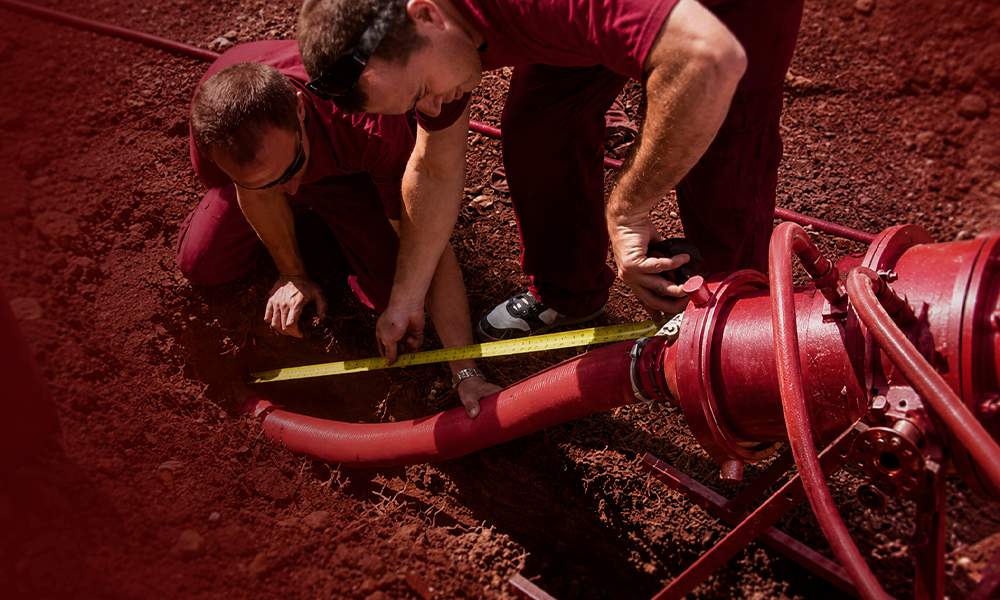
Knowing what to expect can make the repair process much less stressful.
Step 1: Schedule an Inspection
A licensed plumber begins by evaluating your plumbing symptoms and locating the problem.
Step 2: Perform a Camera Inspection
A waterproof camera is inserted into the sewer line to identify cracks, blockages, root intrusion, or collapsed sections.
Step 3: Choose the Best Repair Method
Based on the inspection results, the contractor recommends spot repair, pipe lining, pipe bursting, or excavation.
Step 4: Receive a Detailed Estimate
Before any work begins, request a written estimate that includes labor, materials, permits, cleanup, and warranty information.
Step 5: Complete the Repair
The repair itself may take anywhere from a few hours to several days, depending on the method used.
Step 6: Final Testing
After repairs are complete, another camera inspection is often performed to verify that wastewater flows properly and the problem has been resolved.
Homeowner Preparation Checklist
Before the crew arrives:
- Clear access to sewer cleanouts.
- Move vehicles away from the work area.
- Remove outdoor furniture or decorations near excavation zones.
- Keep pets and children away from the work site.
- Ask about temporary water-use restrictions during the repair.
These simple steps help the project proceed more efficiently and safely.
How to Prevent Future Sewer Line Problems
While no sewer system lasts forever, regular maintenance can significantly reduce the risk of unexpected repairs and extend the life of your pipes.
Schedule Regular Sewer Inspections
A professional sewer inspection every few years can identify small cracks, root intrusion, or developing blockages before they become major problems.
Be Careful What Goes Down the Drain
Avoid flushing items that don’t break down easily, including:
- Wet wipes
- Paper towels
- Feminine hygiene products
- Cotton swabs
- Grease and cooking oil
These materials can accumulate inside the sewer line and eventually cause serious blockages.
Manage Tree Roots
Large trees planted near underground sewer lines are a common cause of pipe damage.
If you have mature trees on your property, ask your plumber whether periodic root removal or preventive maintenance is appropriate.
Use Hydro Jetting When Needed
For older plumbing systems or homes with recurring buildup, hydro jetting sewer line services can remove grease, sludge, and debris before they create major obstructions.
Address Small Problems Quickly
A slow drain today could become a costly repair next month.
If multiple plumbing fixtures begin showing the same symptoms, don’t wait until sewage backs up into your home.
Common Sewer Line Repair Mistakes Homeowners Make
Many expensive repairs could have been avoided if the problem had been addressed earlier.
Here are some of the most common mistakes homeowners make.
Waiting Too Long
Ignoring warning signs often allows minor damage to develop into collapsed pipes or severe backups.
Choosing the Lowest Quote
The cheapest estimate isn’t always the best value.
Poor workmanship can lead to repeat repairs that cost far more in the long run.
Skipping a Camera Inspection
Without seeing the inside of the pipe, it’s impossible to know the exact cause of the problem.
Always request a camera inspection before approving major repairs.
Attempting Major DIY Repairs
Simple drain maintenance may be manageable, but underground sewer pipe repair requires specialized equipment and expertise.
Improper repairs can create larger structural issues and increase repair costs.
Ignoring Maintenance After Repairs
Repairing a sewer line doesn’t eliminate future risks.
Routine inspections and good plumbing habits help protect your investment.
Questions to Ask Before Hiring a Sewer Repair Contractor
Choosing the right contractor is just as important as choosing the right repair method.
Before signing a contract, ask these questions:
- Are you licensed and insured?
- Will you perform a sewer camera inspection first?
- Which repair method do you recommend, and why?
- Do you offer trenchless repair options?
- Is the estimate written and itemized?
- What warranty is included?
- How long will the repair take?
- Will permits be required?
- Who restores landscaping if excavation is necessary?
A reputable contractor should answer these questions clearly and provide documentation when requested.
Does Homeowners Insurance Cover Sewer Line Repair?
Insurance coverage is one of the most misunderstood aspects of sewer line repair.
In many cases, a standard homeowners insurance policy does not cover damage caused by normal wear and tear, aging pipes, or poor maintenance.
However, coverage may be available if the damage results from a sudden covered event, such as certain types of accidental damage. Some insurers also offer optional service line coverage or sewer backup endorsements that help pay for repairs or cleanup.
Because policies vary, review your insurance documents carefully and speak with your provider before assuming a repair will be covered.
Conclusion
That unpleasant odor or slow drain that seemed like a minor inconvenience at the beginning of this guide can quickly become a much larger problem if ignored.
Fortunately, understanding the warning signs, repair methods, and costs puts you in a much stronger position to act before serious damage occurs.
Whether your home needs a simple spot repair, modern trenchless technology, or a complete sewer line replacement, making decisions based on a professional inspection, not guesswork, will save both time and money.
Most importantly, don’t wait until a minor plumbing issue turns into an emergency. Regular inspections, proper maintenance, and choosing a qualified contractor are the best ways to protect your home and avoid unexpected repair bills.
Frequently Asked Questions
What is the average cost of sewer line repair?
The cost of sewer line repair varies depending on the repair method, pipe depth, and extent of the damage. Minor spot repairs may cost a few hundred dollars, while trenchless repairs or full replacements can cost several thousand dollars. A professional inspection is the best way to obtain an accurate estimate.
Can a sewer line be repaired without digging?
Yes. Modern trenchless methods such as pipe lining and pipe bursting allow many sewer lines to be repaired with minimal excavation. However, these methods aren’t suitable if the pipe has completely collapsed or suffered extensive structural damage.
How long does sewer line repair take?
Most repairs are completed within one to three days. Small spot repairs may be finished in a single day, while larger excavation or replacement projects can take several days depending on site conditions and permitting requirements.
Should I repair or replace my sewer line?
If the damage is isolated and the remaining pipe is in good condition, repairing the sewer line is usually the more cost-effective solution. Replacement is generally recommended for collapsed pipes, widespread deterioration, or systems nearing the end of their service life.
Does homeowners insurance cover sewer line repair?
Standard homeowners insurance often excludes damage caused by aging, corrosion, or lack of maintenance. Some policies provide coverage for sudden accidental damage or offer optional service line endorsements, so it’s important to review your specific policy.
How long does trenchless sewer repair last?
When installed correctly, trenchless repairs such as cured-in-place pipe (CIPP) lining or pipe bursting can last 50 years or more. The exact lifespan depends on the repair method, pipe material, installation quality, and ongoing maintenance.